Honey Guide
Beyond their well-known interactions with humans and bees, honeyguide birds (family Indicatoridae) engage with several other animals through distinct…
What other animals do honeyguide birds interact with besides humans and bees?
Beyond their well-known interactions with humans and bees, honeyguide birds (family Indicatoridae) engage with several other animals through distinct ecological relationships:
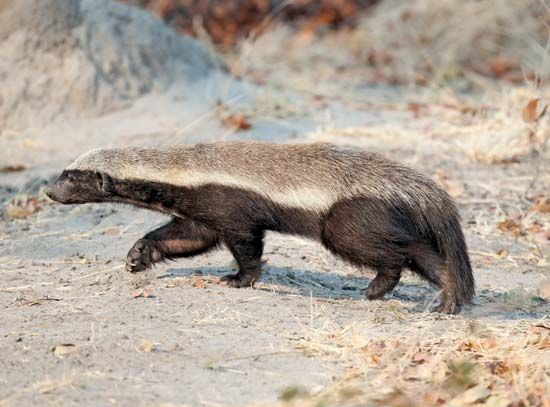
- Ratel (Honey Badger): Certain species, such as the greater honeyguide, exhibit a unique guiding behavior toward the ratel. The bird leads the mammal to a bees’ nest, and after the ratel breaks it open to feed on honey, the bird consumes the remaining wax and larvae.1
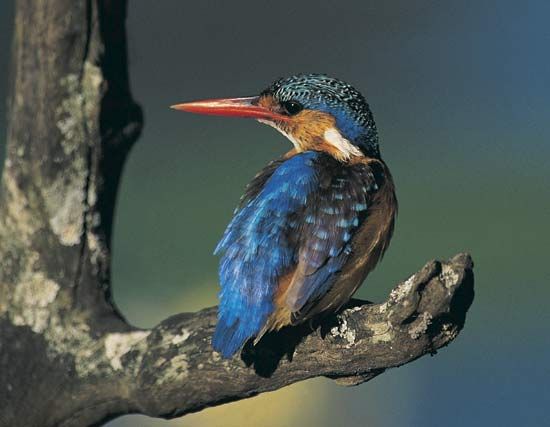
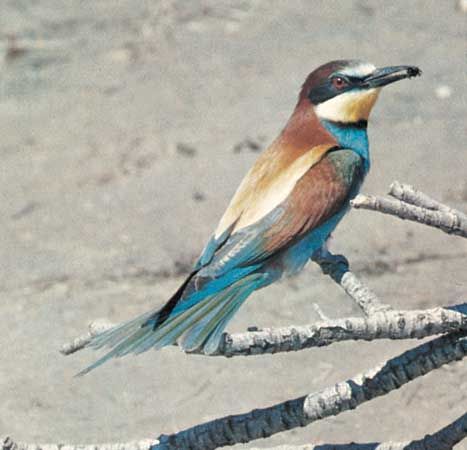
- Host Birds: Honeyguides are brood parasites, meaning they lay their eggs in the nests of other birds. They frequently target hole-nesting species, including barbets, woodpeckers, kingfishers, bee-eaters, hoopoes, and wood hoopoes. The honeyguide hatchling often kills or injures the host’s young to ensure its own survival.12
While other birds like bee-eaters and hornbills interact with mammals like zebras or monkeys to forage for insects, these behaviors are not characteristic of the honeyguide family.2
How does the honeyguide bird get its name, and what is its relationship with honey?
The honeyguide bird derives its name from the distinctive behavior of certain African species, specifically the greater honeyguide and the scaly-throated honeyguide. These birds lead humans or ratels (honey badgers) to bees’ nests by flying ahead and using persistent chattering to guide them to the location.1
Regarding their relationship with honey, the birds do not actually consume the honey itself. Instead, they rely on the larger animal to break open the nest. Once the nest is exposed, the honeyguide feeds on the wax and the bee larvae inside. Notably, the honeyguide is the only vertebrate known to digest wax. While these two species are famous for this guiding behavior, other members of the family Indicatoridae do not exhibit this trait and feed primarily on bees and wasps.1
What role do honeyguide birds play in their ecosystem?
Honeyguide birds (family Indicatoridae) play several distinct roles within their ecosystems, primarily as specialized foragers and as agents of brood parasitism.
- Ecological Foraging: Certain species, such as the greater honeyguide, act as mutualistic partners by leading humans and ratels to bees’ nests. By facilitating the opening of these nests, the birds gain access to wax and larvae, serving as the only known vertebrate capable of digesting wax. This interaction provides a significant food source for the bird while assisting other species in locating honey.1
- Brood Parasitism: Honeyguides are obligate social parasites. They lay their eggs in the nests of other birds, such as barbets, woodpeckers, kingfishers, bee-eaters, and hoopoes. The honeyguide hatchling often kills or displaces the host’s offspring, which can significantly impact the population status of these host species.12
Through these behaviors, honeyguides influence both the foraging success of mammals and the reproductive success of various hole-nesting bird populations.12
What are the unique characteristics of the honeyguide bird?
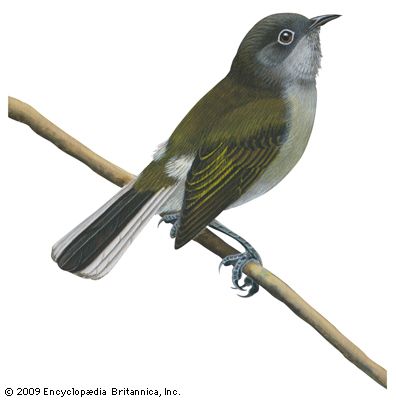
The honeyguide (family Indicatoridae) is a group of about 17 species of small, plainly colored, nonpasserine birds known for several unique biological and behavioral characteristics:
- Wax Consumption: Honeyguides are the only known vertebrates capable of digesting beeswax. They possess tough skin, which serves as a protective adaptation against bee stings while they feed on wax and larvae.12
- Guiding Behavior: Certain African species, such as the greater honeyguide and the scaly-throated honeyguide, exhibit a remarkable mutualistic behavior. They lead humans or ratels (honey badgers) to bees’ nests through persistent chattering and flying ahead. Once the larger animal breaks open the nest to access the honey, the bird consumes the remaining wax and larvae.1
- Brood Parasitism: Many honeyguides are obligate social parasites, meaning they lay their eggs in the nests of other birds, typically hole-nesters like woodpeckers or barbets. The hatchlings are equipped with temporary bill hooks used to kill or injure the host’s young to ensure their own survival.13
- Morphological Traits: These birds are related to woodpeckers and share certain piciform traits. Some species, like the lyre-tailed honeyguide, possess a distinctive graduated long tail, and most honeyguides have only nine primary wing feathers.2
Sources
- Honey guide — Encyclopædia Britannica
- Coraciiform - Relationships with other species — Encyclopædia Britannica
- honeyguide — Merriam-Webster
- Piciform - Form and function — Encyclopædia Britannica
Published on · 3 min read