Coraciiform
The order Coraciiformes exhibits a global distribution, though its diversity is heavily concentrated in the Old World, particularly in the Ethiopian-Indian…
How are coraciiform birds distributed geographically around the world?
The order Coraciiformes exhibits a global distribution, though its diversity is heavily concentrated in the Old World, particularly in the Ethiopian-Indian region, which is considered the likely area of origin.1
- Africa and Madagascar: This region holds the greatest diversity, with eight of the 10 families represented. Madagascar is notable for its endemic families, such as the ground rollers and cuckoo rollers.21
- Eurasia: Four families are found in temperate Eurasia, occupying niches such as ground feeding, perch-darting, and aerial hawking. The hoopoe is the most widespread single species, reaching as far as Malaysia.21
- Australia: Coraciiform presence is more limited here, with families occupying only two primary ecological niches.2
- The New World: Only three families are present. Their distribution is restricted compared to the Old World, likely due to competition from established piciform and passeriform birds. The todies are limited to the Greater Antilles, while kingfishers and motmots are found in the Americas.21
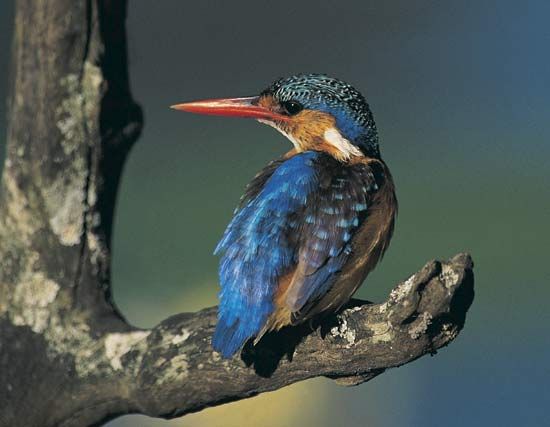
How do coraciiform birds build their nests and care for their young?
Coraciiform birds exhibit specialized nesting and parental care behaviors, characterized primarily by their use of cavities and a high degree of parental investment.
Nesting Habits
Coraciiforms are cavity nesters, typically utilizing holes or crevices in trees, walls, or banks. Some species, such as certain bee-eaters, excavate tunnels in the ground or in termite mounds. Unlike many other bird groups, coraciiforms generally add little or no nesting material to these cavities.53
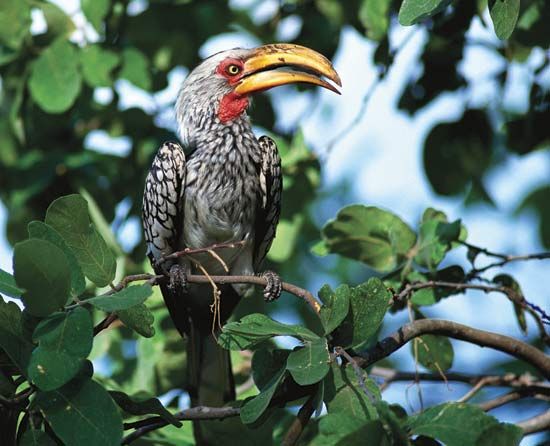
A notable exception is the hornbill, which practices a unique behavioral modification: the female seals herself inside the nest cavity using mud and debris provided by the male, leaving only a small slit for food delivery. She remains walled in throughout the incubation and much of the nestling period.56
Parental Care
Parental duties are typically shared between both sexes, though specific roles vary:
- Incubation: In most groups, such as kingfishers, todies, motmots, and bee-eaters, both parents participate in incubation. In contrast, the female hoopoe and female hornbills perform incubation alone while being fed by the male.5
- Feeding the Young: The young are nidicolous, meaning they are dependent on their parents and are born naked (with the exception of hoopoes and some kingfishers, which have some down). Parents feed the young by bringing food to the nest; in the case of walled-in hornbills, the male passes food through the slit to the female, who then feeds the offspring.5
- Nest Sanitation: Practices vary; many coraciiforms do not clean their nests, allowing remains to accumulate, while hornbills generally keep their nests clean.5
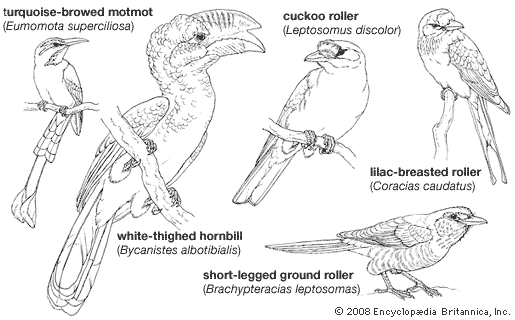
How have coraciiform birds been represented in different cultures and mythologies?
Coraciiform birds have held various roles in human culture and mythology, often tied to their striking appearance or distinct behaviors.
- Classical Mythology: The kingfisher is famously linked to ancient Greek myth. According to legend, Ceyx and his wife, Alcyone, were shipwrecked at Delphi and subsequently transformed into kingfishers.
- Artistic and Decorative Use: In China, the vibrant, shining blue feathers of certain kingfisher species were historically prized and utilized to decorate picture screens.
- Cultural Associations: The kookaburra, native to Australia, is culturally iconic due to its loud, laughing, or braying vocalizations, which have become a signature sound associated with the Australian outback.
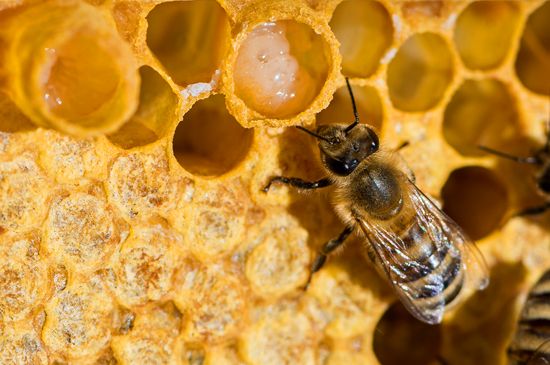
While these birds have been admired for their beauty and featured in folklore, they have also been viewed through a more practical lens; for instance, bee-eaters have been historically perceived as pests for preying on honeybees, and kingfishers are sometimes considered a nuisance at fish hatcheries for consuming young game fish.
How do coraciiform birds contribute to their ecosystems?
Coraciiform birds play diverse and significant roles in their ecosystems, primarily through their feeding habits, nesting behaviors, and symbiotic relationships with other species.
Ecological Contributions
- Pest Control and Foraging: Many coraciiforms, such as bee-eaters and rollers, act as important predators of insects. They often congregate around grass fires to capture insects fleeing the smoke, and some species follow large game animals or vehicles to feed on insects stirred up from the grass.3
- Seed Dispersal: Fruit-eating species, particularly hornbills, are vital agents of seed dispersal. By consuming fleshy fruits and later excreting or regurgitating the seeds, they facilitate the spread and regeneration of various plant species across their habitats.14
- Microhabitat Creation: Hornbill nests provide unique microhabitats for specialized insect communities. Scavenging larvae found within these nests feed on debris, which may help maintain a clean environment within the cavity, potentially benefiting the birds.3
Symbiotic and Interspecific Relationships
Coraciiforms frequently engage in complex interactions with other animals:
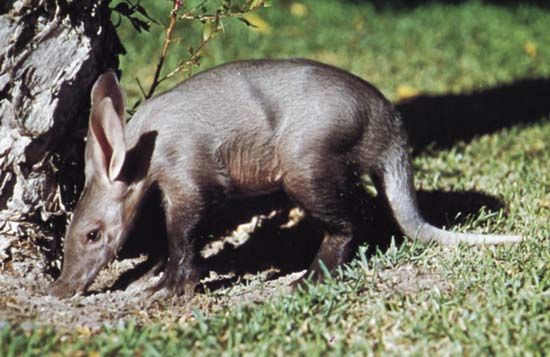
- Nesting Associations: Some species, such as certain kingfishers, rely on arboreal termite mounds for nesting, while others may nest in the abandoned burrows of mammals like the aardvark.3
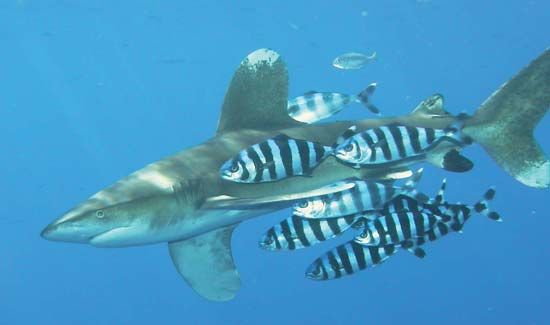
- Commensalism: Bee-eaters often use the backs of large birds, such as bustards, as perches to scan for prey, benefiting from the movement of the larger animal to flush out insects.3
- Parasitism: These birds are also part of the food web as hosts for honey guides, which are social parasites that lay eggs in the nests of coraciiforms, significantly impacting their reproductive success.3
Sources
- Coraciiform — Encyclopædia Britannica
- Coraciiform - Size and plumage — Encyclopædia Britannica
- Coraciiform - Habitat selection and ecological diversity — Encyclopædia Britannica
- Coraciiform - Evolution and paleontology — Encyclopædia Britannica
- Coraciiform - Life history — Encyclopædia Britannica
- Reproductive behaviour - Birds — Encyclopædia Britannica
- Bird - Nesting — Encyclopædia Britannica
- Animal social behavior - Social interactions involving the costs and benefits of parental care — Encyclopædia Britannica
- Nest — Encyclopædia Britannica
- Galliform - Care of the young — Encyclopædia Britannica
- Ciconiiform - Reproduction and nesting — Encyclopædia Britannica
- hoopoe — Merriam-Webster
- Coraciiform - Relationships with other species — Encyclopædia Britannica
- Hornbill — Encyclopædia Britannica
- Kingfisher — Encyclopædia Britannica
- Seed - Dispersal by birds — Encyclopædia Britannica
Published on · 4 min read