Horehound
Horehound (Marrubium vulgare), a bitter perennial herb belonging to the mint family, has a long history of use in traditional medicine. Its leaves and…
What are the traditional medicinal uses of horehound?
Horehound (Marrubium vulgare), a bitter perennial herb belonging to the mint family, has a long history of use in traditional medicine. Its leaves and flowering tops are primarily utilized in herbal remedies to help alleviate coughs and address minor pulmonary disturbances.1
These medicinal applications are typically administered through infusions or extracts prepared as syrups, teas, or lozenges. Beyond its therapeutic use, the plant is also commonly used as a flavoring agent for various candies and beverages. It is important to note that Black horehound (Ballota nigra), a related species with a distinct, unpleasant odor, is sometimes used to adulterate white horehound extracts.1
What are some common products that contain horehound as an ingredient?
Horehound (Marrubium vulgare) is primarily used as a flavoring agent and a component in various herbal preparations. Common products that contain the plant include:
- Candies: Horehound is a traditional flavoring for hard candies and confections.12
- Beverages: The leaves and flowering tops are used to flavor various drinks.1
- Syrups: Extracts are frequently formulated into syrups, often intended for use as cough remedies.1
- Teas: Infusions made from the dried leaves and flowering tops are consumed as herbal teas.1
- Lozenges: The herb is a common ingredient in medicinal lozenges designed to soothe coughs and minor pulmonary disturbances.1
What is horehound and what plant family does it belong to?
Horehound (Marrubium vulgare) is a bitter perennial herb that belongs to the mint family (Lamiaceae).13
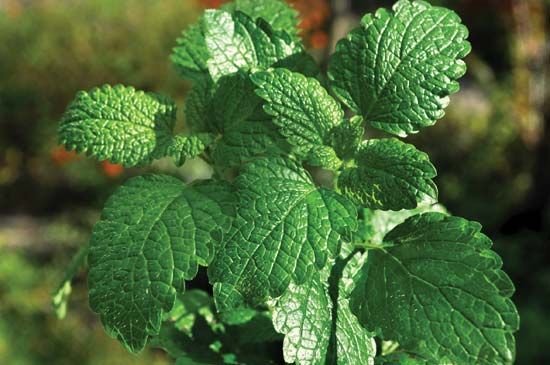
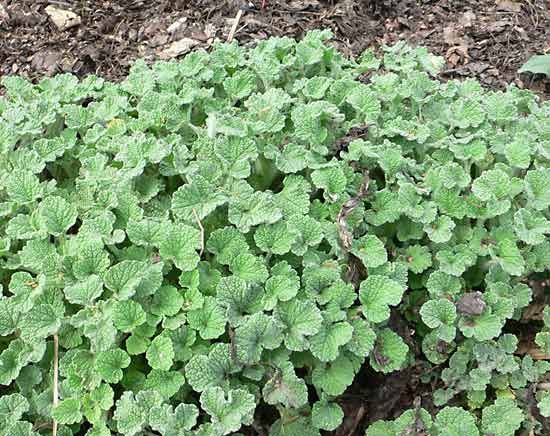
Native to Europe, North Africa, and Central Asia, the plant is characterized by its coarse, strongly aromatic nature and square stems, which are typical features of the Lamiaceae family. It typically grows less than 1 meter (3 feet) tall and features blunt-toothed, wrinkled leaves that are woolly white on the underside.143
In addition to its botanical classification, horehound is well-known for its use in herbal medicine, where its leaves and flowering tops are used to create syrups, teas, and lozenges to help soothe coughs and minor pulmonary disturbances. It is also commonly utilized as a flavoring agent for various candies and beverages.13
How does horehound differ from other herbs in the mint family?
While horehound (Marrubium vulgare) shares the defining characteristics of the mint family—such as square stems, opposite leaves, and aromatic properties—it is distinguished by its unique physical appearance and specific medicinal profile.153
Unlike many other popular members of the family, such as peppermint or basil, which are often prized for their pleasant, ethereal essential oils used in culinary and perfumery applications, horehound is notably bitter. Physically, it is a coarse, drought-tolerant plant with blunt-toothed, wrinkled leaves that are distinctively woolly white on the underside, a feature that sets it apart from the smoother or differently textured foliage of many other mints.13
Furthermore, while many Lamiaceae members are cultivated for their fragrant oils, horehound is primarily utilized for its medicinal properties in treating coughs and pulmonary disturbances. It is also distinct from its relative, black horehound (Ballota nigra), which has a fetid odor and purplish flowers, lacking the characteristic woolly white appearance of the white horehound.13
Sources
- Horehound — Encyclopædia Britannica
- horehound — Merriam-Webster
- list of plants in the family Lamiaceae — Encyclopædia Britannica
- Lamiales - Lamiaceae — Encyclopædia Britannica
- Lamiales - Main families — Encyclopædia Britannica
Published on · 2 min read