Horned Toad
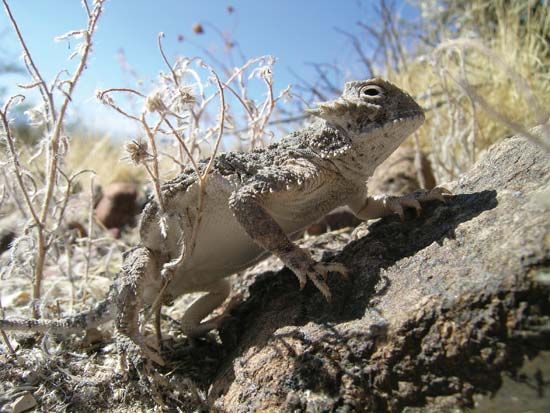
Horned toads are not actually toads; they are lizards belonging to the genus Phrynosoma and the family Iguanidae.
Are horned toads actually toads, and if not, why are they called that?
Horned toads are not actually toads; they are lizards belonging to the genus Phrynosoma and the family Iguanidae1.
They are called “horned toads” because of their physical appearance. These reptiles possess a flattened, oval-shaped body and hornlike spines on their heads, which give them a resemblance to toads. Despite this common name, they are distinct from amphibians, as they are characterized by their scaly skin and specific defense mechanisms, such as the ability to inflate their bodies or, in rare cases, spurt blood from their eyes.12
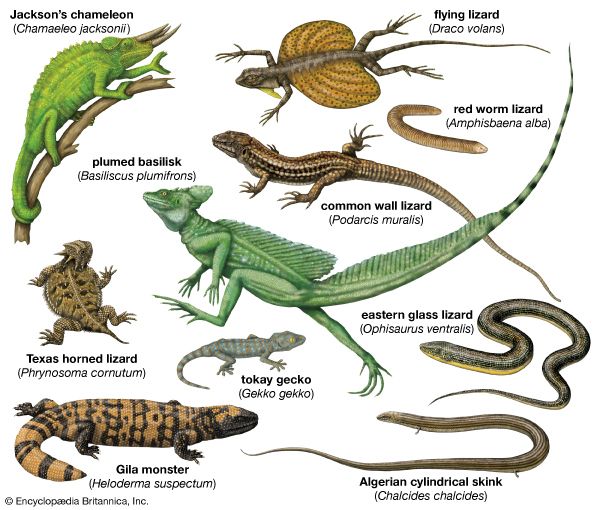
What are the defining physical characteristics of horned toads?
Horned toads (genus Phrynosoma) are characterized by several distinct physical features that aid in their survival, particularly in desert environments. Their defining characteristics include:
- Head Spines: They possess prominent, daggerlike spines on their heads, which resemble horns.1
- Body Shape: These lizards have a flattened, oval-shaped body.1
- Scales: They feature pointed fringe scales along the sides of their bodies.1
- Tail: They have a relatively short tail.1
- Size: Depending on the species, they typically range in length from less than 7.5 cm to more than 12.5 cm (3 to 5 inches).1
Beyond these structural traits, their skin is reinforced by reptilian scales, which help prevent water loss. They also utilize chromatophores in their dermis to change their color pattern, allowing them to blend into their sandy habitats for concealment.13
What are the different species of horned toads and how do they differ?
There are approximately 14 species of horned toads within the genus Phrynosoma. While these species share common physical traits—such as their flattened, oval-shaped bodies, daggerlike head spines, and short tails—the provided search results do not contain specific details regarding the individual differences between these species.1
It is important to note that while these lizards are grouped together in the genus Phrynosoma, they exhibit variation in their reproductive strategies, as the group includes both egg-laying and live-bearing species. Beyond these general biological classifications, the available data does not provide a breakdown of the specific distinctions between each of the 14 species.1
What is the diet of horned toads and how do they hunt?
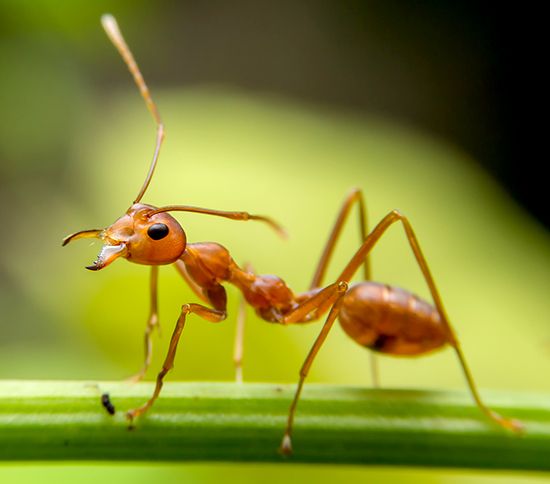
Horned toads (genus Phrynosoma) are highly specialized predators that rely almost exclusively on ants for their nutrition. Because of this narrow dietary requirement, they often struggle to survive in captivity, where they may slowly starve if their specific food source is not provided.1
Regarding their hunting behavior, these lizards are primarily sit-and-wait predators. They utilize their natural camouflage and their ability to change color patterns to blend into their sandy, desert environments. To further conceal themselves, they often wriggle sideways into the sand until their entire body is buried, leaving only their head exposed to monitor for passing prey. This strategy allows them to remain undetected by both predators and their insect prey until they are ready to strike.1
Sources
- horned toad — Encyclopædia Britannica
- horned toad — Merriam-Webster
- Phrynosoma — Merriam-Webster
- Integument - Reptiles — Encyclopædia Britannica
- reptile - Body form and posturing — Encyclopædia Britannica
- phyllosoma — Merriam-Webster
Published on · 2 min read