How Do Frogs Breathe?
Frogs utilize an adaptable respiratory system that changes throughout their life cycle and varies by species and environment.
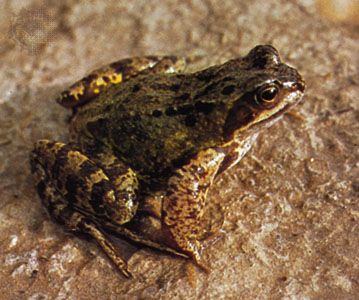
How do frogs breathe?
Frogs utilize an adaptable respiratory system that changes throughout their life cycle and varies by species and environment.12
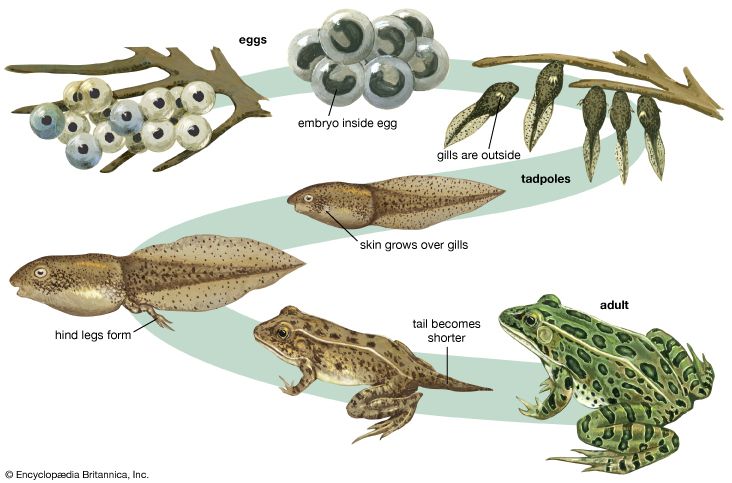
- Larval Stage: As tadpoles, frogs primarily use gills and their tail fins to absorb oxygen from water.12
- Adult Stage: Upon metamorphosis, most frogs develop simple, saclike lungs. They inflate these lungs using a buccal pumping mechanism, where they draw air into the mouth and push it into the lungs by elevating the mouth floor.12
- Cutaneous Respiration: Frogs also breathe through their thin, moist, and vascularized skin. This process is vital for absorbing oxygen and eliminating carbon dioxide, especially when the frog is submerged or hibernating.12
While most adult frogs use both lungs and skin, the reliance on each varies; aquatic species often depend more on their skin, whereas terrestrial species rely more on their lungs. Notably, some rare species are entirely lungless and rely solely on cutaneous respiration.123
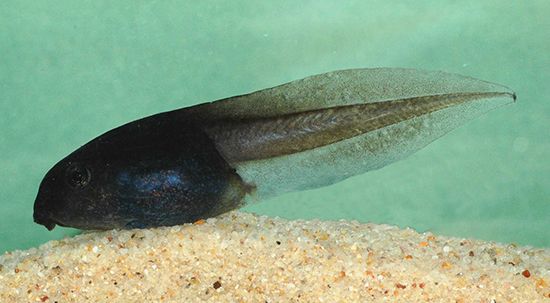
How do tadpoles breathe differently than adult frogs?
Tadpoles and adult frogs utilize different respiratory mechanisms as they transition through their life cycle to adapt to their environments.1
Tadpole Respiration As aquatic larvae, tadpoles rely primarily on gills to extract oxygen from water. Additionally, their large tail fins are highly vascularized, serving as significant respiratory structures that facilitate gas exchange through their large surface area.13
Adult Frog Respiration During metamorphosis, these larval structures degenerate as the frog develops simple, saclike lungs. Adults use a buccal pumping mechanism to breathe, where they draw air into the mouth and elevate the mouth floor to force it into the lungs.13
Furthermore, both tadpoles and adults utilize cutaneous respiration, absorbing oxygen and eliminating carbon dioxide directly through their thin, moist skin. This skin-based breathing remains a vital, ongoing process for adult frogs, especially when they are submerged or hibernating.13
What are some examples of lungless amphibians?
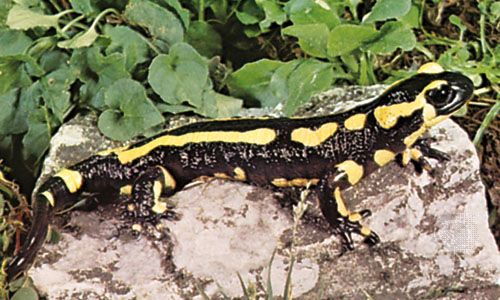
The primary group of lungless amphibians is the family Plethodontidae, which consists of more than 370 species of lungless salamanders. These animals lack lungs entirely and rely exclusively on cutaneous respiration, absorbing oxygen through their moist skin and the mucous membranes of their mouths and throats.43
Examples of lungless salamanders include:
- Mexican pygmy salamander (Thorius): A small species with a head and body length of approximately 25 mm (1 inch).4
- Bell’s false brook salamander (Pseudoeurycea bellii): A much larger species that can reach up to 36 cm (14 inches) in length.4
- Red Hills salamander (P. hubrichti): A terrestrial species found in eastern North America.4
- Black-bellied salamander (D. quadramaculatus): An aquatic species also native to eastern North America.4
- Web-toed salamanders (Hydromantes): Species that inhabit rock crevices in desertlike environments in Europe, California, and Baja California.4
Because they lack lungs, these salamanders must keep their skin moist at all times to facilitate gas exchange. While most amphibians begin life with gills and later develop lungs, plethodontids lose their gills during metamorphosis but never develop lungs, remaining dependent on skin-based breathing throughout their adult lives.43
Why is moist skin essential for a frog’s survival?
Moist skin is essential for a frog’s survival primarily because it serves as a vital respiratory surface, a process known as cutaneous respiration.11
Because a frog’s skin is thin and rich in blood vessels, it allows for the efficient diffusion of oxygen into the bloodstream and the elimination of carbon dioxide from the body. This mechanism is critical for several reasons:21
- Continuous Gas Exchange: Even as adults, frogs rely on their skin to supplement lung breathing. This is especially important when they are submerged in water or during hibernation, when they may rely entirely on their skin to absorb oxygen from the environment.21
- Carbon Dioxide Elimination: The skin acts as a major route for the removal of carbon dioxide, which is a necessary byproduct of the frog’s metabolism.21
- Environmental Adaptability: The ability to breathe through the skin allows frogs to thrive in diverse habitats, ranging from fully aquatic environments to terrestrial ones.2
To maintain this function, the skin must remain moist, as the diffusion of gases cannot occur effectively across dry surfaces. While some species have evolved to conserve water by secreting substances that make their skin more impermeable during dry periods, the fundamental reliance on skin for respiration remains a defining characteristic of the amphibian group.2173
Sources
- How do frogs breathe? — Encyclopædia Britannica
- amphibian - Common features — Encyclopædia Britannica
- Respiratory system - Amphibians — Encyclopædia Britannica
- lungless salamander — Encyclopædia Britannica
- amphibian - Reproduction — Encyclopædia Britannica
- amphibian - Evolution and classification — Encyclopædia Britannica
- frog and toad - Structural modifications — Encyclopædia Britannica
Published on · 4 min read