What’s the Difference Between a Frog and a Toad?
It is a common misconception that frogs and toads are distinct, immutable categories. In reality, both are tailless amphibians belonging to the order Anura…
What’s the Difference Between a Frog and a Toad?
It is a common misconception that frogs and toads are distinct, immutable categories. In reality, both are tailless amphibians belonging to the order Anura, and taxonomically, all toads are considered a type of frog.1
While the labels are often used interchangeably, people typically distinguish them based on these superficial characteristics:
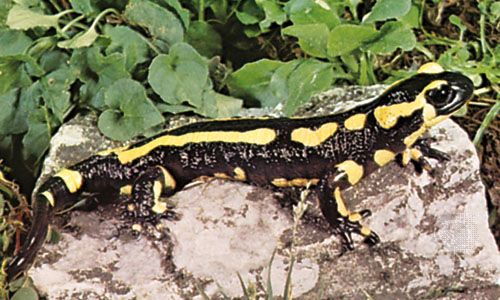
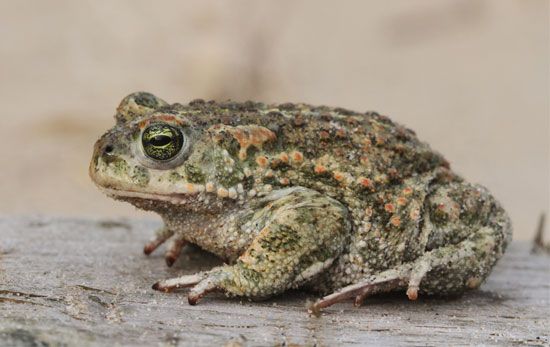
- Skin: Frogs generally have smooth, moist skin, whereas toads tend to have dry, rough, and bumpy skin. Although the bumps on a toad may look like warts, they are not infectious.12
- Habitat: Frogs are often found near water to keep their skin moist. Toads are better at retaining moisture and are more frequently found away from ponds or streams.1
- Legs: Frogs typically have long, powerful hind legs adapted for leaping and swimming. Toads often have shorter hind legs, resulting in a squat appearance and a movement style characterized by small hops or walking.12
Because these traits vary widely across different species, there is no surefire way to tell them apart, and the terms remain largely informal descriptors.1
What is the process of metamorphosis in amphibians?
Metamorphosis in amphibians is a complex biological process controlled by hormones that facilitates a transition from an aquatic larval stage to a terrestrial or semiaquatic adult form. While salamanders and caecilians undergo structural changes, the transformation is most dramatic in anurans (frogs and toads).4
Key physiological and structural modifications include:
- Respiration and Circulation: Gills and their associated blood circulation are resorbed as lungs develop and pulmonary ventilation begins.45
- Skeletal and Muscular Changes: Limbs develop, with forelimbs eventually breaking through the operculum. The tail is resorbed by the body, and the vertebral column and limb bones ossify.43
- Digestive System: The long, coiled larval intestine shortens to the folded, thick-walled intestine of an adult. Larval mouthparts are replaced by jaws and true teeth.43
- Sensory and Integumentary: Eyelids form, eyes enlarge, and mucous glands develop in the skin, which thickens to support life on land.43
- Excretory System: The kidney system shifts to produce concentrated urea rather than large volumes of dilute ammonia.4
How do frogs and toads protect themselves from predators?
Frogs and toads employ a variety of strategies to protect themselves from predators, ranging from physical camouflage to chemical defenses.
Camouflage and Behavioral Defense
Many species rely on blending into their environment to avoid detection. This is achieved through:
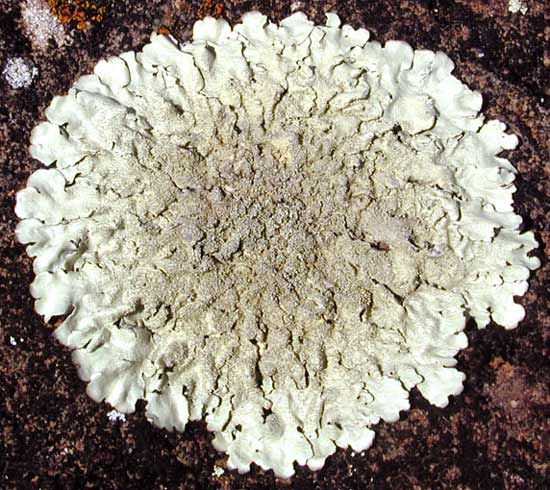
- Coloration and Texture: Many frogs and toads possess skin colors and patterns that mimic their surroundings, such as leaf litter or lichens, helping them remain hidden.6
- Structural Mimicry: Some species have evolved body shapes that resemble natural objects, such as the Malayan leaf frog, which mimics the texture of forest floor debris.7
- Flash Colors: When threatened, some frogs reveal bright, hidden colors on their flanks or thighs. These “flash colors” can startle or confuse a predator, providing the frog a chance to escape.6
- Posturing: Certain species, such as those with “eyespot” markings on their rump, may lower their heads and elevate their bodies to appear larger and more intimidating when approached.6
Chemical Defenses
All frogs and toads possess poison glands in their skin. While the potency varies, these secretions serve as a significant deterrent:8
- Warning Coloration: Highly toxic species, such as poison frogs, often display brilliant colors to warn predators of their toxicity.8
- Mimicry: Some non-poisonous species gain protection by mimicking the warning patterns of toxic frogs.8
- Toxin Composition: These secretions can range from local irritants to powerful neurotoxins, which discourage predators from consuming them.8
Structural Adaptations
Some species use physical modifications to survive or hide:
- Burrowing: Many toads and frogs use specialized spade-shaped organs on their feet to burrow into soil or mud, providing a safe refuge from predators and harsh environmental conditions.2
- Protective Casques: Certain arboreal frogs have evolved bony, helmet-like heads that allow them to plug holes in trees or plants, shielding their bodies from attack.27
What are some unique adaptations of tree-dwelling frogs?
Tree-dwelling (arboreal) frogs have evolved a variety of specialized adaptations that allow them to thrive in elevated environments, such as trees and shrubs.
Locomotion and Climbing
To navigate their vertical habitats, arboreal frogs possess several key structural features:
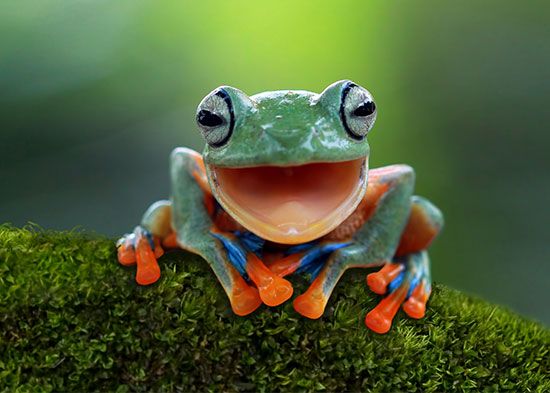
- Adhesive Disks: Many tree frogs, particularly those in the families Hylidae, Rhacophoridae, and Centrolenidae, have expanded, circular disks on the tips of their fingers and toes. These disks increase the contact area with surfaces, improving their ability to grasp branches and leaves.26
- Grasping Ability: Some highly specialized members of the hylid subfamily Phyllomedusinae have evolved opposable digits, allowing them to walk slowly and deliberately along branches, grasping them much like tiny primates.2
Survival and Water Conservation
Living in trees can expose frogs to desiccation, leading to unique survival strategies:
- Bony Casques: Certain arboreal frogs have evolved a bony, helmet-like structure on their heads. This “casque” is used to plug holes in trees or the constricted bases of epiphytic bromeliads, helping the frog retain moisture and survive dry periods.9
- Transparency: In the family Centrolenidae, the skin on the underside is remarkably thin and transparent, allowing the heart and internal organs to be visible.2
Reproductive Adaptations
Many tree frogs have adapted their reproductive cycles to their environment, often breeding away from large bodies of water:
- Bromeliad Breeding: Some species lay their eggs in the water pooled within the leaves of bromeliads high in the canopy.3
- Vegetation Deposition: Several arboreal species deposit their eggs on leaves or ferns overhanging streams or ponds. Upon hatching, the tadpoles drop directly into the water below to complete their development.3
Sources
- What’s the Difference Between a Frog and a Toad? — Encyclopædia Britannica
- frog and toad - Size range and diversity of structure — Encyclopædia Britannica
- frog and toad - From tadpole to adult — Encyclopædia Britannica
- amphibian - Metamorphosis — Encyclopædia Britannica
- tadpole — Encyclopædia Britannica
- frog and toad - Coloration — Encyclopædia Britannica
- frog and toad - Structural modifications — Encyclopædia Britannica
- frog and toad - Skin toxins — Encyclopædia Britannica
- Locomotion - Arboreal amphibians and reptiles — Encyclopædia Britannica
- frog and toad - Egg laying on land — Encyclopædia Britannica
- Vocalization — Encyclopædia Britannica
- vocal sac — Encyclopædia Britannica
- reptile - Clinging and climbing — Encyclopædia Britannica
Published on · 4 min read