How Do Sea Otters Stay Warm?
Unlike many other marine mammals, sea otters do not rely on a thick layer of blubber to stay warm. Instead, they survive in near-freezing waters through a…
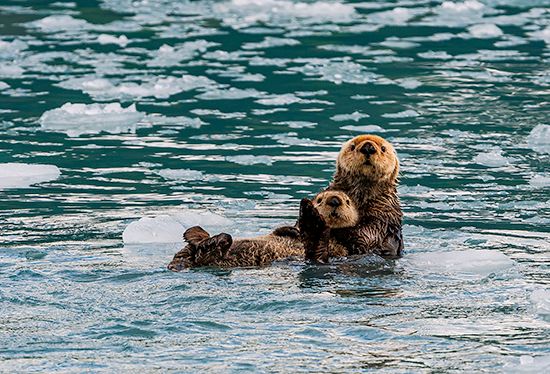
How do sea otters stay warm?
Unlike many other marine mammals, sea otters do not rely on a thick layer of blubber to stay warm. Instead, they survive in near-freezing waters through a combination of exceptionally dense fur and high metabolic heat production.1
- Superlative Fur: Sea otters possess the densest fur in the animal kingdom, with up to 1,000,000 hairs per square inch. Their coat consists of waterproof guard hairs that overlay like scales and fluffy underhairs that trap an insulating layer of air against the skin. Because water can compromise this insulation, otters spend nearly one-third of their day grooming to maintain the coat’s integrity.1
- Metabolic Heat: Sea otters maintain a metabolic rate roughly three times higher than that of similar-sized land mammals. They generate significant internal heat through a process called “thermogenic leak,” where mitochondria in muscle cells release heat directly. To fuel this high metabolism, they must consume approximately 25 percent of their body weight in food daily.1
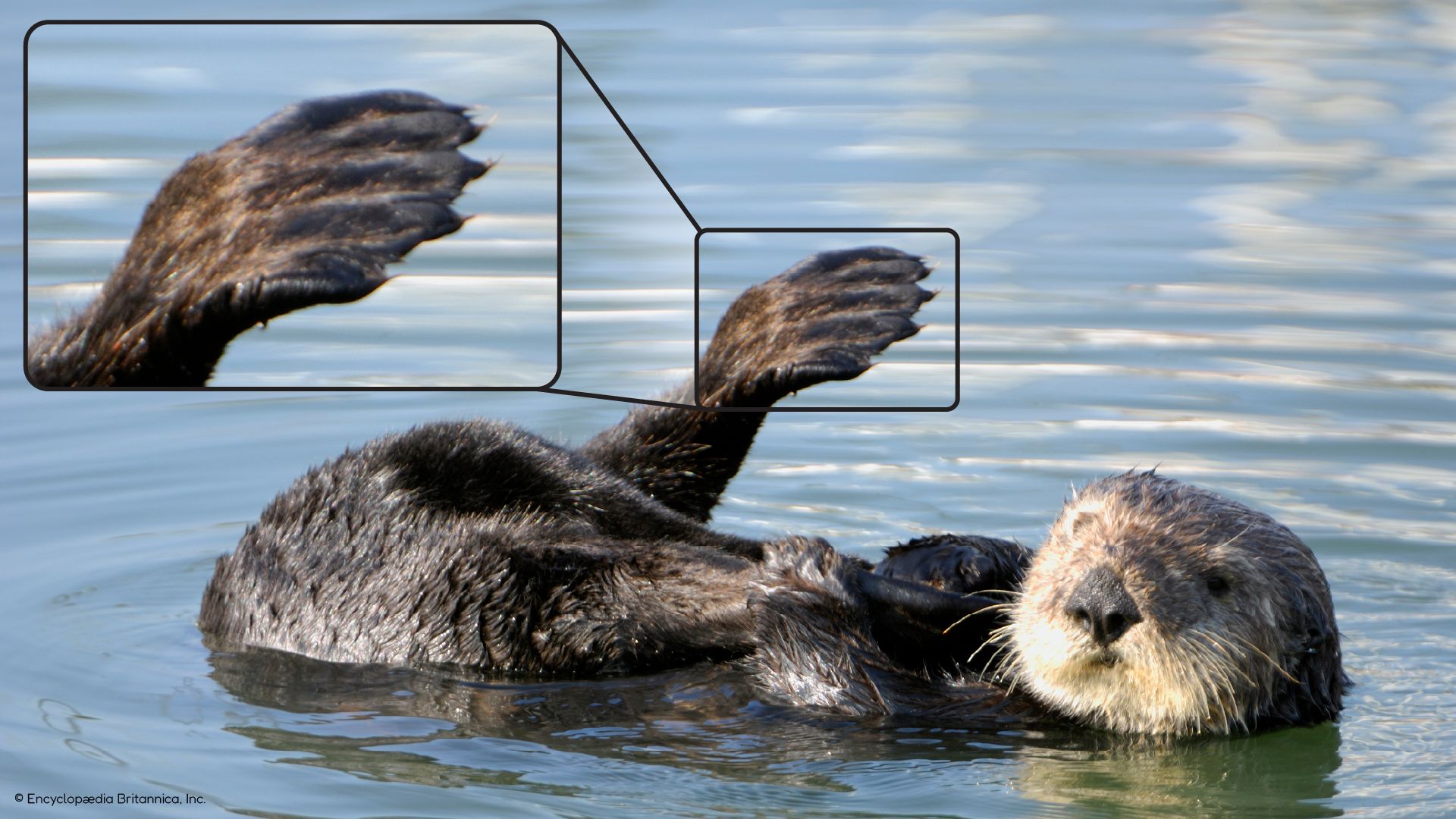
How does thermogenic leak differ from shivering?
The primary difference between thermogenic leak and shivering lies in how they generate heat within the body:
- Shivering: This is a regulatory mechanism that produces heat through rapid, involuntary muscle contractions. Because it relies on physical movement, it is an energy-intensive process that can be physically exhausting.12
- Thermogenic Leak: Unlike shivering, this process does not involve muscle contractions. Instead, it occurs within the mitochondria of muscle cells. Normally, mitochondria produce ATP to fuel cellular work; however, during thermogenic leak, the mitochondria are “uncoupled,” meaning they release energy directly as heat rather than producing ATP.13
While shivering is a common response to cold across many species, sea otters have evolved a superior capacity for thermogenic leak, allowing them to maintain their body temperature in near-freezing waters without the constant, taxing physical exertion of shivering.1
We could dive deeper into how other specialized tissues, such as brown adipose tissue, utilize similar uncoupling mechanisms to provide warmth in newborns and hibernating animals.
Why is grooming so critical for a sea otter’s survival?
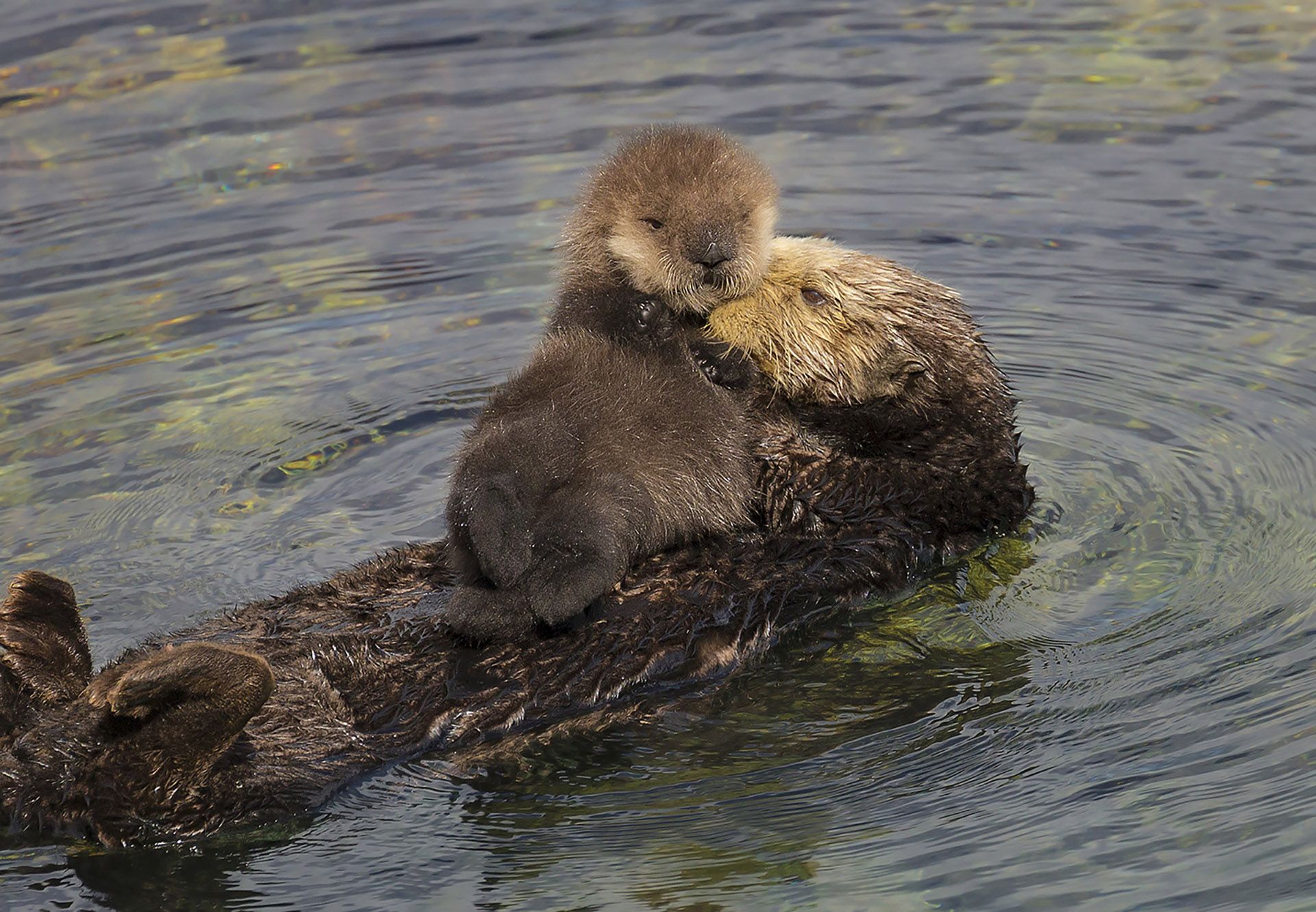
Grooming is critical for a sea otter’s survival because it is the primary method for maintaining the integrity of their fur, which serves as their only defense against the cold. Unlike other marine mammals that rely on blubber, sea otters depend on an exceptionally dense coat—containing up to 1,000,000 hairs per square inch—to trap an insulating layer of air against their skin.1
Because water has high thermal conductivity, any matting or damage to the coat allows water to penetrate the fur and reach the skin, which can quickly lead to fatal hypothermia. Consequently, otters spend nearly one-third of their day grooming to ensure their coat remains waterproof and effective at trapping air. This behavior also includes blowing bubbles and rubbing their fur to work air back into the coat after diving, as the pressure of the water can compress and force that protective air out.1
How do other marine mammals like whales stay warm without fur?
Marine mammals like whales stay warm in cold water through three primary adaptations that minimize heat loss and manage internal temperature:
- Blubber: Whales possess a thick layer of blubber—a dense blanket of fat and collagen that can reach up to 30 cm (12 inches) in thickness. Because fat conducts heat poorly, this layer acts as a highly effective insulator against the cold environment.4
- Body Shape: Whales have evolved a streamlined, heat-conserving body that reduces their surface area relative to their volume. By minimizing external appendages, they reduce the areas where heat can escape into the water.4
- Countercurrent Blood Exchange: This is a sophisticated circulatory adaptation that allows whales to regulate their temperature. When the animal needs to conserve heat, blood returning from the skin is warmed by arterial blood carrying heat to the periphery. Conversely, if the whale needs to shed excess heat, it can route blood through superficial veins to release warmth into the environment.4
Sources
- How do sea otters stay warm? — Encyclopædia Britannica
- Warm-bloodedness — Encyclopædia Britannica
- brown adipose tissue — Encyclopædia Britannica
- cetacean - Circulation and thermoregulation — Encyclopædia Britannica
Published on · 3 min read