Sea Otter
Sea otters play a vital role in maintaining the health of kelp forest ecosystems through a process known as a trophic cascade.
How do sea otters contribute to kelp forest ecosystems?
Sea otters play a vital role in maintaining the health of kelp forest ecosystems through a process known as a trophic cascade.1
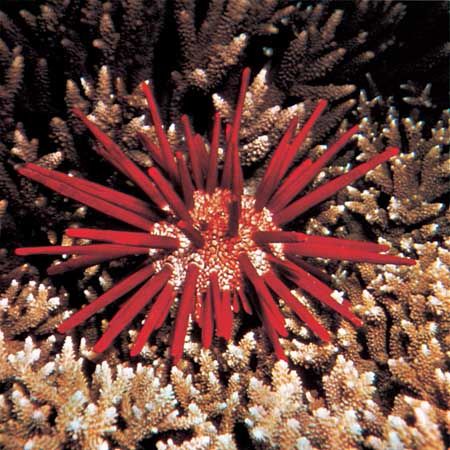
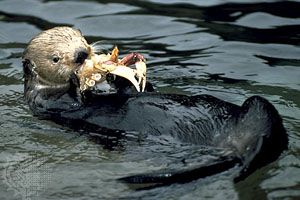
As apex predators, sea otters primarily feed on sea urchins. These urchins are herbivores that consume the holdfasts—the rootlike structures that anchor kelp to the ocean floor. By preying on urchins, sea otters keep their populations in check, preventing them from overgrazing and destroying the kelp. When kelp forests are protected from excessive urchin damage, they are able to flourish, providing essential habitat for numerous fish and other marine organisms.231
Historically, the near-extinction of sea otters due to the fur trade led to a collapse in many kelp forests, as unchecked urchin populations decimated the algae. Today, the presence of sea otters remains a critical factor in the stability and biodiversity of these coastal environments.1
What are the main threats to sea otter populations?
Sea otter populations face several significant threats that jeopardize their survival and recovery. Because these animals rely on their dense fur for insulation rather than blubber, they are exceptionally vulnerable to environmental contaminants, particularly oil spills, which can compromise their coat and lead to fatal hypothermia.51
Other primary threats include:
- Metabolic Stress: Due to their high metabolic rates, sea otters require massive amounts of food. Disruptions to prey availability or stressors like extreme weather can quickly lead to starvation.5
- Disease and Infection: Superficial infections from mites, fungi, or bacteria can damage their fur, making them susceptible to cold.5
- Human Disturbance: Activities such as boat or kayak traffic can interfere with the otters’ ability to rest and maintain their energy balance.5
- Predation: Sea otters are subject to natural predation by sharks and killer whales.21
- Fishery Conflicts: Competition for shellfish resources, such as crabs, clams, and abalones, creates ongoing tension with fisheries.21
What are the unique physical characteristics of sea otters?
Sea otters (Enhydra lutris) possess several unique physical characteristics that allow them to thrive in cold, marine environments without the thick layer of blubber found in other marine mammals.5
- Superlative Fur: They have the densest fur of any living mammal, with up to 1,000,000 hairs per square inch. This coat consists of three types of hair, including waterproof guard hairs and fluffy underhairs that trap air to provide essential insulation.25
- Metabolic Adaptations: To maintain a stable body temperature, sea otters have metabolic rates about three times higher than similarly sized land mammals. They generate significant internal heat through a process called “thermogenic leak,” which occurs in their muscle mitochondria.5
- Aquatic Anatomy: Sea otters are the largest members of the weasel family (Mustelidae), reaching lengths of 100–160 cm (40–65 inches). They have fully webbed front and back feet, and their large lungs provide both buoyancy and the capacity for long dives.621
- Physiological Capabilities: Unlike many other marine mammals, sea otters can drink salt water, allowing them to remain at sea for extended periods.1
What is the diet of sea otters, and how do they hunt for food?
Sea otters are specialized marine predators that rely on a diet consisting primarily of sea urchins, crabs, and various other shellfish, though they also consume fish. Because of their exceptionally high metabolic rates, they must consume approximately 25 percent of their body weight in food every day to maintain their energy balance.15
Hunting and Feeding Behavior
Sea otters exhibit sophisticated foraging and feeding behaviors:
- Foraging: They spend nearly half of their time foraging for food in coastal waters.5
- Tool Use: Sea otters are known for their use of rocks as tools to break open hard-shelled prey like crabs and clams.1
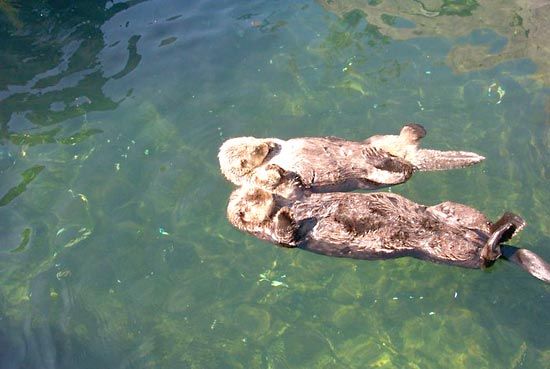
- Consumption: Unlike many other marine mammals, sea otters consume their captured prey while floating on their backs at the water’s surface.1
- Processing: While rocks are used for shellfish, they often crush sea urchins directly with their teeth and forefeet.1
Their role as an apex predator is vital to the health of their ecosystems; by preying on urchins and crabs, they prevent these populations from overgrazing kelp forests and eelgrass meadows, thereby allowing these habitats to flourish.13
Sources
- otter - Saltwater otters — Encyclopædia Britannica
- sea otter — Encyclopædia Britannica
- Otters, Algae, and Plants, Oh My - “Otters, Algae, and Plants, Oh My” transcript — Encyclopædia Britannica
- Otters, Algae, and Plants, Oh My - Learn more — Encyclopædia Britannica
- How do sea otters stay warm? — Encyclopædia Britannica
- What’s the difference between river otters and sea otters? — Encyclopædia Britannica
Published on · 3 min read