Why Do Cats Blink Slowly?
When a cat blinks slowly, it is engaging in a form of nonverbal communication that signifies trust and affection. Because cats are naturally cautious and…
Why do cats blink slowly?
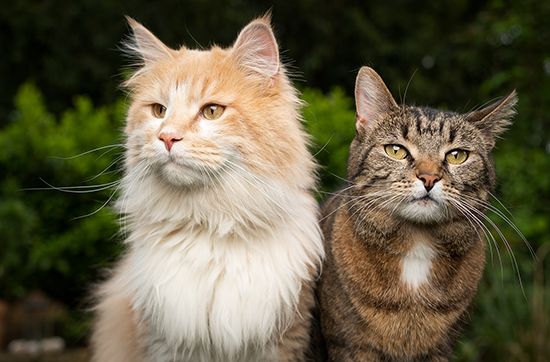
When a cat blinks slowly, it is engaging in a form of nonverbal communication that signifies trust and affection. Because cats are naturally cautious and must remain alert to threats in the wild, closing their eyes—even briefly—demonstrates that they feel safe and secure in your presence.1
This behavior is often described as a soft, lazy wink or a series of half-closed blinks used to express warmth. While a direct stare can sometimes signal aggression, squinty or half-shut eyes indicate that a cat is relaxed and open to friendly interaction. Interestingly, because cats are observant, they may even mirror this behavior if you blink slowly at them, which can help strengthen the bond between you and your pet.1
What does it mean when a cat arches its back?
When a cat arches its back, it is primarily using its body language to signal that it feels threatened or angry. By arching its back, turning its body sideways, and bending its tail into an upside-down U, the cat attempts to appear larger and more ferocious to potential predators or rivals.32
This physical display is made possible by the cat’s unique spine, which contains nearly 60 loosely fitting vertebrae, allowing for significant flexibility. During this defensive posture, a cat may also twitch its ears down and to the side to monitor for attacks, and it often exhibits bristling—a pilomotor reflex where the fur stands on end—to further increase its perceived size and menace.32
Why do cats knead their paws?
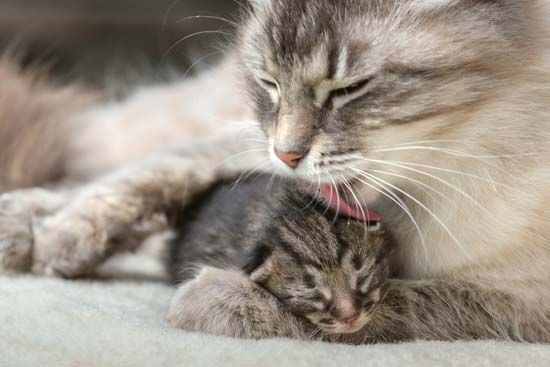
Kneading, often referred to as “making biscuits,” is a common behavior in cats that serves several purposes. In kittens, this rhythmic pushing motion is an instinctive action used to stimulate milk production from their mother.
As cats mature, they continue to knead for different reasons:
- Self-soothing: Adult cats often knead when they feel relaxed or are preparing to rest, as the repetitive motion can be comforting.
- Affection: When a cat kneads while sitting on or near you, it is often a sign of contentment and trust, signaling that they feel safe in your company.
- Scent marking: Cats possess scent glands on the underside of their paws. By kneading, they deposit their personal scent onto a surface, effectively marking it as part of their territory or social group.4
This behavior is a natural expression of a cat’s comfort and connection to its environment or human companions.4
How do cats use their tails to communicate?
A cat uses its tail as a primary tool for animal communication, conveying a wide range of emotions and intentions through its position and movement:
- Friendly Greetings: Holding the tail erect indicates that a cat is feeling calm, confident, and friendly.52
- Anger and Aggression: A swishing or lashing tail often signals that a cat is angry or preparing to attack. A twitching tail, particularly when held still with only the tip moving, indicates mild irritation or that the cat is on guard.52
- Fear and Submission: A tail tucked between the hind legs or held close to the body signals insecurity, fear, or defeat.52
- Specific Contexts: A tail bent into an upside-down U while the back is arched suggests the cat is frightened or angry and trying to appear larger. Conversely, a female cat in heat may hold her tail to one side as a sexual invitation.2
Sources
- Why do cats blink slowly? — Encyclopædia Britannica
- cat - Body language and communication — Encyclopædia Britannica
- 16 Questions About Pets Answered - Why does my cat arch its back? — Encyclopædia Britannica
- Why do cats rub against your legs? — Encyclopædia Britannica
- 16 Questions About Pets Answered - How does a cat’s tail help keep the animal balanced? — Encyclopædia Britannica
- 16 Questions About Pets Answered - Why does my dog wag its tail when it’s happy to see me? — Encyclopædia Britannica
Published on · 3 min read