Human Ancestors
The term "human ancestors" refers to the extinct members of the hominin lineage—the group that includes modern humans (Homo sapiens) and their predecessors.…
What is Human Ancestors?
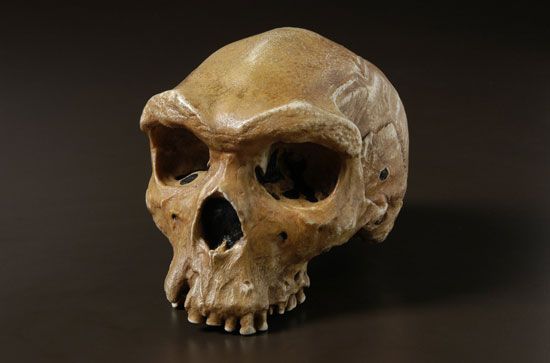
The term “human ancestors” refers to the extinct members of the hominin lineage—the group that includes modern humans (Homo sapiens) and their predecessors. Rather than a simple, linear progression, human evolution is often described as a “family bush,” characterized by multiple species living contemporaneously throughout history.12
Key groups in the human evolutionary lineage include:
- Ardipithecus: The earliest known genus of the family Hominidae, living between 5.8 and 4.4 million years ago, and considered a likely ancestor to Australopithecus.3
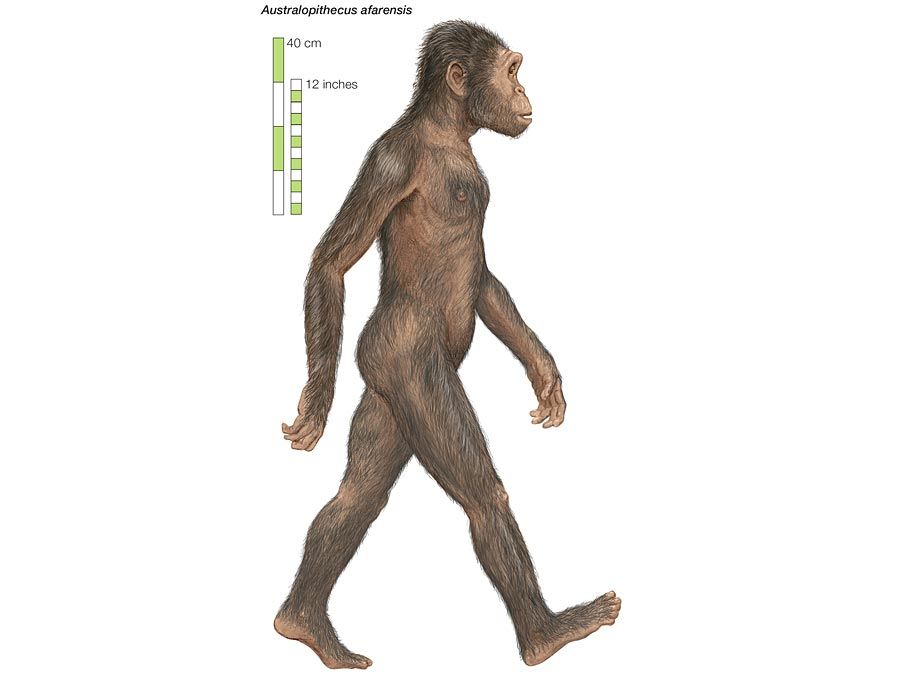
- Australopithecus: A genus of fully bipedal primates with ape-sized brains that appeared approximately 4.2 million years ago. Most paleoanthropologists believe this group evolved into the genus Homo.4
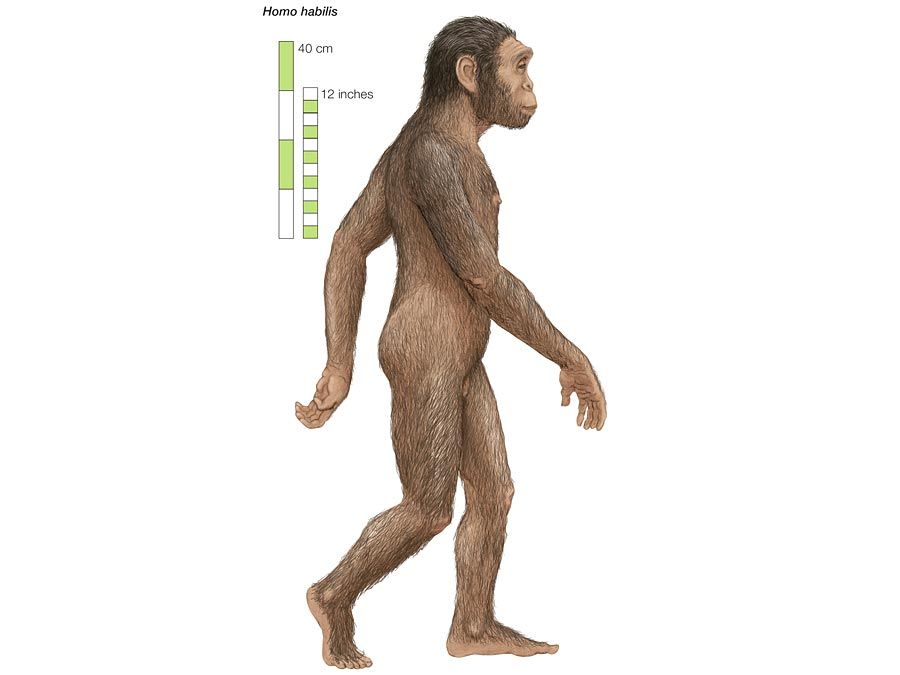
- Homo: The genus that includes modern humans. It encompasses various extinct species such as H. habilis, H. erectus, and H. neanderthalensis (Neanderthals).12
These ancestors are distinguished from other primates by traits such as bipedal locomotion, larger brains, and the development of complex behaviors like tool use.1
What physical traits distinguish hominins from other primates?
Hominins are distinguished from other primates by several key physical and behavioral traits that reflect their unique evolutionary path. The most defining characteristic is obligate terrestrial bipedalism—the ability to walk upright on two legs as a primary mode of locomotion.728
Key Distinguishing Traits
- Skeletal Adaptations for Bipedalism: Unlike the quadrupedal locomotion of great apes, hominin skeletons show specific modifications. The pelvis is shorter and broader, with ilia curved forward to stabilize the body during a stride. The femur slants toward the midline to keep the knees close together, and the feet possess a stable arch and a robust heel, with the great toe aligned with the other toes.7
- Cranial and Dental Features: Hominins generally exhibit smaller, non-projecting canine teeth compared to the large, pointed canines of apes. Over time, the genus Homo has shown a trend toward increased brain capacity and a reduction in the size of jaws and teeth, likely influenced by the use of tools and fire for food preparation.981011
- Behavioral Characteristics: Beyond anatomy, hominins are often identified by specialized tool use and, in some cases, the development of complex communication through language.2
While early hominins retained some apelike features—such as smaller braincases and protruding faces—these anatomical shifts allowed them to adapt to diverse environments and eventually move beyond their ancestral habitats.10118
How do scientists use fossil records to determine the age of ancient species?
Scientists determine the age of ancient species and their remains using a combination of relative and absolute dating techniques.
Relative Dating
Relative dating establishes the chronological order of fossils without providing a specific numerical age.
- Stratigraphy: By observing the succession of layers in sedimentary rock, scientists can determine the relative age of fossils based on their position; deeper layers are generally older than those above them.1213
- Biostratigraphy: This method involves identifying and arranging fossils within rock strata to determine their relative geologic age.14
- Cross Dating: Archaeologists can date undated sites by finding objects from a known culture (such as specific pottery styles) within them, allowing them to infer that the materials are contemporary.12
Absolute Dating
Absolute dating provides specific numerical ages for fossils or the surrounding geological context.
- Radiometric dating: This technique measures the decay of radioactive isotopes (such as uranium, potassium, or rubidium) into stable elements.1516
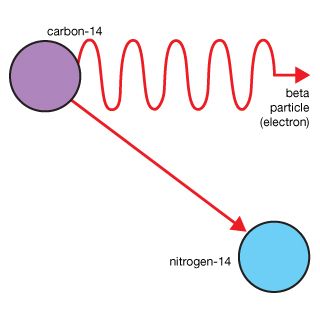
- Carbon-14 dating: Used for organic materials, this method measures the decay of radiocarbon. It is effective for specimens between 500 and 50,000 years old.1712
- Dendrochronology: This involves dating by counting the annual growth rings of trees.12
What is the significance of bipedalism in human evolution?
Bipedalism—the ability to walk upright on two legs—is a seminal development in human evolution that marks the separation between hominins and the lineage of living African apes. While the exact evolutionary pressures remain debated, this shift provided several key advantages:19
- Efficiency and Utility: Bipedalism may have offered more calorically efficient locomotion and freed the hands for carrying food and manufacturing tools.1920
- Cognitive Development: The liberation of the hands is linked to the development of manual dexterity, which in turn fostered language and other intellectual capacities, ultimately contributing to the evolution of a larger brain.20
- Environmental Adaptation: Standing upright allowed ancestors to look over tall grass to spot danger and shifted their perspective from that of a four-legged prey animal to an upright creature.19
However, this transition also introduced disadvantages, including increased vulnerability to lower back pain, hernias, and fallen arches, as well as reduced speed compared to quadrupedal predators. Unlike other primates, humans are uniquely adapted to “striding,” a specialized gait that minimizes energy expenditure through a smooth, undulating flow of movement.19721
Sources
- Ardipithecus - The puzzle of human origins — Encyclopædia Britannica
- hominin — Encyclopædia Britannica
- Australopithecus - Transition to Homo — Encyclopædia Britannica
- Ardipithecus — Encyclopædia Britannica
- human evolution — Encyclopædia Britannica
- Homo sapiens - Bodily structure — Encyclopædia Britannica
- human evolution - The anatomy of bipedalism — Encyclopædia Britannica
- human evolution - Reduction in tooth size — Encyclopædia Britannica
- Homo erectus - Body structure — Encyclopædia Britannica
- human evolution - Hominin habitats — Encyclopædia Britannica
- Homo sapiens - Origin — Encyclopædia Britannica
- dating: Top Questions — Encyclopædia Britannica
- carbon-14 dating — Encyclopædia Britannica
- biostratigraphy — Merriam-Webster
- Did you know? — Merriam-Webster
- Archaeology - Dating — Encyclopædia Britannica
- geochronology - Accumulational processes — Encyclopædia Britannica
- Homo habilis - Dating the fossils — Encyclopædia Britannica
- Australopithecus - Bipedalism — Encyclopædia Britannica
- human muscle system - Changes in the muscles of the lower limb — Encyclopædia Britannica
- human muscle system - Evolutionary context — Encyclopædia Britannica
- bipedalism — Encyclopædia Britannica
Published on · 4 min read