Hydroid
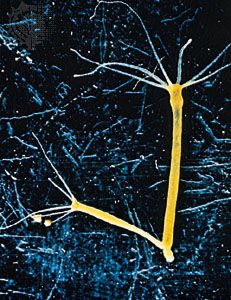
A hydroid is any member of the invertebrate class Hydrozoa, which belongs to the phylum Cnidaria. While most of the approximately 3,700 known species live in…
What is hydroid?
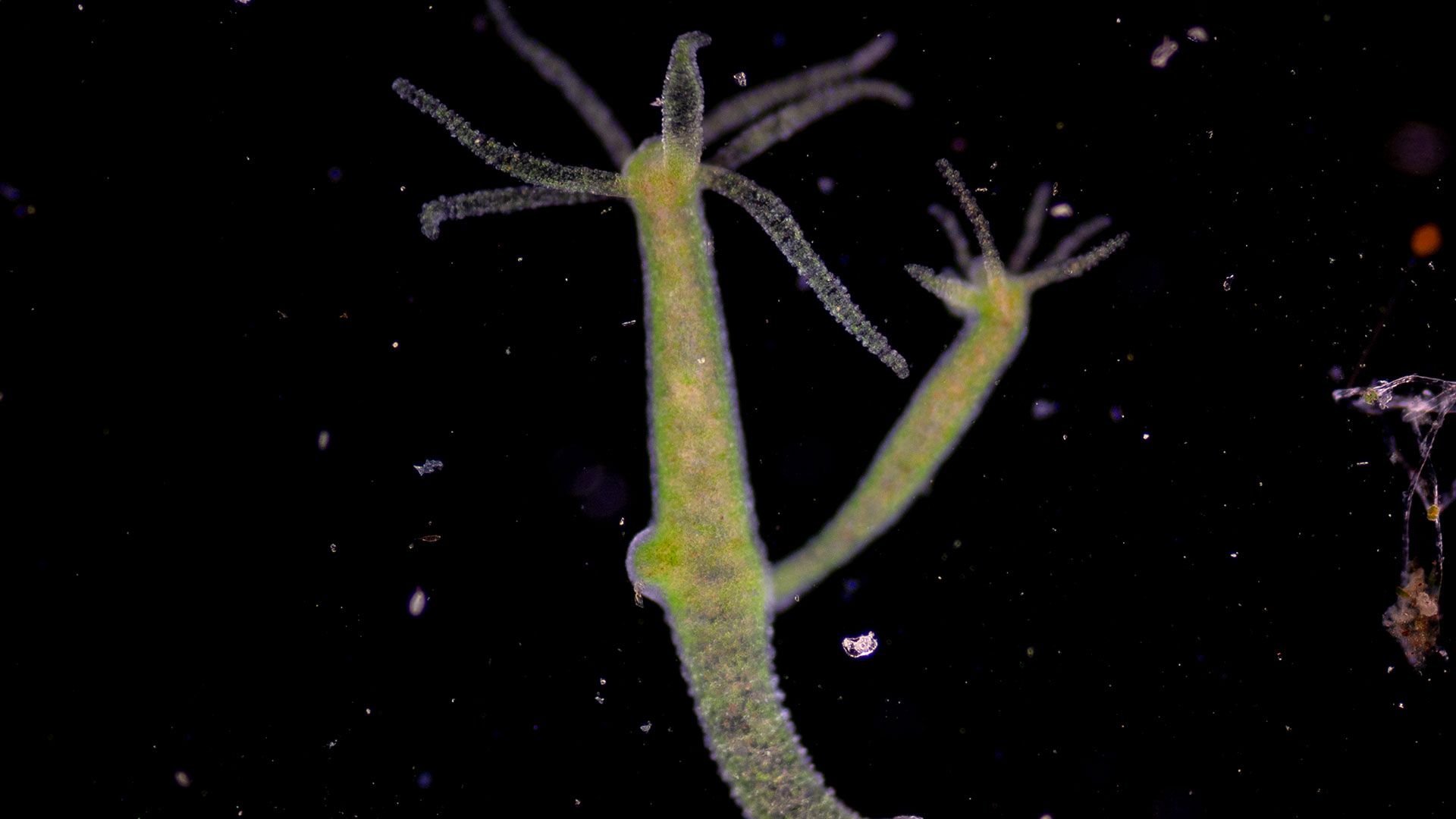
A hydroid is any member of the invertebrate class Hydrozoa, which belongs to the phylum Cnidaria. While most of the approximately 3,700 known species live in marine environments, some have adapted to freshwater habitats.1
Hydroids can be solitary or colonial and typically follow a life cycle consisting of three stages: a free-swimming planula larva, a sessile polyp stage, and a gamete-producing medusa. However, many species have evolved to suppress the medusa stage, and the well-known freshwater genus Hydra lacks it entirely.1
Colonial hydroids consist of individual zooids connected by a common tube called a stolon. These colonies often grow vegetatively and may be protected by a chitinous sheath known as the perisarc.1
How do hydroids capture their food?
Hydroids are carnivores that rely on specialized biological tools to secure their food. Because they do not actively pursue prey, they utilize the following methods to feed:
- Cnidae and Toxins: Most hydroids use microscopic, intracellular stinging capsules known as nematocysts (or cnidae) to capture prey. When a potential food organism comes into contact with the hydroid’s tentacles, these structures discharge toxins to immobilize the prey.23
- Passive Capture: As sessile (attached) polyps, hydroids depend on organisms that drift into contact with their tentacles. Once prey is captured, the tentacles move the food toward the mouth, either by bending directly or by passing the item to tentacles located closer to the oral opening.2
- Ingestion: Once the food reaches the mouth, the lips grasp the item, and muscular actions complete the swallowing process.2
- Nutrient Exchange: In colonial hydroids, individuals (zooids) are connected by a common living tube called a stolon. This structure is believed to facilitate the exchange of food and nutrients between the various members of the colony.1
What is the difference between a polyp and a medusa?
The polyp and medusa are the two primary body forms found in the phylum Cnidaria. While many species alternate between these forms during their life cycle, they differ significantly in structure, lifestyle, and function.78
Key Differences
Feature
Polyp
Medusa
Body Shape
Cylindrical, stalk-like
Bell- or umbrella-shaped
Lifestyle
Sessile (attached to a surface)
Free-swimming (planktonic)
Orientation
Mouth and tentacles face upward
Mouth and tentacles hang downward
Primary Role
Often the juvenile or asexual stage
Typically the adult or sexual stage
Reproduction
Produces medusae asexually
Produces gametes (eggs/sperm) sexually
Structural and Functional Distinctions
- Attachment vs. Movement: The polyp is adapted for attachment to a firm substratum, whereas the medusa moves through the water via rhythmic muscular contractions of its bell.89
- Life Cycle Roles: In many species, the polyp acts as the sedentary, asexual phase that buds off medusae. The medusa, commonly known as a jellyfish, serves as the mobile, sexual phase that releases gametes into the water to produce new larvae.810
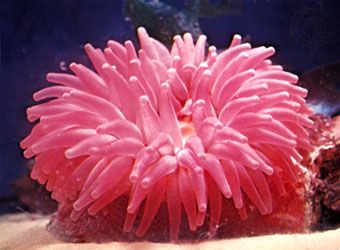
- Diversity: Some groups, such as the class Anthozoa (which includes sea anemones and corals), exist exclusively as polyps and never develop a medusa stage.78
How does the Hydra differ from colonial hydroids?
The genus Hydra differs from most other hydroids in several fundamental ways regarding their structure and life cycle:
- Solitary vs. Colonial: While most hydroids form branched, colonial structures consisting of many zooids connected by a common living tube (stolon), Hydra is solitary. Each Hydra exists as an individual organism rather than part of a larger, interconnected colony.15
- Life Cycle: Typical hydroids often exhibit a complex life cycle that includes a sessile polyp stage that produces free-swimming medusae (jellyfish) for sexual reproduction. In contrast, Hydra lacks a medusa stage entirely. Its life cycle consists only of the polyp form, and offspring are released as miniature versions of the adult.15
- Habitat: Most hydroids are marine organisms, whereas Hydra is a well-known genus that has adapted to freshwater environments.15
Sources
- hydroid — Encyclopædia Britannica
- cnidarian - Ecology and habitats — Encyclopædia Britannica
- cnidarian - Food and feeding — Encyclopædia Britannica
- cnidarian — Encyclopædia Britannica
- Hydra — Encyclopædia Britannica
- echinoderm - Food and feeding habits — Encyclopædia Britannica
- polyp — Encyclopædia Britannica
- cnidarian - Size range and diversity of structure — Encyclopædia Britannica
- medusa — Encyclopædia Britannica
- cnidarian - Reproduction and life cycles — Encyclopædia Britannica
- Reproductive behaviour - Coelenterates — Encyclopædia Britannica
Published on · 3 min read