Ice Plant
The term ice plant refers to various low-growing succulent species within the carpetweed family (Aizoaceae), primarily native to arid regions of southern…
What is ice plant?
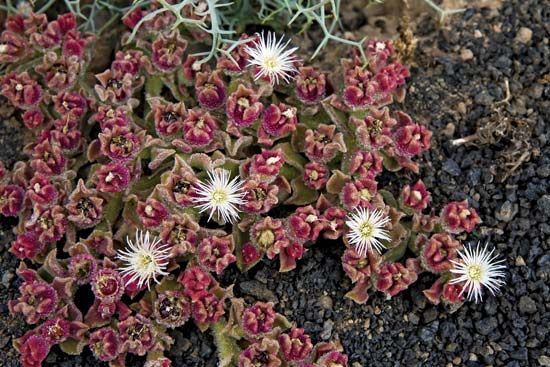
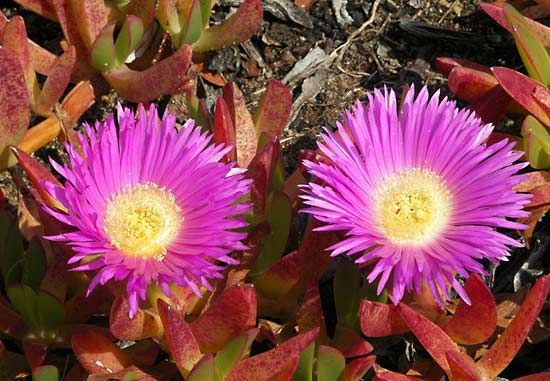
The term ice plant refers to various low-growing succulent species within the carpetweed family (Aizoaceae), primarily native to arid regions of southern Africa. These plants are frequently cultivated as ornamental ground covers or used for erosion control.12
The name “ice plant” stems from the appearance of many species, which excrete calcium crystals on their leaves, creating a texture that resembles a heavy frost. For example, the highway ice plant (Carpobrotus edulis) is well-known for its edible leaves, which feature transparent, glistening swellings. Common genera associated with these plants include Mesembryanthemum, Carpobrotus, Conicosia, Delosperma, and Disphyma.21
What are the characteristics of succulent plants?
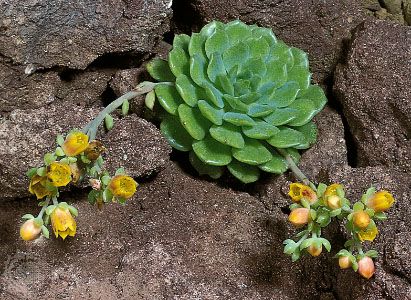
Succulent plants are defined by their thick, fleshy tissues specifically adapted for water storage. These plants are found in over 60 different plant families, with the Aizoaceae, Cactaceae, and Crassulaceae families being the most prominent examples.3
Key characteristics include:
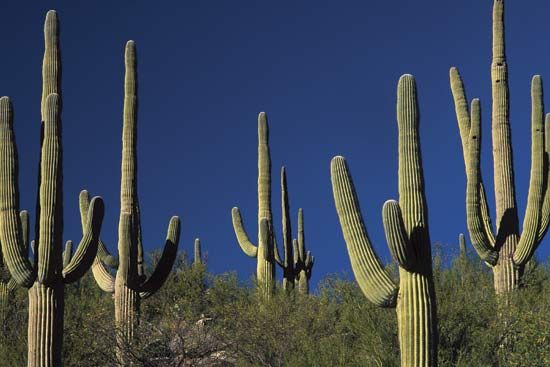
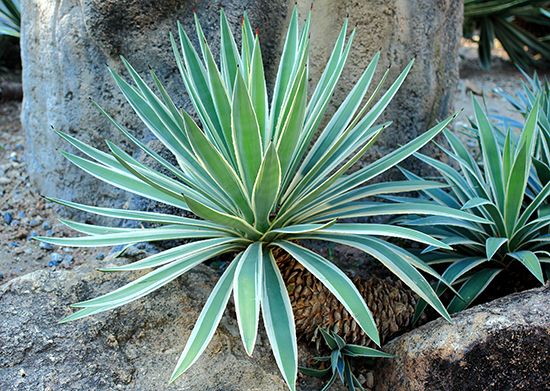
- Water Storage: Depending on the species, water is stored primarily in the stem (as seen in many cacti) or in the leaves (as seen in agaves and Aloe).34
- Root Systems: Most succulents possess deep or broad root systems to efficiently gather moisture in their native desert or semiarid environments.3
- Metabolic Adaptation: Many succulents utilize crassulacean acid metabolism, a specialized form of photosynthesis. Their stomata remain closed during the hot day to minimize transpiration and open at night to take in carbon dioxide. night to take in carbon dioxide.3
How do plants adapt to living in arid environments?
Plants adapted to arid environments, known as xerophytes, have evolved various mechanisms to conserve water and survive in dry conditions. These adaptations generally focus on minimizing water loss and maximizing storage.53
Water Conservation and Storage
- Succulence: Many plants store water in thick, fleshy stems or leaves. This allows them to maintain hydration during periods of drought.56
- Surface Modifications: To reduce transpiration, plants may feature waxy epicuticular coatings or dense mats of trichomes (hairs) that trap moisture. Stomata are often sunken into the leaf surface to further inhibit water loss.53
- Leaf Reduction: Some plants drop their leaves during dry periods or have modified them into spines, which protect against herbivores and help radiate heat.57
Metabolic Adaptations
Many succulents utilize crassulacean acid metabolism. Unlike most plants, they keep their stomata closed during the hot day to prevent water loss and open them at night to take in carbon dioxide, significantly increasing water-use efficiency.6
What is the purpose of erosion control in gardening?
The primary purpose of erosion control in gardening and land management is to preserve the integrity of the soil, which is essential for maintaining biological productivity and supporting plant life. When soil is left exposed, it becomes susceptible to water and wind erosion, which strip away nutrient-rich topsoil, humus, and beneficial organisms.8910
Effective erosion control serves several critical functions:
- Stabilization: Plants and their root systems anchor the soil, preventing particles from being carried away by runoff or strong winds.89
- Runoff Management: Techniques like terracing, contour farming, and the use of retaining walls slow the flow of water, allowing it to infiltrate the ground rather than carving channels into the landscape.8119
- Surface Protection: Using cover crops or mulch creates a protective layer that shields the soil surface from the impact of raindrops and reduces wind velocity.8129
- Structural Integrity: By preventing the removal and transport of soil, these measures protect nearby structures, such as paths, buildings, and drainage systems, from damage.10
Sources
- ice plant — Encyclopædia Britannica
- ice plant — Merriam-Webster
- Succulent — Encyclopædia Britannica
- houseplant - Succulents — Encyclopædia Britannica
- Xerophyte — Encyclopædia Britannica
- Angiosperm - Leaves — Encyclopædia Britannica
- Angiosperm - Leaf modifications — Encyclopædia Britannica
- What causes soil erosion? — Encyclopædia Britannica
- Retaining wall — Encyclopædia Britannica
- Tillage - Mulch tillage — Encyclopædia Britannica
- soil - Soil erosion — Encyclopædia Britannica
- soil - Rates of soil erosion — Encyclopædia Britannica
- desertification - Solutions to desertification — Encyclopædia Britannica
Published on · 3 min read