Icefish
The term icefish refers to several distinct groups of fish, most notably members of the family Channichthyidae, also known as crocodile icefish due to their…
What is icefish?
The term icefish refers to several distinct groups of fish, most notably members of the family Channichthyidae, also known as crocodile icefish due to their snout shape. These fish are frequently called “white-blooded” because they lack red blood cells and hemoglobin. While their blood carries less oxygen than that of other fish, they have evolved larger hearts and gill blood vessels to circulate a greater volume of blood, allowing them to extract sufficient oxygen from the cold, oxygen-rich waters of the Southern Ocean.1
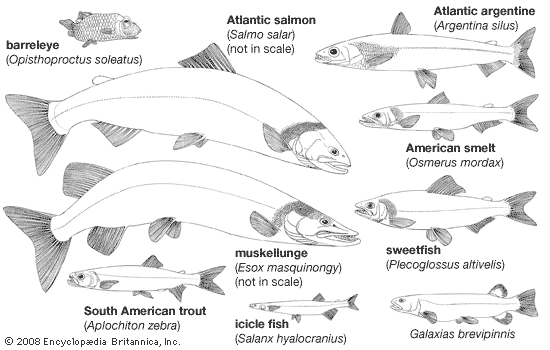
The name is also applied to certain species of smelt and the Salanx, or icicle fish, which belong to separate families within the order Salmoniformes.1
It is important to note that while some ray-finned fishes in polar environments produce glycoproteins as cryoprotectants to prevent freezing, this is a physiological adaptation shared by various species inhabiting extreme cold, rather than a defining trait exclusive to the family Channichthyidae.2
How do icefish circulate oxygen without hemoglobin?
Crocodile icefish (family Channichthyidae) do not rely on hemoglobin to transport oxygen, as they lack red blood cells entirely. Instead, they have evolved specialized physiological adaptations to survive in the cold, oxygen-rich waters of the Southern Ocean.4
To compensate for the absence of oxygen-binding proteins in their blood, these fish utilize the following mechanisms:
- Increased Blood Volume: Icefish possess significantly larger hearts and wider gill blood vessels compared to other fish. This allows them to circulate a much greater volume of blood throughout their bodies.4
- Efficient Gas Exchange: By circulating a higher volume of blood, they can extract sufficient dissolved oxygen directly from the water through their gills. This process relies on the high oxygen concentration naturally present in their frigid environment, which facilitates efficient diffusion into the bloodstream.41
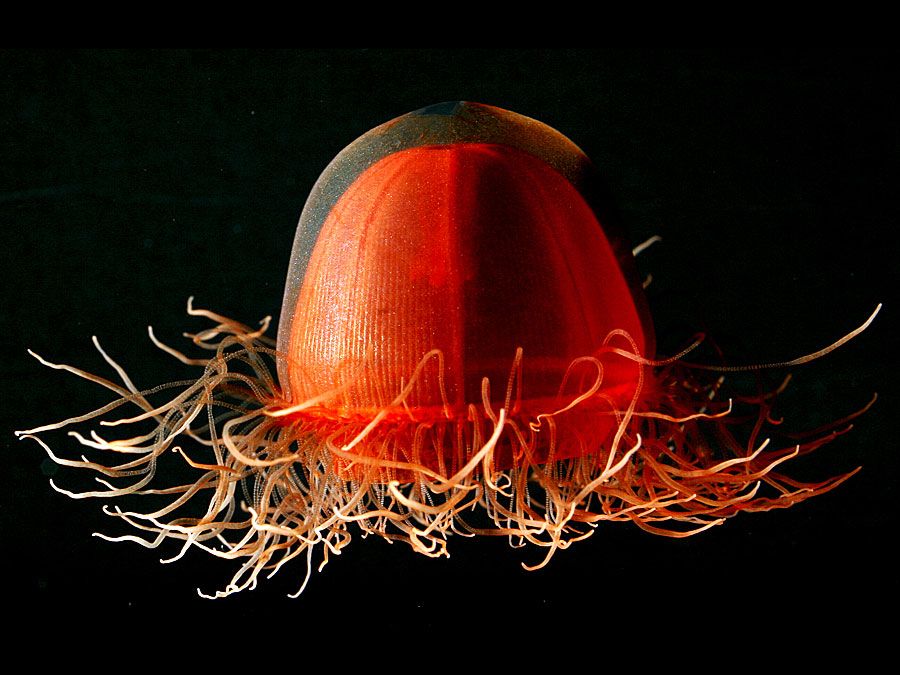
Unlike jellyfish, which rely on simple diffusion across their skin due to their lack of a circulatory system, icefish maintain a complex circulatory system that is essential for distributing oxygenated plasma to their tissues.54
What are some other unique adaptations of animals living in the Southern Ocean?
Animals in the Southern Ocean have evolved remarkable physiological and anatomical adaptations to survive in one of the coldest and most extreme environments on Earth.
Biochemical and Physiological Adaptations
- Cryoprotectants: To prevent the formation of ice crystals in their cells and tissues, many polar ectotherms produce specialized compounds. Ray-finned fishes, for example, manufacture glycoproteins that act as biological antifreeze, while other invertebrates may use sugars or glycerol to lower the freezing point of their body fluids.36
- Heat Exchange Systems: Penguins utilize a sophisticated countercurrent heat exchange system in their lower limbs. By positioning arteries and veins closely together, they allow cooled blood returning from their feet to be warmed by outgoing arterial blood, minimizing heat loss while maintaining foot function in sub-zero temperatures.7
Morphological and Behavioral Adaptations
- Insulation: Penguins possess dense plumage and a layer of trapped air that provides near-complete insulation against the freezing water.7
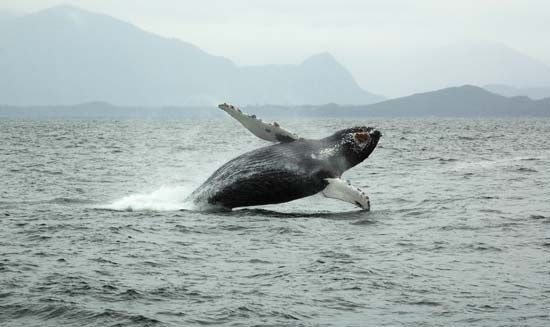
- Specialized Feeding: Many marine mammals, such as baleen whales, have evolved specialized structures like baleen plates to efficiently strain vast quantities of krill, the primary food source in the region.89
- Survival Strategies: Weddell seals exhibit unique behavior by using their teeth to maintain open breathing holes in the fast ice, allowing them to remain active in the water throughout the harsh Antarctic winter.8
How do antifreeze proteins in fish prevent ice crystals from forming?
Antifreeze proteins in polar fishes function as cryoprotectants, which are specialized compounds that protect an organism’s cells and tissues from the damaging effects of ice formation.93
These proteins prevent ice crystals from forming or growing by lowering the freezing point of the water within the animal’s body fluids. While some ectotherms rely on high internal salt concentrations or sugars like glycerol to inhibit freezing, polar ray-finned fishes specifically produce glycoproteins that circulate through their bloodstream to restrict the growth of ice crystals. By effectively altering the body chemistry, these adaptations allow the fish to remain active in sub-zero marine environments where they would otherwise be at risk of freezing.3
We could dive deeper into how other organisms, such as the wood frog, utilize different biochemical strategies to survive freezing temperatures.
Sources
- icefish — Encyclopædia Britannica
- ostariophysan - Annotated classification — Encyclopædia Britannica
- Ectotherm — Encyclopædia Britannica
- Do jellyfish have a heart? — Encyclopædia Britannica
- How do gills work? — Encyclopædia Britannica
- penguin - Form and function — Encyclopædia Britannica
- Antarctica - Sea life — Encyclopædia Britannica
- krill — Encyclopædia Britannica
- antifreeze — Encyclopædia Britannica
- Southern Ocean — Encyclopædia Britannica
- Amundsen Sea — Encyclopædia Britannica
Published on · 3 min read