Indicator Species
An indicator species is an organism, such as a microorganism or plant, that serves as a measure of the environmental conditions in a specific location. By…
What is indicator species?
An indicator species is an organism, such as a microorganism or plant, that serves as a measure of the environmental conditions in a specific location. By observing the presence or absence of these species, scientists can infer characteristics of the habitat, such as soil acidity, salinity, or water quality.1
In addition to plants and microorganisms, environmental scientists utilize sentinel species to monitor ecosystem health. These organisms, which include animals like earthworms, minnows, and mussels, are particularly valuable because they readily accumulate pollutants. By studying the molecular physiology of these sentinel species, researchers can gain functional insights into the impact of environmental stressors on the broader ecosystem.2
What are sentinel species and how do they differ from indicator species?
An indicator species is an organism, such as a plant or microorganism, whose presence or absence provides direct information about specific environmental conditions in a locale, such as soil acidity or water quality.1
Sentinel species are a specific subset of organisms—often small animals like earthworms, minnows, and mussels—used by environmental scientists to monitor ecosystem health. While both serve as indicators, sentinel species are distinguished by their tendency to readily accumulate pollutants. By studying the molecular physiology and metabolomes of these animals, researchers can gain functional insights into how environmental stressors, such as chemical pollutants, impact the broader ecosystem.2
In essence, while an indicator species acts as a general signpost for habitat characteristics, a sentinel species functions as a biological monitor that actively absorbs and reflects the impact of environmental toxins.
How can pollution affect the health of an entire ecosystem?
Pollution exerts a profound and often devastating influence on ecosystems by altering their chemistry, simplifying their structure, and threatening the survival of the organisms within them. The impact of pollution on an entire ecosystem can be understood through several key processes:3
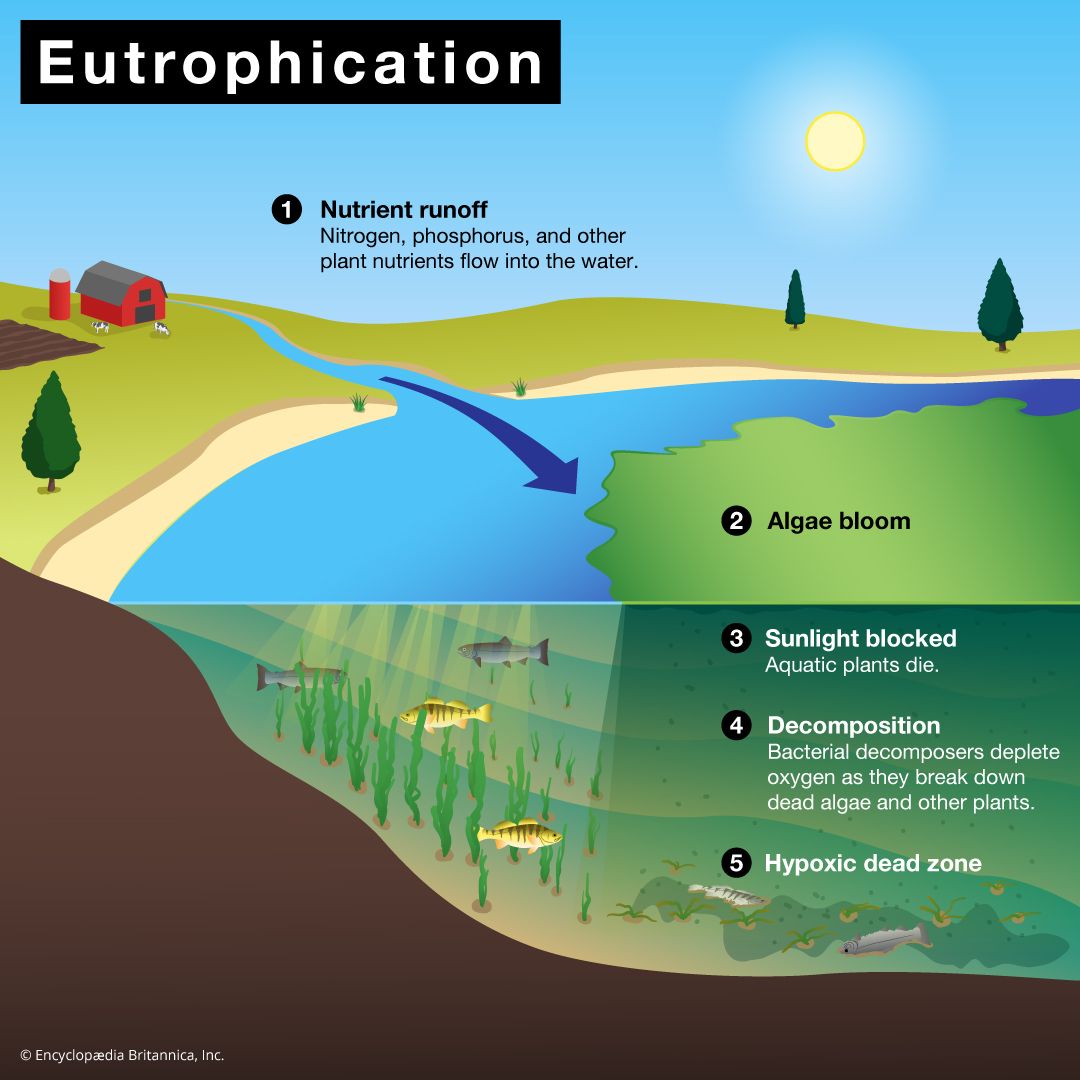
- Habitat Degradation: Pollution acts as a primary driver of habitat degradation, increasing stress on native species and making survival more difficult. For example, nutrient runoff containing nitrogen and phosphorus leads to eutrophication, where rapid algae growth depletes oxygen levels, effectively choking aquatic life.34
- Simplification of Food Webs: Chronic pollution tends to favor small-bodied, rapidly reproducing organisms while eliminating more complex species. This leads to a systematic simplification of food webs, reducing the ecosystem’s overall resilience and its capacity to support diverse life.3
- Bioaccumulation and Biomagnification: Contaminants can enter an ecosystem and bioaccumulate within individual organisms. Through biomagnification, these toxins increase in concentration at successive trophic levels. Historically, this caused widespread damage, such as the thinning of bird eggshells due to DDT, leading to significant population declines.56
- Systemic Impoverishment: Whether through acid rain, industrial toxins, or ionizing radiation, pollution can cause progressive “impoverishment,” where natural communities lose species and structure until only the hardiest organisms remain.3
Ultimately, these human-induced changes threaten the global capacity of Earth to sustain life.3
What specific environmental changes can mosses reveal about soil?
Mosses serve as valuable indicator species that provide insight into the chemical and physical characteristics of the soil they inhabit. Their presence can reveal several specific environmental conditions:
- Soil Acidity: Mosses are frequently used to indicate acidic soil conditions. For instance, the genus Sphagnum is particularly associated with the development of highly acidic peatland environments.18
- Mineral Composition: Certain mosses are adapted to specific mineral-rich or unusual substrates. For example, the moss Scopelophila is known to grow on copper-rich substrata, while other species may be found on quartz pebbles or in salt pans.8
- Moisture and Hydrology: Because mosses require a stable substrate that retains moisture, their presence often signals areas with high humidity, frequent water availability, or waterlogged conditions. They play a critical role in wetland development, acting like a sponge to influence the local water table.8
- Soil Development: Mosses are pioneer species that colonize bare rock, initiating the process of soil formation by breaking down substrates and releasing nutrients for more complex plants.89
Sources
- indicator species — Encyclopædia Britannica
- Metabolomics - Metabolomics in agriculture and environmental monitoring — Encyclopædia Britannica
- plant - Changes in biosystems: pollution — Encyclopædia Britannica
- habitat loss — Encyclopædia Britannica
- Bioaccumulation: Top Questions — Encyclopædia Britannica
- Bioaccumulation - Effects of bioaccumulation: Examples from history — Encyclopædia Britannica
- Agricultural technology - Pesticides — Encyclopædia Britannica
- bryophyte - Ecology and habitats — Encyclopædia Britannica
- moss — Encyclopædia Britannica
Published on · 3 min read