Irish Elk
The extinction of the Irish elk (Megaloceros giganteus) remains a subject of scientific study, with several theories proposed to explain its disappearance.
What theories exist about the extinction of the Irish elk?
The extinction of the Irish elk (Megaloceros giganteus) remains a subject of scientific study, with several theories proposed to explain its disappearance.
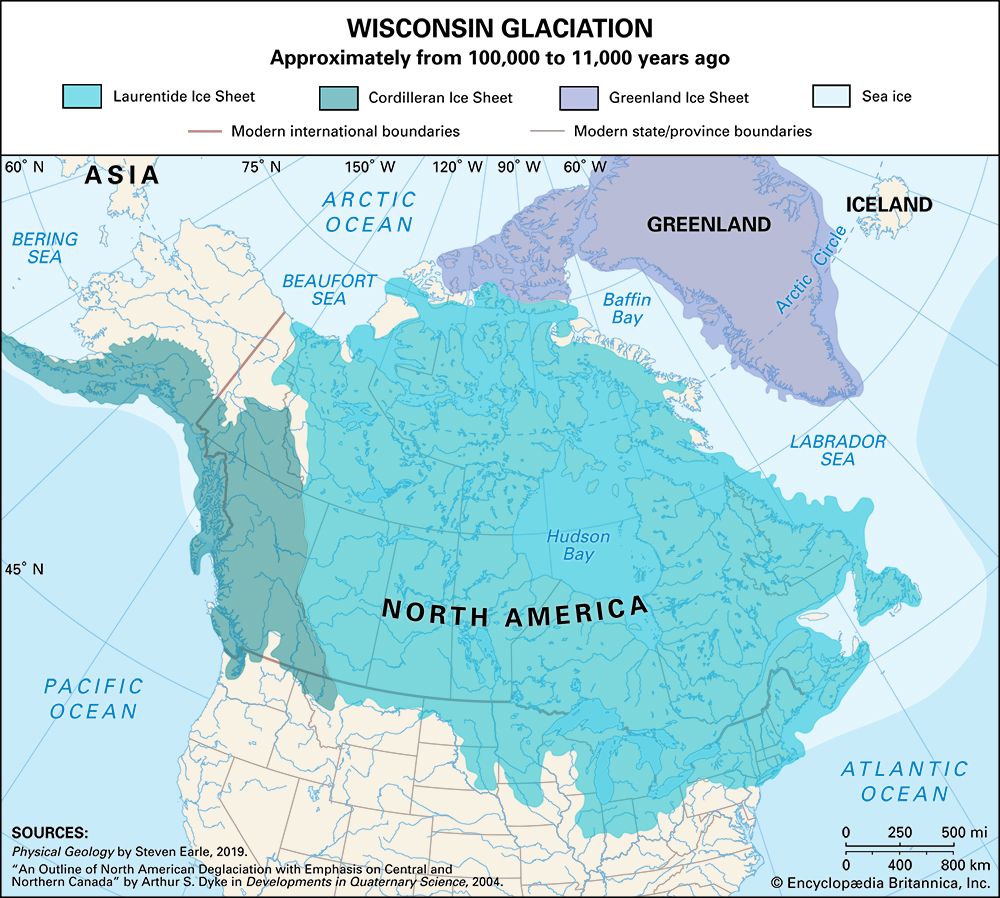
- Climate-Induced Starvation: Many researchers suggest that the species succumbed to starvation during the most recent ice age. This theory posits that environmental shifts during this period may have restricted the availability of necessary nutrients, particularly those required to support the growth of their massive antlers.1
- Survival into Warmer Periods: The traditional view that the species vanished strictly due to ice age conditions is challenged by fossil evidence found in Siberia. These remains have been dated to approximately 7,000–8,000 years ago, a time when the climate was significantly warmer. This suggests that the species persisted long after the end of the Pleistocene Epoch, indicating that factors other than cold-weather starvation likely contributed to their eventual extinction.1
What other megafauna existed alongside the Irish elk during the Pleistocene epoch?
The Pleistocene Epoch was a period defined by the presence of numerous large mammals, often referred to as megafauna. While the Irish elk inhabited Eurasia, many other giant species thrived across the globe during this time.
Notable Pleistocene Megafauna
The following animals were among the prominent megafauna that existed during the Pleistocene:
- Mammoths and Mastodons: These large proboscideans were widespread, with the woolly mammoth being particularly well-adapted to cold tundra environments.12
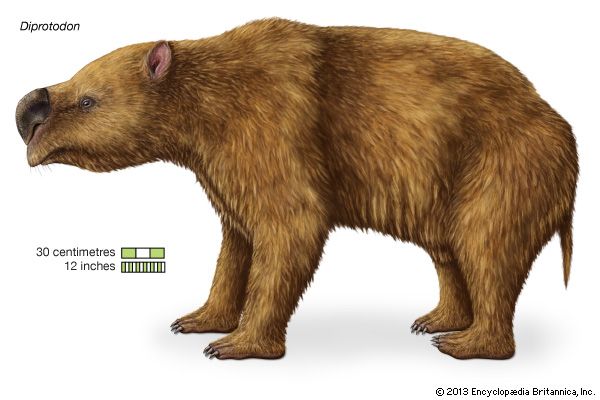
- Giant Herbivores: This category included the giant beaver, giant sloth, and the stag-moose. In Australia, the Diprotodon—the largest known marsupial—was a dominant megaherbivore.3
- Large Predators: The era featured formidable carnivores, such as sabre-toothed cats, dire wolves, cave bears, and the American lion.12
- Other Grazers and Browsers: The landscape supported various species including woolly rhinoceroses, camels, llamas, bison, and several species of horses.
The phenomenon of gigantism during this epoch is not fully understood, though it is often theorized to be an evolutionary response to colder climates, a defense mechanism against predators, or a result of an evolutionary arms race between predators and prey.1
How do scientists determine the age of Irish elk fossils?
Scientists determine the age of Irish elk fossils primarily through carbon-14 dating, a method used to estimate the time since an organism died by measuring the amount of residual radiocarbon in its tissues.8
Because living organisms continually replenish carbon-14 through the food chain, the amount of this isotope remains constant until death, after which it decays at a known, constant rate (with a half-life of 5,730 years). By measuring the remaining radiocarbon, researchers can date organic specimens from approximately 500 to 50,000 years old.8
To ensure accuracy, scientists must address potential issues such as:
- Contamination: Porous bone samples can be compromised by modern materials like rootlets or calcium carbonate. Techniques such as the isolation of collagen from bone are used to remove these contaminants.9
- Temporal Variations: Fluctuations in atmospheric carbon-14 levels over time are corrected using calibration curves derived from dendrochronology and other established records.9
- Precision: The use of an accelerator mass spectrometer allows for highly precise dating using very small samples, as it counts individual carbon-14 atoms rather than relying solely on radioactive decay.9
What was the Irish elk, and when did it live?
The Irish elk (Megaloceros giganteus) was a massive, extinct species of deer that stood as the largest known member of its family. Comparable in size to a modern moose, it is most famous for its extraordinary antlers, which could span up to 4 meters (about 13 feet) across and featured a distinctive, massive sheet-like structure with projecting tines.1
While the species is famously associated with the Pleistocene Epoch—which spanned from 2.6 million years ago to approximately 11,700 years ago—its timeline extends beyond that period. Although many scientists once believed the Irish elk perished during the most recent ice age, fossil evidence from Siberia indicates that the species survived until approximately 7,000–8,000 years ago, well into a period of warmer global temperatures. Though found throughout Eurasia, the species was particularly abundant in Ireland, where its remains are frequently discovered in peat deposits.13
Sources
- Irish elk — Encyclopædia Britannica
- Quaternary - Fauna and flora — Encyclopædia Britannica
- Irish elk — Merriam-Webster
- Pleistocene Epoch - Pleistocene fauna and flora — Encyclopædia Britannica
- megalodon - Predators and prey — Encyclopædia Britannica
- Pleistocene Epoch - Megafaunal extinctions — Encyclopædia Britannica
- Diprotodon — Encyclopædia Britannica
- carbon-14 dating — Encyclopædia Britannica
- dating - Carbon-14 dating and other cosmogenic methods — Encyclopædia Britannica
- geology - Paleontology — Encyclopædia Britannica
- mass spectrometry — Encyclopædia Britannica
- dating - Use of mass spectrometers — Encyclopædia Britannica
- Holocene Epoch - Faunal change — Encyclopædia Britannica
Published on · 3 min read