Iskŭr River
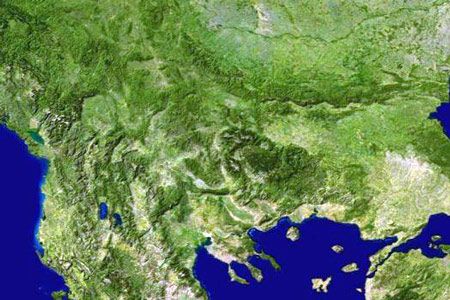
The Iskŭr River is the longest river in Bulgaria, excluding the Danube. It originates in the Rila Mountains south of Samokov, where it is formed by the…
What is Iskŭr River?
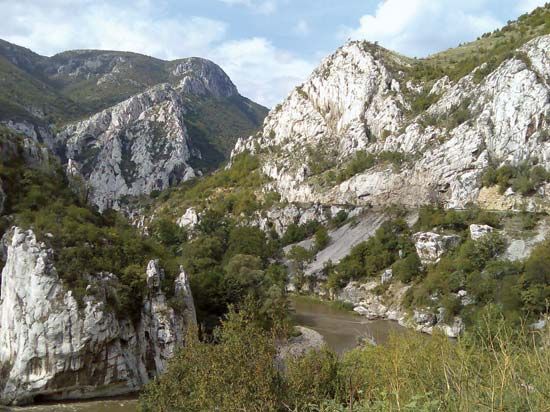
The Iskŭr River is the longest river in Bulgaria, excluding the Danube. It originates in the Rila Mountains south of Samokov, where it is formed by the confluence of the Beli (White) Iskŭr and Cherni (Black) Iskŭr headstreams.1
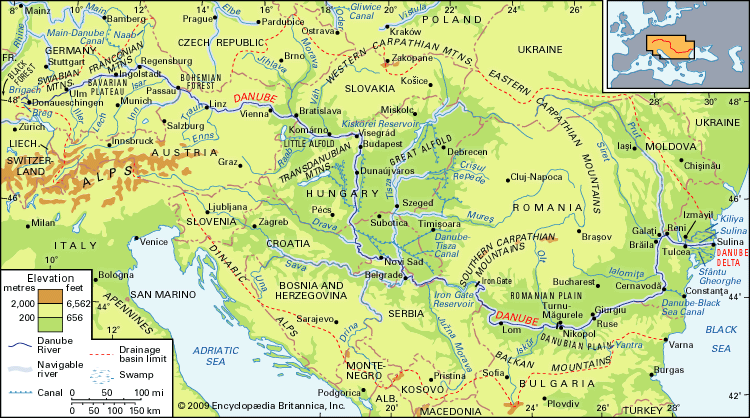
The river flows for 250 miles (402 km) before emptying into the Danube near Nikopol. A notable feature of its course is a 40-mile (65-km) gorge that cuts through the Balkan Mountains, connecting the high basin of Sofia to the Danube tableland. Along its lower course, the river supports a series of hydroelectric stations linked to the Iskŭr Reservoir, and its primary tributaries include the Malŭk Iskŭr and the Panega.1
What are the main mountain ranges in Bulgaria?
Bulgaria’s landscape is defined by several prominent mountain ranges that serve as vital climatic and geographic features. The primary ranges include:
Major Mountain Ranges
- Balkan Mountains: Serving as the chief range of the country, this system extends approximately 330 miles from the Serbian border to the Black Sea. It acts as a major climatic barrier between the Danube River valley and the southern regions, reaching its highest point at Botev peak.2
- Rila Mountains: Located in southern Bulgaria, this is the highest mountain range in the country and the entire Balkan Peninsula. It reaches its maximum elevation at Musala Peak, which stands at 9,596 feet (2,925 meters).34
- Pirin Mountains: Adjoining the Rila range to the south, the Pirin Mountains feature extensive alpine landforms and glacial lakes. Its highest point is Vikhren Peak, which reaches 9,560 feet (2,914 meters), making it the second-highest range in Bulgaria.54
- Rhodope Mountains: This ancient, undulating massif covers a large area of southern Bulgaria and extends into Greece. It serves as an important climatic barrier, protecting the Aegean lowlands from cold northern winds.54
Additionally, the Vitosha massif is located north of the Rila range, overlooking the Sofia basin, and the Belasitsa mountains form part of the country’s southern frontier.54
How do rivers like the Danube shape the landscape of Europe?
Rivers like the Danube are primary agents of landscape evolution, molding the Earth’s surface through the continuous processes of erosion and deposition. By transporting sediment-laden water, rivers transform nondescript geologic settings into distinct topographic forms, such as canyons, plains, and deltas.67
The Danube specifically shapes the European landscape through several mechanisms:
- Vertical and Lateral Erosion: In its upper course, the river cuts through rocky beds and mountain slopes, creating scenic, canyonlike valleys. As it reaches flatter terrain, it shifts its energy to lateral erosion, broadening its valley floor and creating expansive plains like the Great Alfold.68
- Sediment Deposition: When the river’s current slows, it loses its capacity to transport material, leading to the formation of islands, shoals, and fertile alluvial plains. The massive Danube delta at the Black Sea is a prime example of land construction, growing seaward as river-borne silt accumulates.69
- Structural Modification: Rivers can cut through mountain ranges, such as the Danube’s passage through the Iron Gate and the Carpathian Mountains, effectively linking different geographic basins.610
What is the importance of hydroelectric power in Bulgaria?
The provided search results do not contain information regarding the specific importance or contribution of hydroelectric power to Bulgaria’s energy sector. While the documents note that numerous dams have been constructed in the mountains and identify coal and nuclear power as the primary sources of the country’s electrical production, they do not provide data on the role of hydropower.1314
Sources
- Iskŭr River — Encyclopædia Britannica
- Rila — Encyclopædia Britannica
- Balkan Mountains — Encyclopædia Britannica
- Rhodope Mountains — Encyclopædia Britannica
- Bulgaria - South Bulgaria — Encyclopædia Britannica
- Danube River - Physiography — Encyclopædia Britannica
- river - Rivers as agents of landscape evolution — Encyclopædia Britannica
- river - Significance in early human settlements — Encyclopædia Britannica
- Danube River — Encyclopædia Britannica
- Europe - Topographic influences — Encyclopædia Britannica
- Danube River - Hydrology of Danube River — Encyclopædia Britannica
- river - Valley evolution — Encyclopædia Britannica
- Bulgaria - Resources and power — Encyclopædia Britannica
- Bulgaria - Drainage — Encyclopædia Britannica
Published on · 3 min read