Jungle Fowl
Modern domestic chickens (Gallus gallus domesticus) are primarily descended from the wild red jungle fowl (Gallus gallus) of India and Southeast Asia. While…
How are jungle fowl related to modern domestic chickens?
Modern domestic chickens (Gallus gallus domesticus) are primarily descended from the wild red jungle fowl (Gallus gallus) of India and Southeast Asia. While it was long believed that the red jungle fowl was the sole ancestor, recent genetic analysis indicates that other species within the genus Gallus also contributed to the domestic chicken’s lineage.123
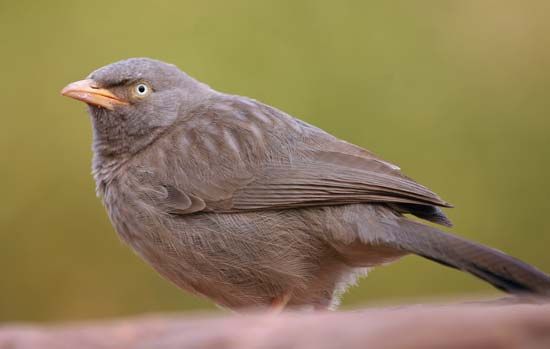
Specifically, the gray jungle fowl (G. sonneratii) of southern India is known to have contributed genes later in the domestication process, and it is likely that the Ceylon jungle fowl (G. lafayetti) was also involved in the development of the domestic species.13
Domestication likely occurred more than once, potentially beginning as early as 10,000 years ago in regions such as Vietnam or the Indus Valley, initially for religious purposes or for use in cockfighting. Today, domestic chickens share several behavioral and physical traits with their wild ancestors, including the presence of fleshy combs, lobed wattles, and similar courtship displays.231
Where are jungle fowl primarily found in the wild?
Jungle fowl are members of the genus Gallus and are native to various regions across Asia. Their primary habitats include:
- India: The gray jungle fowl (G. sonnerati) is found in southern India, and other species inhabit various parts of the country.1
- Sri Lanka: The Ceylon jungle fowl is native to this island nation.1
- Southeast Asia and Indonesia: Different species are distributed across Java and several other Indonesian islands.1
It is important to note that these birds are distinct from the Australian jungle fowl, which are classified as megapodes and belong to a different family.1
How do male and female jungle fowl differ in appearance?
Jungle fowl exhibit clear sexual dimorphism, meaning males and females differ significantly in their physical appearance and structure.15
In the case of the red jungle fowl, the primary differences include:
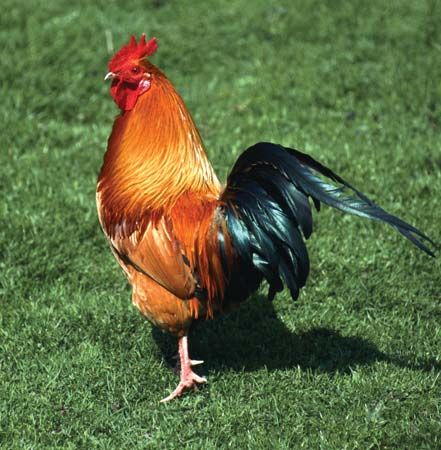
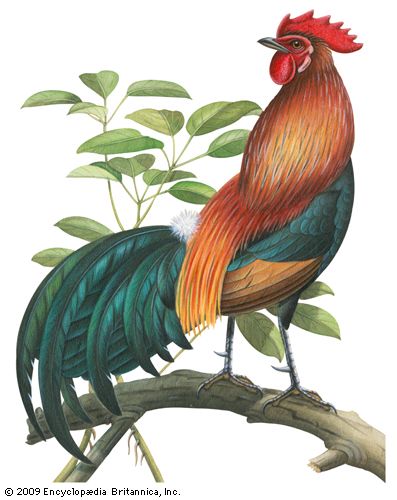
- Males (Cocks): They possess shining, silky plumage that is typically red on the head and back with green-black coloring elsewhere. They are also characterized by a prominent fleshy comb, lobed wattles hanging below the bill, and a high-arched tail.1
- Females (Hens): They are generally rusty brown in color with a speckled neck and a minimal comb.1
These differences are common among many bird species, where the male displays more brilliant colors and patterns to attract mates, while the female is often cryptically colored to remain concealed while nesting. The male’s appearance is a result of sexual selection, serving as a signal of health and vitality during courtship displays, where he may tilt his colorful mantle and back toward the hen.5617
How do jungle fowl behave in their natural habitat?
Jungle fowl, which belong to the genus Gallus, exhibit several distinct behavioral patterns in their natural habitat:
- Foraging: Like most members of the order Galliformes, jungle fowl spend much of their daylight hours foraging on the ground. They often use their feet to scratch through leaf litter to uncover food, which consists of a varied diet including insects, worms, and other invertebrates, as well as plant matter.1
- Roosting: Although they forage on the ground, jungle fowl typically seek safety by roosting on elevated perches at night.1
- Social and Reproductive Behavior: Jungle fowl appear to be monogamous under normal circumstances. During courtship, the male performs a display by drooping one wing and tilting his head, mantle, and back toward the hen to showcase his colorful plumage.10
- Aggression: Males often meet in selected arenas to engage in combat, using their sharp leg spurs to fight, sometimes to the death. This behavior is considered a natural precursor to cockfighting.10
Sources
- Jungle fowl — Encyclopædia Britannica
- Chicken — Encyclopædia Britannica
- 7 More Domestic Animals and Their Wild Ancestors — Encyclopædia Britannica
- jungle fowl — Merriam-Webster
- Sexual dimorphism — Encyclopædia Britannica
- jungle hen — Merriam-Webster
- Plumage — Encyclopædia Britannica
- Did you know? — Merriam-Webster
- Why are male animals more colorful? — Encyclopædia Britannica
- Galliform - Habitat selection and food habits — Encyclopædia Britannica
- Reproductive behaviour - Birds — Encyclopædia Britannica
Published on · 3 min read