Jungle Babbler
The term "jungle babbler" refers to any of approximately 32 species of songbirds that make up the tribe Pellorneini within the babbler family, Timaliidae.
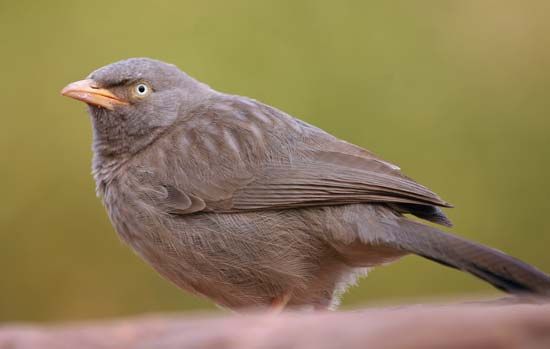
What is Jungle babbler?
The term “jungle babbler” refers to any of approximately 32 species of songbirds that make up the tribe Pellorneini within the babbler family, Timaliidae.1
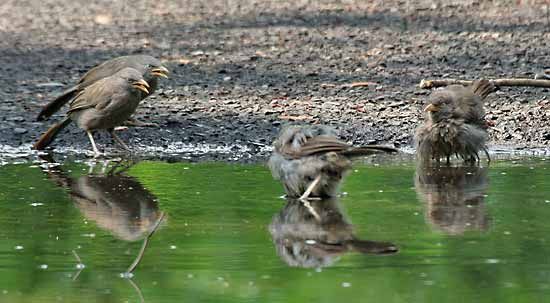
These birds are typically drab in appearance and possess slender, often hook-tipped bills. They are known for skulking in forest undergrowth and are found in regions ranging from Africa to Malaysia and the Philippines. A notable example is the striped jungle babbler (Pelloreum ruficeps) of Southeast Asia, which measures about 16 centimeters (6 1/4 inches) in length. This species is characterized by a reddish cap, a white eyeline, a dark greenish back, and a streaked white breast, and it is most commonly identified by its loud, two-note whistle.1
What are the main characteristics of the Timaliidae family?
The Timaliidae family, commonly known as babblers, comprises a diverse group of passerine birds. While the family includes a variety of forms that may not all be closely related, they share several defining physical and behavioral characteristics.2
Physical Characteristics
- Wings and Flight: Members are typically characterized by short, rounded wings featuring a large outer primary feather.2
- Bill Structure: The bill is often described as thrush-like, though variations exist; for instance, some groups like the jungle babblers possess slender, frequently hook-tipped bills.23
- Plumage and Size: Many species are relatively drab in color—often shades of black, gray, reddish, or brown—though some exhibit yellow or white underparts. Species such as the tit-babblers are chunky, ranging from 10 to 18 cm in length, and are noted for having fluffy plumage with hairlike feathers on the back.1
- Development: A notable biological trait of the family is that their young are unspotted.2
Behavioral Traits
These birds are generally known for their tendency to skulk in dense environments, such as forest undergrowth, scrub, and wetlands. While many are not considered strong singers, some species, such as the red-capped babbler, are known for their pleasant whistling.13
How do songbirds typically communicate in dense forests?
In dense forest environments, where visual contact is often limited, songbirds and other avian species rely heavily on auditory signals to communicate. Because dense cover obstructs sightlines, many forest-dwelling birds, such as galliformes, have evolved strong, far-reaching voices that range from musical whistles to harsh, piercing screams.5
These vocalizations serve several critical functions:
- Territorial Defense: Males often use loud, conspicuous calls—such as “crowing”—to advertise their presence and establish or maintain territories.65
- Social Cohesion: Pairs and flocks utilize soft location notes to stay together while navigating thick vegetation. Some species also use specific calls to identify and locate their mates or other group members.67
- Warning Systems: Alarm notes are essential for alerting others to the presence of predators. Many species possess distinct calls to differentiate between threats, such as a hawk overhead versus a predator on the ground.6
- Carrying Power: To ensure their messages penetrate dense foliage, some species have developed physical adaptations, such as elongated, looped tracheae (windpipes), which increase the volume and carrying power of their calls.5
What are some other types of birds found in Southeast Asian jungles?
Southeast Asian jungles are home to a vast array of avian species, many of which are uniquely adapted to the dense forest environment. Beyond the babblers, several other notable groups inhabit these regions:
- Pittas: Often called jewelthrushes, these shy, colorful birds are frequently found on the forest floor. They are known for their rapid hopping and for foraging in ground litter for insects and snails.8
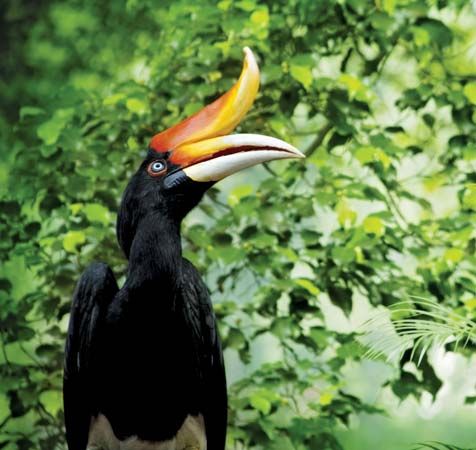
- Hornbills: These large, distinctive birds are highly developed in the Oriental region. They are easily recognized by their prominent bills, which in some species are topped with a bony casque or helmet.19
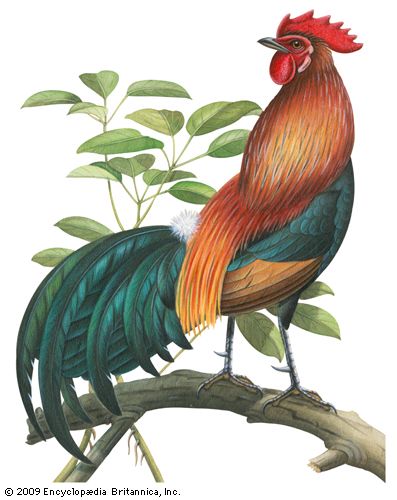
- Jungle Fowl: Unique to the Oriental region, these birds are the wild ancestors of all domesticated chickens. They are members of the pheasant family and are known for the males’ colorful plumage and comb.109
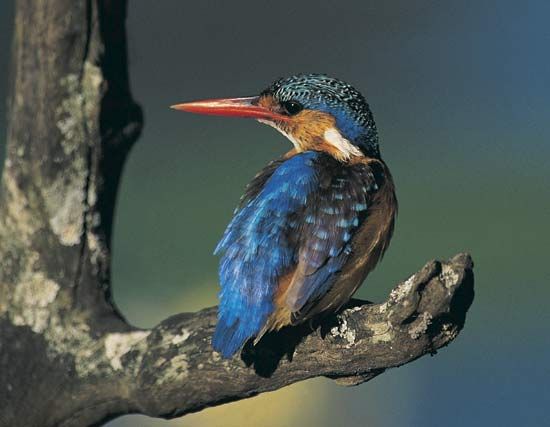
- Other Notable Species: The forests also host a variety of woodpeckers, barbets (known for their loud calls), cuckoos, and various pheasants. Additionally, kingfishers, drongos, and broadbills are widely distributed throughout these tropical habitats.911
Sources
- Jungle babbler — Encyclopædia Britannica
- Tit-babbler — Encyclopædia Britannica
- Timaliidae — Merriam-Webster
- Timalia — Merriam-Webster
- Bird - Sound — Encyclopædia Britannica
- sound reception - Uses of hearing in birds — Encyclopædia Britannica
- Galliform - Vocalizations — Encyclopædia Britannica
- Pitta — Encyclopædia Britannica
- Hornbill — Encyclopædia Britannica
- jungle fowl — Merriam-Webster
- Jungle fowl — Encyclopædia Britannica
- Asia - Birds — Encyclopædia Britannica
- Coraciiform - Distribution — Encyclopædia Britannica
Published on · 3 min read