Kimberley
The Kimberley region of northern Western Australia supports a diverse range of economic activities, primarily rooted in its natural resources and geography:
What are some of the major industries and economic activities in the Kimberley region?
The Kimberley region of northern Western Australia supports a diverse range of economic activities, primarily rooted in its natural resources and geography:
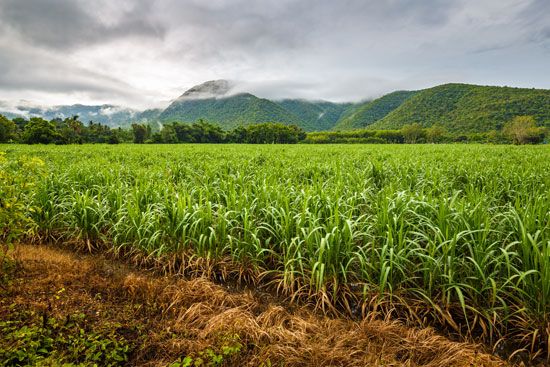
- Agriculture and Livestock: Beef cattle ranching is a foundational industry, with meat processing facilities located in Wyndham and Derby. Additionally, major irrigation projects along the Ord River and Fitzroy River support the cultivation of sugarcane, rice, and various semitropical crops1.
- Mining: The region is rich in mineral deposits. Diamonds are currently mined at the Argyle site, which is associated with kimberlite rock formations. There have also been historical gold rushes and findings of oil traces in the area.1
- Service and Development: Communities like Kununurra serve as essential service centers for regional development.1
(Note: The Kimberley region in South Africa is a distinct location known primarily for its historical and ongoing diamond-mining industry, as well as irrigated farming and cattle raising.)23
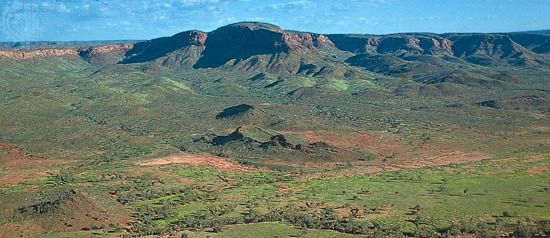
What is the geographical location and size of the Kimberley region in Australia?
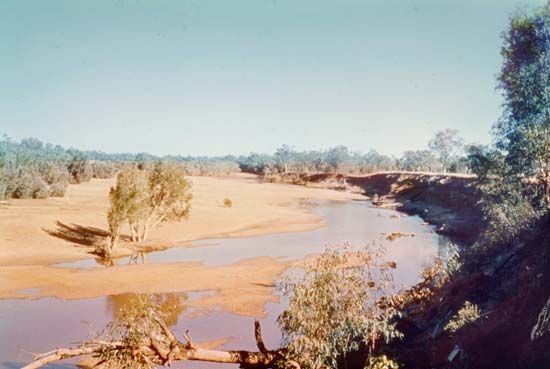
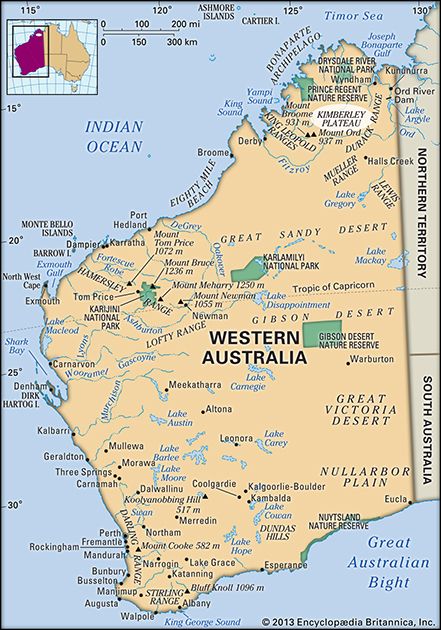
The Kimberley is a plateau region located in northern Western Australia. It extends from the rugged northwest Indian Ocean coast, reaching south to the Fitzroy River and east to the Ord River.
The region covers an area of approximately 162,000 square miles (420,000 square km). It is geographically defined as a statistical area comprising four shires: Broome, Halls Creek, Derby–West Kimberley, and Wyndham–East Kimberley.1
What unique wildlife species can be found in the Kimberley, and are any of them endangered?
The Kimberley region is home to unique terrestrial and marine ecosystems that host a diverse array of native species. Among the distinctive flora found in the region is the boab, a moisture-storing tree with close affinities to African and Indian baobabs, alongside widespread eucalypts and spinifex grass.56
Regarding wildlife, the broader state of Western Australia—which includes the Kimberley—supports approximately 150 species of mammals and hundreds of species of birds and reptiles, including various kangaroos, wallabies, possums, and bandicoots.6
While the Kimberley is recognized for its pristine environments, it faces significant conservation challenges. The introduction of invasive predators, such as foxes and feral cats, as well as habitat degradation caused by feral animals and weeds, has placed many species across Western Australia at risk. Consequently, the government has implemented the Kimberley Science and Conservation Strategy to manage protected areas and safeguard the region’s biodiversity through scientific research and land management practices like controlled burning.56
How has the Kimberley region’s history been shaped by European exploration and settlement?
European exploration and settlement of the Kimberley region in Australia were primarily driven by the search for economic resources. The region was named after John Wodehouse, 1st Earl of Kimberley, who served as the British colonial secretary during the late 19th century.
Permanent European settlement was spurred by an 1879 expedition led by Alexander Forrest, which identified the area’s potential for grazing. Following this, the region experienced a short-lived gold rush in the early 1880s. Despite the interest in mineral wealth, cattle herding became the foundation of the European economy. This expansion occurred against a backdrop of conflict with the local Indigenous population, who have inhabited the region for millennia and maintain a significant presence today with more than 100 Aboriginal communities.
In the 20th century, development shifted toward large-scale irrigation projects along the Ord River and Fitzroy River, leading to the establishment of Kununurra in the 1960s. Modern industry also includes diamond mining at the Argyle site.
Sources
- Kimberley — Encyclopædia Britannica
- Kimberley — Encyclopædia Britannica
- South Africa - Services — Encyclopædia Britannica
- Western Australia - Soils — Encyclopædia Britannica
- Australia - Conservation — Encyclopædia Britannica
- Western Australia - Plant and animal life — Encyclopædia Britannica
Published on · 3 min read