Klamath Mountains
The Klamath Mountains occupy a unique position within the Pacific mountain system of western North America. While the system's ranges are often visualized as…
How do the Klamath Mountains compare to other mountain ranges in the western United States?
The Klamath Mountains occupy a unique position within the Pacific mountain system of western North America. While the system’s ranges are often visualized as an elongated “H,” the Klamath Mountains form the east-west crossbar at the center, connecting the coastal ranges to the interior ranges like the Cascade Range and Sierra Nevada.1
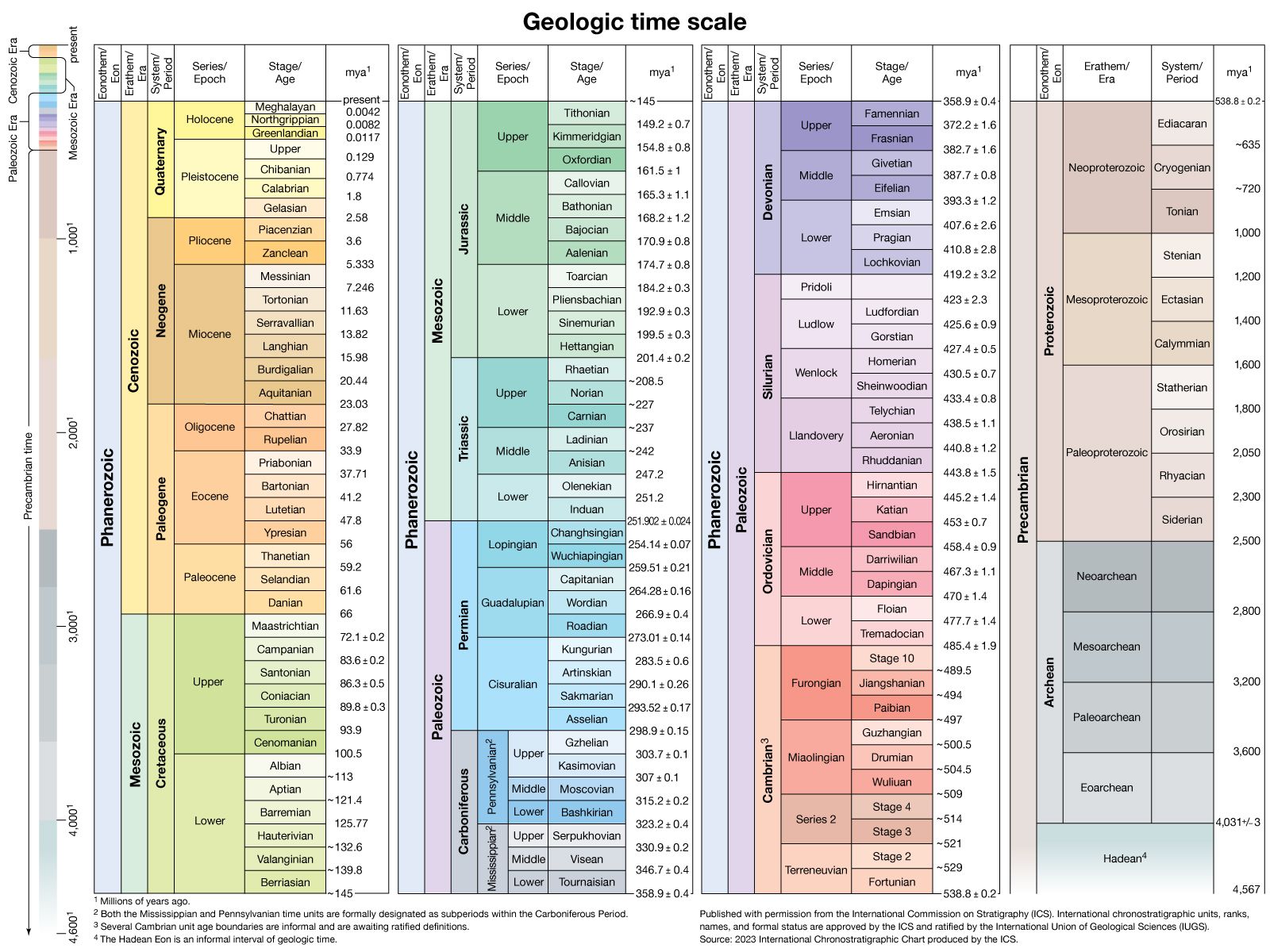
Structurally, the Klamath Mountains are distinct from their neighbors due to their age. They are the oldest of the Pacific coastal mountains, dating back to the early Paleozoic Era (approximately 500 million years ago), whereas other ranges like the Middle Cascades consist of much younger Cenozoic Era volcanics. Their complex geology likely resulted from tectonic plate collisions during the early Triassic Period, followed by granite batholith intrusions.1
Like many other western ranges, the Klamath Mountains have been heavily dissected by streams and glaciated at higher elevations. However, unlike the volcanic peaks of the Cascades, the Klamath range is characterized by deep river dissection, particularly by the Klamath and Rogue rivers.12
Where are the Klamath Mountains located within the United States?
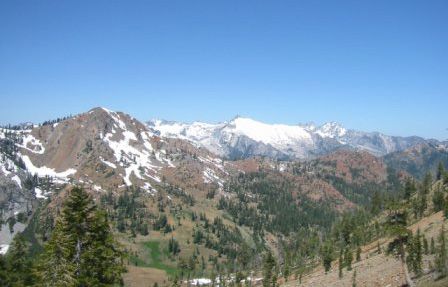
The Klamath Mountains are a segment of the Pacific mountain system located in the western United States. The range extends approximately 250 miles (400 km) southward, beginning in the foothills south of the Willamette Valley in southwestern Oregon and reaching into the northwestern portion of California, where they border the Central Valley.14
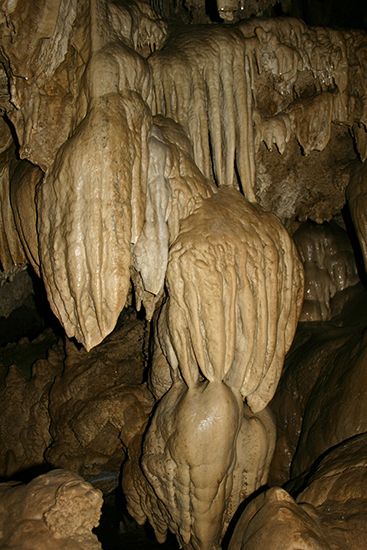
The mountains are characterized by deep river dissection and include several subranges, with Mount Eddy serving as the highest peak at 9,038 feet (2,755 meters). Much of the region is protected within national forests and conservation areas, such as the Oregon Caves National Monument.14
Are there any notable Native American tribes associated with the Klamath Mountains region?
The Klamath Mountains region is historically and culturally associated with several Indigenous groups, most notably the Klamath and Modoc peoples, as well as the Yurok tribe.156
- Klamath and Modoc: These tribes traditionally inhabited the southern Cascade Range and surrounding areas, including marshes and lakes. While they shared cultural traits and a language, they maintained autonomous village structures. In the 19th century, they were forced onto a reservation, leading to the Modoc War of 1872–73. Both tribes regained federal recognition in 1986.5
- Yurok: The Yurok people traditionally lived along the lower Klamath River and the Pacific coast. Their culture combined elements of Northwest Coast Indians and California Indians. The Yurok have been instrumental in modern environmental efforts, notably leading the project to remove dams on the Klamath River to restore salmon populations.76
- Other Groups: The northwestern California province also includes groups such as the Karok, Wiyot, and Hupa.3
What is the highest peak in the Klamath Mountains, and how tall is it?
The highest peak in the Klamath Mountains is Mount Eddy, located in the state of California. It reaches an elevation of 9,038 feet (2,755 meters).41
Sources
- Klamath Mountains — Encyclopædia Britannica
- Pacific mountain system - Physiography — Encyclopædia Britannica
- Klamath River — Encyclopædia Britannica
- Klamath Mountains — Merriam-Webster
- Modoc and Klamath — Encyclopædia Britannica
- Indigenous peoples of California: Top Questions — Encyclopædia Britannica
- Northwest Coast Indian: Top Questions — Encyclopædia Britannica
- Yurok — Encyclopædia Britannica
Published on · 2 min read