Cascade Range
The Cascade Range is a prominent segment of the Pacific mountain system, characterized by a "low" range of upwarped lava topped by a chain of magnificent…
What are some of the most notable peaks in the Cascade Range?
The Cascade Range is a prominent segment of the Pacific mountain system, characterized by a “low” range of upwarped lava topped by a chain of magnificent, glacier-clad volcanoes1.1
Some of the most notable peaks in the range include:
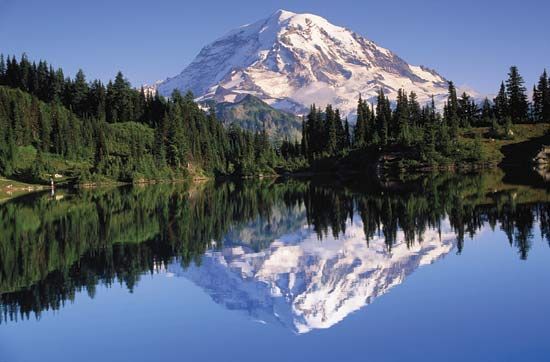
- Mount Rainier: Located in Washington, it is the highest peak in the Cascade Range, reaching an elevation of 14,410 feet (4,392 meters).21
- Mount Hood: Standing at 11,235 feet (3,424 meters), it serves as the highest point in Oregon.1
- Mount Baker: A significant peak in the northern part of the range, reaching 10,778 feet (3,285 meters).1
- Lassen Peak: Situated in northern California, this peak reaches 10,457 feet (3,187 meters) and is known for its relatively recent volcanic activity.13
- Mount St. Helens: While its elevation was altered by its major 1980 eruption, it remains one of the most famous and active volcanoes in the range.213
What types of wildlife are commonly found in the Cascade Range ecosystem?
The Cascade Range supports a diverse array of wildlife, ranging from large mammals to specialized avian and insect species. The ecosystem’s varied habitats, including coniferous forests, riparian zones, and meadows, provide essential resources for many animals.45
Notable Wildlife
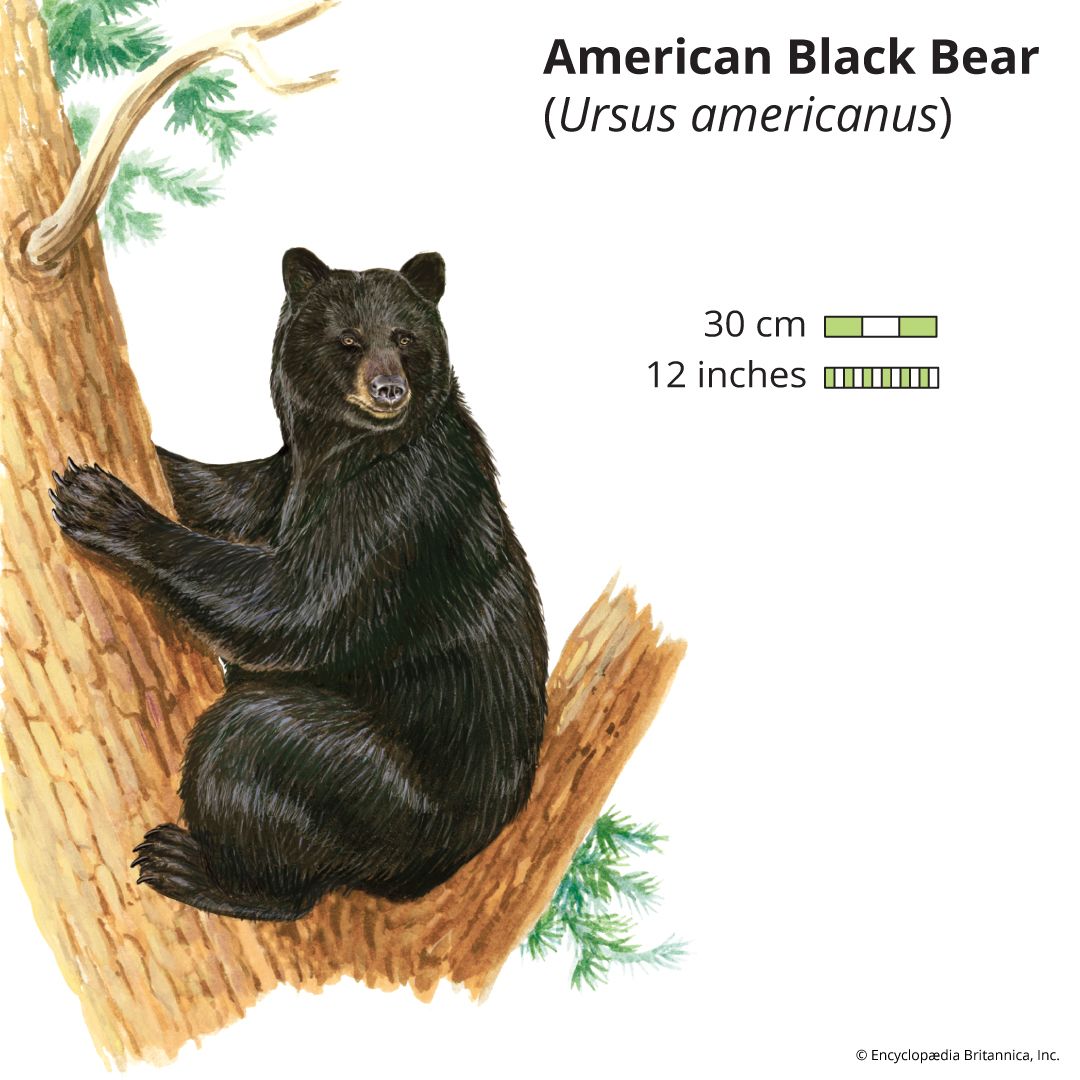
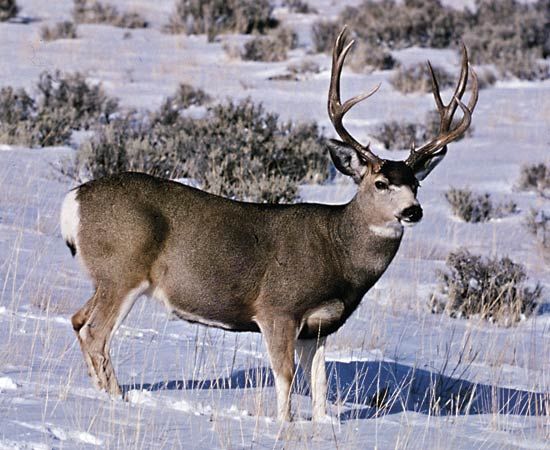
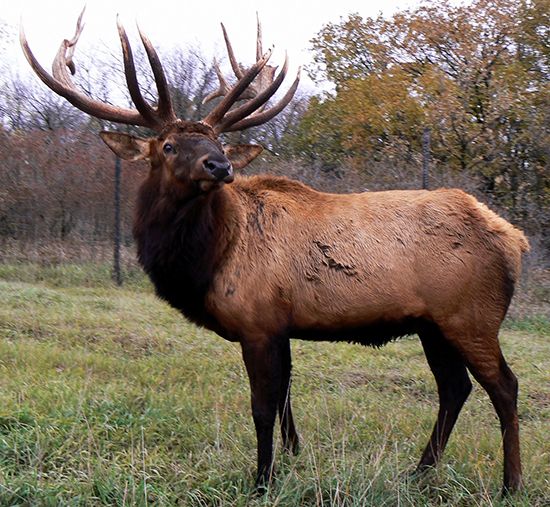
- Large Mammals: The range is home to black bears and several species of deer, including black-tailed deer and mule deer on the eastern slopes. Elk are also present in the region.45
- Predators: Members of the cat family, such as the lynx, bobcat, and puma (mountain lion), inhabit the Pacific mountain system.4
- Birds: The region provides habitat for raptors and forest-dwelling birds, including peregrine falcons and spotted owls.5
- Aquatic Life: Streams draining the mountains are vital for anadromous salmon, including pink, chum, coho, sockeye, and chinook species. Additionally, beavers are found in the region and are protected in most areas.4
- Invertebrates: Areas such as the Cascade-Siskiyou National Monument are noted for a wide variety of butterflies and freshwater snails.5
How does the Cascade Range contribute to the water resources of the Pacific Northwest?
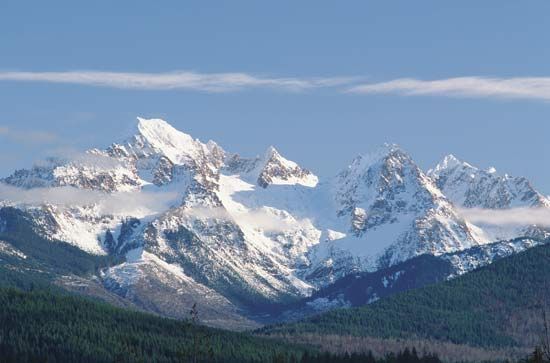
The Cascade Range serves as a critical water source for the Pacific Northwest by acting as an orographic barrier that captures significant moisture from the Pacific Ocean. As storms move inland, the range forces air upward, resulting in heavy precipitation on the western slopes, which often exceeds 100 inches (2,500 mm) annually. A substantial portion of this moisture is stored as snow at higher elevations, providing a vital reservoir that sustains water flow throughout the year.6
This abundant water supply is essential for several regional needs:
- Hydroelectric Power: The range’s water resources are a primary driver for the generation of hydroelectric power, supporting the energy demands of the region.2
- Irrigation and Industry: The consistent runoff from the mountains provides the necessary water for large-scale irrigation and industrial activities.2
- River Systems: The mountains function as a headstream region for major waterways, including the Willamette River, which are fundamental to the geography and economy of the Pacific Northwest.2
What are some popular outdoor recreational activities in the Cascade Mountains?
The Cascade Mountains offer a wide variety of outdoor recreational opportunities, particularly during the warmer months, thanks to the region’s diverse landscape and extensive public lands.82
Popular Activities
- Hiking and Backpacking: The range features an extensive network of trails, including the Pacific Crest National Scenic Trail, which traverses the mountains. Visitors frequently engage in day hiking and overnight backpacking trips to explore the alpine meadows and forested terrain.910
- Mountaineering and Climbing: The Cascades are a premier destination for mountain climbing. Mount Rainier is particularly well-known as a top venue for climbing and mountaineering instruction, with thousands of people attempting the summit annually. Rock climbing is also a popular pursuit in the region’s national parks and recreation areas.911210
- Winter Sports: During the winter, the mountains are a favorite destination for skiing and snowboarding. Additionally, trails that remain accessible during the colder months are popular for cross-country skiing.210
- Water-Based Recreation: The numerous lakes and rivers within the range support activities such as boating, canoeing, kayaking, and rafting.210
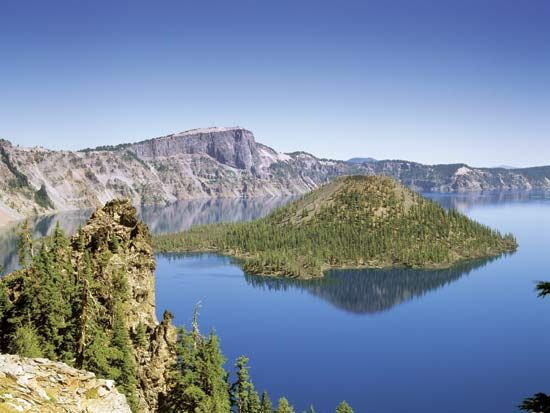
These activities are supported by the region’s national parks, including Mount Rainier National Park, North Cascades National Park, and Crater Lake, as well as various national forests and state parks.82
Sources
- United States - The Western Cordillera — Encyclopædia Britannica
- Cascade Range — Encyclopædia Britannica
- Pacific mountain system - Geology — Encyclopædia Britannica
- Pacific mountain system - Animal life — Encyclopædia Britannica
- Cascade-Siskiyou National Monument — Encyclopædia Britannica
- Pacific mountain system - Climate — Encyclopædia Britannica
- Pacific mountain system - Physiography — Encyclopædia Britannica
- Mount Rainier National Park — Encyclopædia Britannica
- Washington - Sports and recreation — Encyclopædia Britannica
- Mount Rainier — Encyclopædia Britannica
- North Cascades National Park — Encyclopædia Britannica
Published on · 4 min read