Kola Peninsula
The Kola Peninsula features a diverse range of flora and fauna adapted to its harsh subarctic environment. The landscape is primarily divided between tundra…
What are some of the unique flora and fauna found on the Kola Peninsula?
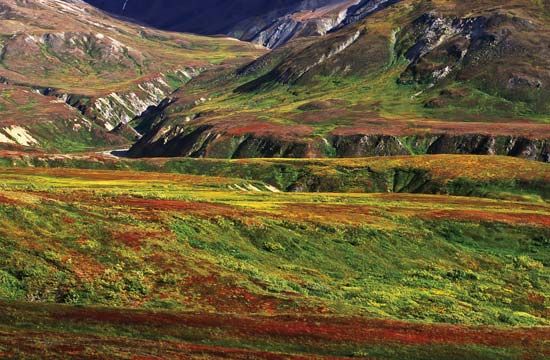
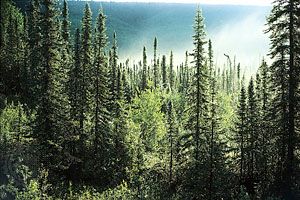
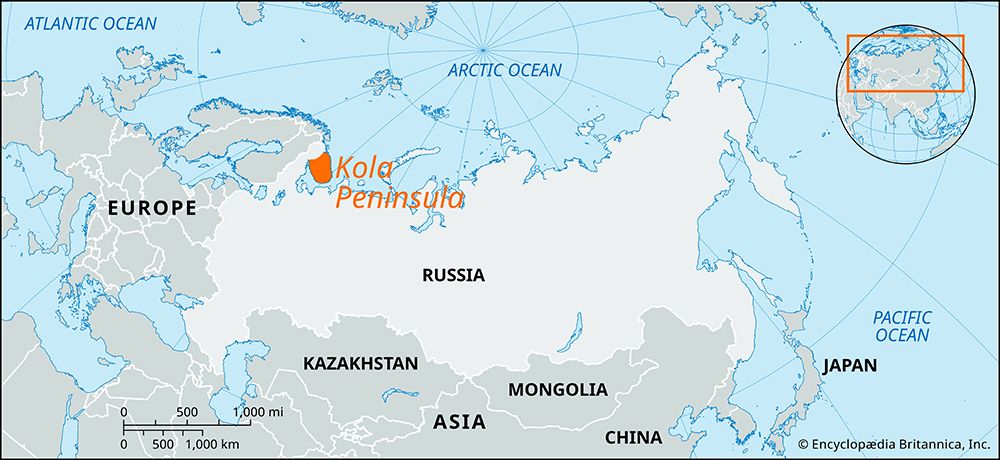
The Kola Peninsula features a diverse range of flora and fauna adapted to its harsh subarctic environment. The landscape is primarily divided between tundra in the north and taiga in the south1.
Flora
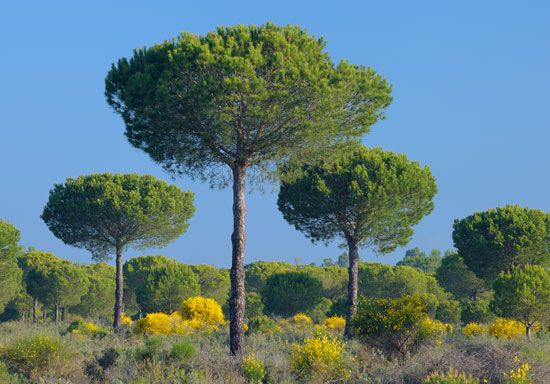
The northern tundra is characterized by mosses, lichens, and dwarf Arctic birch. In the Lapland Nature Reserve, vegetation includes reindeer moss, pine, fir, and open forests of downy and silver birch. Mountain lichen tundra areas also support willow, rhododendron, and mountain aven. The southern regions feature swampy forests consisting of birch, spruce, and pine, alongside widespread sphagnum bogs.12
Fauna
The peninsula is home to a variety of wildlife, including:
- Mammals: Reindeer, brown bear, elk, pine marten, otter, and wolverine. Introduced species include the muskrat, beaver, and American mink.2
- Birds: Ptarmigan, golden eagle, osprey, grouse, and the Siberian tit and jay.2
The region is particularly significant for its reindeer populations, which are central to the traditional herding practices of the indigenous Sami people.12
What are the major industries and economic activities on the Kola Peninsula?
The economy of the Kola Peninsula is primarily driven by industrial activities, with mining and maritime operations serving as the most significant sectors.
Mining and Industry
The peninsula is a major center for mining, particularly in the Khibiny Mountains near the towns of Kirovsk and Apatity. The region holds the world’s largest deposits of apatite, which is essential for fertilizer production. Other key minerals extracted include nephelinite—a source of aluminum—as well as zirconium and columbium. Aluminum smelting is a notable industrial activity, with facilities located on the peninsula and in Kandalaksha. Additionally, some timber working occurs in the southern regions.1
Maritime and Fishing
The port city of Murmansk is the economic hub of the region. Its ice-free harbor provides Russia with vital access to the Atlantic and global sea routes. Major economic activities in Murmansk include:
- Fishing and Fish Processing: The city is a primary fishing port, and its processing facilities are among the largest in Europe.4
- Shipbuilding: This remains a key industrial pillar for the city.4
While coastal populations rely heavily on fishing, the interior is sparsely populated, with the indigenous Sami people traditionally engaged in reindeer herding.1
What is the climate like on the Kola Peninsula, and how does it affect the local ecosystem?
The Kola Peninsula experiences a subarctic maritime climate, significantly influenced by the North Cape Current. This oceanic current brings relatively warm water to the northern coast, which helps moderate winter temperatures and contributes to high levels of precipitation and frequent storminess in the region. Despite this maritime influence, the peninsula is characterized by extremely severe, long winters and short, cool summers.718
Impact on the Ecosystem
The climate is the primary driver of the peninsula’s ecological zonation:
- Vegetation Distribution: The harsh conditions dictate a clear divide in plant life. The northern areas are dominated by tundra—consisting of mosses, lichens, and dwarf Arctic birch—while the southern regions support taiga or swampy forests of birch, spruce, and pine.1
- Soil and Terrain: The cold climate contributes to the development of thin, poorly formed soils and widespread sphagnum bogs, which are common across the landscape.1
- Wildlife Adaptation: Local fauna, such as reindeer, have adapted to these subarctic conditions. However, the ecosystem is sensitive; for instance, in the Lapland Nature Reserve, fluctuations in climate and environmental stressors—including industrial pollution—have historically impacted the health and population stability of reindeer herds by depleting their lichen pastures.8
What is the significance of the Kola Peninsula in terms of mineral resources?
The Kola Peninsula is a vital industrial region for Russia, serving as a significant source of diverse mineral resources essential for both domestic and global markets. Its economy is heavily centered on mining, particularly within the Khibiny Mountains near the towns of Kirovsk and Apatity.1
Key mineral resources and their significance include:
- Apatite: The peninsula holds the world’s largest deposits of apatite, a mineral rich in phosphorus that is critical for the production of fertilizers.1
- Aluminum Sources: The region produces nephelinite, which serves as a source for aluminum, with smelting operations located on the peninsula and in Kandalaksha.1
- Rare and Industrial Metals: The area is a source of zirconium, columbium, and loparite. Loparite is particularly significant as it is mined for titanium, niobium, and tantalum, with rare-earth elements extracted as valuable by-products.112
- Iron Ore: The peninsula also contributes to Russia’s significant iron ore production.13
Sources
- Kola Peninsula — Encyclopædia Britannica
- Lapland Nature Reserve — Encyclopædia Britannica
- Russia - Tundra — Encyclopædia Britannica
- Murmansk — Encyclopædia Britannica
- Barents Sea — Encyclopædia Britannica
- Russia - Fishing — Encyclopædia Britannica
- Arctic - Climate of the Arctic — Encyclopædia Britannica
- South Korea - Climate — Encyclopædia Britannica
- North Cape Current — Encyclopædia Britannica
- Climate - Thermohaline circulation — Encyclopædia Britannica
- permafrost - Effects of solar radiation, vegetation, and snow cover — Encyclopædia Britannica
- Russia - Resources and power — Encyclopædia Britannica
- rare-earth element - Loparite — Encyclopædia Britannica
Published on · 3 min read