Pine
Pines (genus Pinus) are evergreen conifers characterized by their needlelike leaves, which grow in bundles (fascicles) of two to five, though some species…
What are the defining characteristics of pine trees in the Pinus genus?
Pines (genus Pinus) are evergreen conifers characterized by their needlelike leaves, which grow in bundles (fascicles) of two to five, though some species vary. Botanists generally divide the genus into two subgenera: soft pines (Haploxylon) and hard pines (Diploxylon).12
Key Physical Traits
- Leaves: Pines possess three leaf types: primordial, scale, and adult. The adult needles remain on the tree for 2 to 17 years.2
- Growth Form: Young trees are typically conical with whorled branches, while older specimens often develop spreading or flat crowns. Most species feature thick, furrowed bark.2
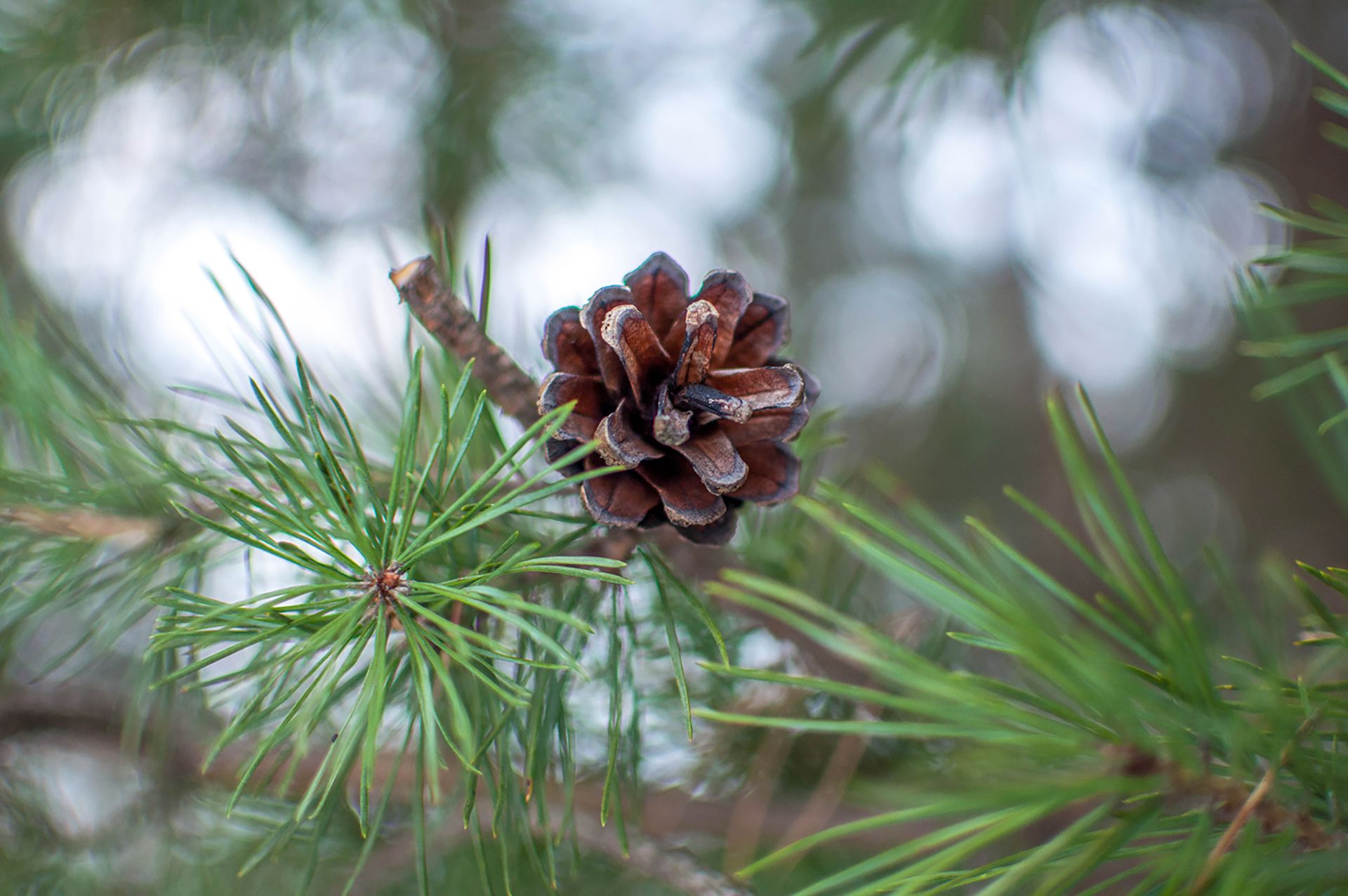
- Reproduction: Pines are monoecious, bearing both male and female cones on the same tree. Female cones contain two ovules per scale; in pines, the bracts typically fuse to the scales as the cones mature.32
- Subgenera Differences: Soft pines have needles in bundles of five, lack prickles on cone scales, and contain little resin. Hard pines typically have needles in bundles of two or three, possess prickles on their cone scales, and are highly resinous.2
How many species of pine trees exist, and where are they primarily found?
There are approximately 115 species of pine trees within the genus Pinus.2
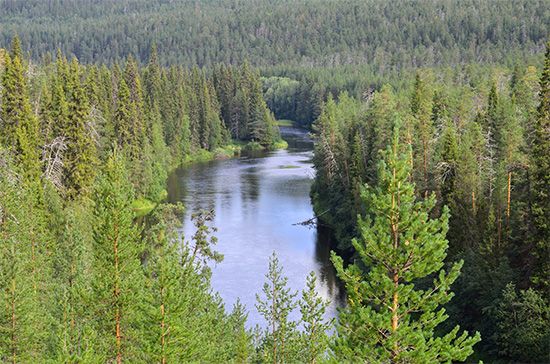
These trees are native primarily to northern temperate regions of the world. They are key constituents of coniferous forests, taiga, and mixed forests across the Northern Hemisphere. While they are most abundant in northern latitudes, their distribution extends into the tropics and across various mountain systems.24
Pines are widely distributed across North America and Eurasia, with specific species adapted to diverse environments ranging from coastal sand dunes and salt marshes to high-altitude mountain slopes. For example, the Scotch pine is considered the most widely distributed pine species in the world, with a range stretching from northern Scotland across Europe to the Russian Pacific shore.5467
What are some of the most common pests and diseases that affect pine trees?
Pine trees are susceptible to a variety of pests and diseases that can impact their growth, health, and survival. Forest management often focuses on mitigating these threats through monitoring, sanitation, and the selection of resistant varieties.8
Common Pests
Insects are responsible for significant damage to standing timber, often boring into the tree to feed or disrupt nutrient flow.8
- Bark Beetles: Species such as Dendroctonus and Ips are among the most destructive. They create channels beneath the bark that disrupt the flow of food to the roots, which can kill the tree.8
- Pine Weevils: These wood-boring beetles, such as the white pine weevil, often target the central growth shoot. This damage forces side shoots to take over, resulting in deformed, bent trunks that reduce the tree’s value as lumber.3
- Other Insects: Pines are also frequently attacked by sawflies, pine tip moths, and various defoliating caterpillars.98
Common Diseases
Fungal infections are a primary cause of disease in pines, often entering through wounds or spreading via spores.108
- Blister Rust: Caused by rust fungi of the genus Cronartium, this disease affects pines of all ages. White pine blister rust is particularly virulent, causing external blisters on the trunk and weakening the tree, making it more vulnerable to bark beetles.10
- Heartrot: Fungi that cause wood decay can enter the tree through fire scars, broken limbs, or other wounds, significantly reducing the lifespan of many conifers.8
- Root Rot: The white root-rot fungus (Fomes annosus) is a serious agent of decay that spreads underground through root grafts, often gaining entry via the exposed surfaces of freshly felled stumps.8
- Parasitic Plants: Pines are also susceptible to infestations by dwarf mistletoes, which can weaken the host tree.9
What are some unique species of pine trees, and what makes them special?
The genus Pinus includes a diverse array of species, many of which possess unique adaptations and historical significance. Here are some of the most notable:
- Great Basin Bristlecone Pine (Pinus longaeva): Renowned as one of the oldest non-clonal organisms on Earth, some individuals have been dated to over 5,000 years old. These trees survive in harsh, high-altitude environments, often becoming gnarled and contorted over millennia.123
- Sugar Pine (Pinus lambertiana): This is the largest known pine species, capable of reaching heights of 60 to 70 meters (197 to 230 feet). It is also famous for producing the longest cones of any pine, which can grow up to 61 cm (24 inches) in length.3
- Ponderosa Pine (Pinus ponderosa): A vital North American species, it is distinguished by its fragrant bark, which smells like vanilla or butterscotch. Its deep root system and thick bark provide excellent protection against wildfires and lightning.13
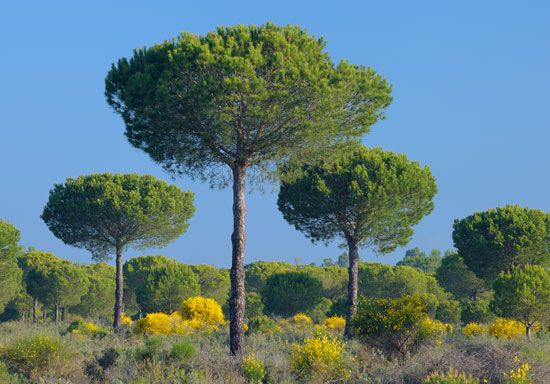
- Italian Stone Pine (Pinus pinea): Often called the umbrella pine, this Mediterranean tree is iconic for its spreading, rounded canopy. It has been prized since the days of ancient Rome for its edible seeds, known as pignoli.4
- Torrey Pine (Pinus torreyana): This is the least widely distributed of all known pine species, found only in a very narrow coastal strip near San Diego, California, and on Santa Rosa Island.3
Sources
- Pinaceae — Encyclopædia Britannica
- pine — Encyclopædia Britannica
- pine - Physical description and natural history — Encyclopædia Britannica
- pine - Major North American pines — Encyclopædia Britannica
- Taiga - Trees — Encyclopædia Britannica
- conifer - Distribution and abundance — Encyclopædia Britannica
- pine - Major Eurasian pines — Encyclopædia Britannica
- blister rust — Encyclopædia Britannica
- pine weevil — Encyclopædia Britannica
- forestry - Insect and disease control — Encyclopædia Britannica
- Wilt — Encyclopædia Britannica
- bristlecone pine — Encyclopædia Britannica
- ponderosa pine — Encyclopædia Britannica
- stone pine — Merriam-Webster
Published on · 4 min read