Briard
The briard is a large, long-coated sheepdog breed that originated in France. Known in its home country as the berger de Brie (sheepdog of Brie), the breed…
What is briard?
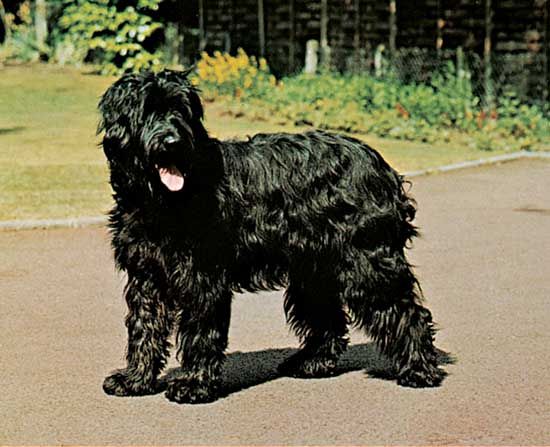
The briard is a large, long-coated sheepdog breed that originated in France. Known in its home country as the berger de Brie (sheepdog of Brie), the breed has been documented in French records as far back as the 12th century and appears in medieval tapestries.12
Physically, the briard is a lithe and strongly built dog, typically standing between 22 and 27 inches tall and weighing approximately 80 pounds. It is characterized by its bushy eyebrows and a long, water-resistant coat that usually comes in black, gray, or tawny colors. While historically developed for herding, the breed’s intelligence and strength have made it versatile, leading to its use in guard, police, and military roles.1
What other dog breeds were historically used for herding?
Herding dogs have been selectively bred for centuries to assist in managing livestock, with their development closely tied to the domestication of animals during the Neolithic Period. These breeds are characterized by their intelligence, agility, and ability to respond to subtle commands like whistles or hand signals.34
Beyond the Briard, many other breeds have historically served as skilled herders:
- Australian Cattle Dog: A sturdy, compact breed developed in Australia from several sources, including dingoes and Dalmatians.34
- Australian Shepherd: A lithe, agile dog descended from shepherd dogs of the Basque region.34
- Bearded Collie: A Scottish breed with a shaggy coat that dates back to the 1500s.34
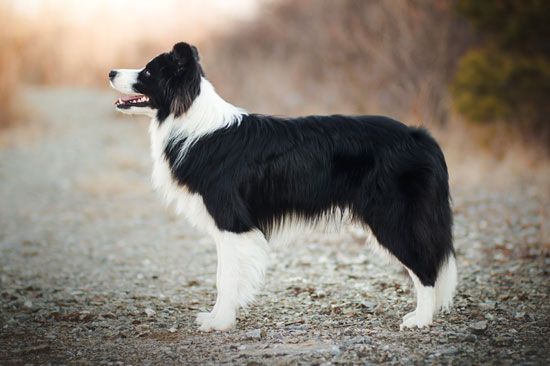
- Border Collie: Widely considered an outstanding sheep herder, known for using a hypnotic stare to direct flocks.34
- German Shepherd: A highly recognizable, well-muscled breed from Germany.34
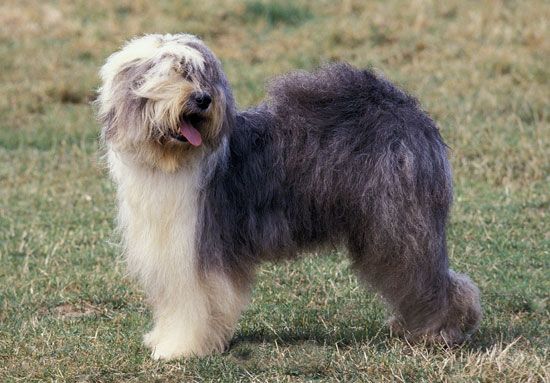
- Old English Sheepdog: An English breed known for its profuse, shaggy coat and distinctive bark.34
- Puli: A Hungarian breed with a unique, corded coat.34
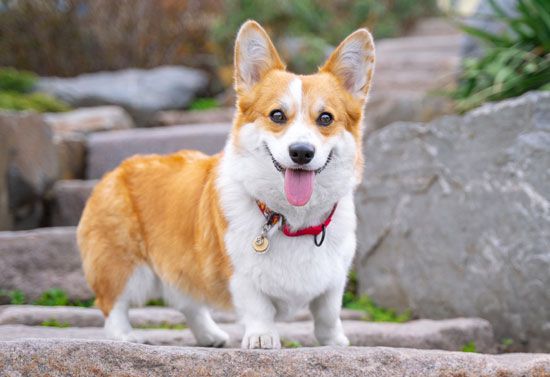
- Welsh Corgi: Including both the Cardigan and Pembroke varieties, these are small, low-set dogs originally used for herding.34
How do sheepdogs differ from guard dogs?
Herding dogs and guard dogs are both categorized as working breeds, but they were developed for distinct roles and exhibit different instinctive behaviors.
Herding Dogs
Herding dogs are bred to manage livestock by moving them across terrain. They are characterized by their high energy, agility, and ability to respond to subtle human cues, such as whistles or hand signals. Their methods vary by breed: some use barking, circling, and nipping at heels to drive a flock, while others, like the Border Collie, use a silent, hypnotic stare to direct movement. Because they are bred to evaluate situations and complete specific tasks, they often possess a business-like disposition.356
Guard Dogs
Guard dogs are primarily bred to protect people, property, or territory. Unlike herding dogs, which focus on movement and control, guard breeds are defined by their protective instincts. Breeds such as the Great Pyrenees, Komondor, and Kuvasz are specifically bred to guard livestock, often living among the animals from puppyhood to reinforce their protective nature. Other guard breeds, such as the Rottweiler or Doberman Pinscher, are frequently utilized for personal protection or in law enforcement settings.674
What are some common traits of French dog breeds?
French dog breeds do not share a single set of universal traits, as they have been developed for vastly different purposes ranging from companionship to heavy-duty working roles. Because these breeds were bred for specific environments and tasks, their characteristics vary significantly:
- Physical Diversity: Breeds range from the small, compact French Bulldog, which stands only 11–13 inches tall, to larger, more robust working dogs like the Briard and the Bouvier des Flandres, which can weigh up to 80–88 pounds.
- Working Ability: Many French breeds were historically developed for labor. The Briard is a traditional sheepdog, while the Bouvier des Flandres was bred for cattle-driving and has a history of serving as a messenger and ambulance dog in military contexts.89
- Temperament: While the French Bulldog is known for a joyful, clownish, and affectionate disposition, working breeds like the Bouvier des Flandres are noted for their rugged working ability and are often utilized for guard or police work.19
- Anatomical Considerations: Some breeds, such as the French Bulldog, are brachycephalic (short-nosed), which requires owners to be mindful of respiratory health and heat sensitivity.1
Sources
- briard — Encyclopædia Britannica
- briard — Merriam-Webster
- dog - Herding dogs — Encyclopædia Britannica
- herding dog — Encyclopædia Britannica
- working dog — Encyclopædia Britannica
- dog - Working dogs — Encyclopædia Britannica
- dog - Breed-specific behaviour — Encyclopædia Britannica
- French Bulldog — Encyclopædia Britannica
- French bulldog — Merriam-Webster
- bouvier des Flandres — Encyclopædia Britannica
Published on · 3 min read