Kyoga Lake
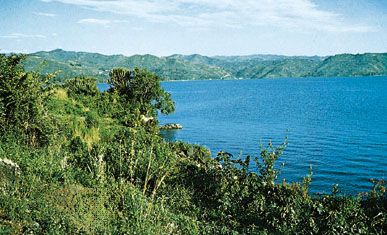
Kyoga Lake (also spelled Kioga) is a shallow, many-armed lake located in central Uganda, situated north of Lake Victoria. It is formed by the Victoria Nile…
What is Kyoga Lake?
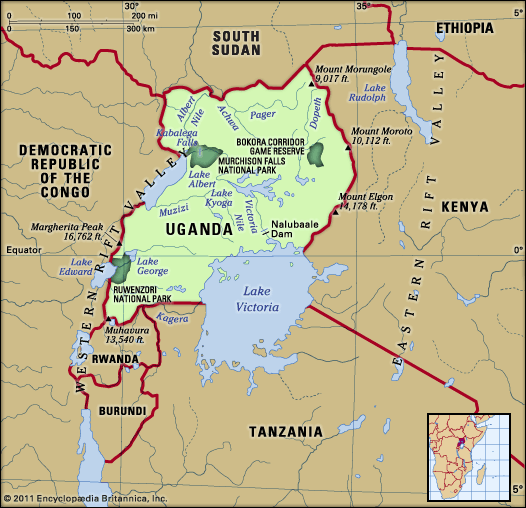
Kyoga Lake (also spelled Kioga) is a shallow, many-armed lake located in central Uganda, situated north of Lake Victoria. It is formed by the Victoria Nile as it flows through its middle course.12
The lake sits approximately 3,390 feet (1,033 metres) above sea level and stretches about 80 miles (129 km) in length. Its shores are characterized by swampy, papyrus-reeded vegetation. Strong winds often break these masses of papyrus loose, which can occasionally block the river. While navigation is limited, it is possible for shallow-draft vessels to travel between Namasagali and Masindi Port.1
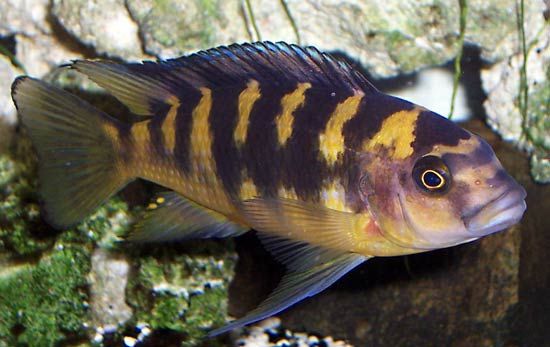
Ecologically, the lake is part of a distinct faunal province shared with Lake Victoria, containing many unique species. It is particularly rich in Cichlidae fish, with between 100 and 200 species of the family found in the two lakes.3
How does the Victoria Nile influence the geography of Lake Kyoga?
The Victoria Nile plays a fundamental role in the geography of Lake Kyoga by serving as the primary river system that forms the lake during its middle course. As the river flows northward from Lake Victoria, it enters the shallow basin of Lake Kyoga, significantly shaping the lake’s environment and physical characteristics.451
The influence of the Victoria Nile on the lake’s geography includes:
- Formation and Flow: The river acts as the central conduit for the lake, entering from the south and flowing out in a westerly direction toward the East African Rift System.1
- Vegetation and Obstructions: The river’s passage through the lake is characterized by extensive swampy, papyrus-reeded shores. Strong winds frequently break these masses of papyrus loose, which can drift and occasionally block the river’s flow, impacting the lake’s navigable channels.54
- Navigation: While the Victoria Nile allows for some connectivity, navigation within the lake is limited to shallow-draft vessels traveling between specific points, such as Namasagali and Masindi Port, due to the swampy nature of the terrain created by the river’s interaction with the lake basin.45
What role does papyrus play in the ecosystem of Ugandan lakes?
In the ecosystem of Ugandan lakes, papyrus (Cyperus papyrus) serves as a dominant aquatic plant that significantly shapes the physical environment of shorelines and wetlands.61
Its role in the ecosystem includes:
- Habitat Formation: Papyrus creates extensive swampy, reeded zones along the shores of lakes like Lake Kyoga and the Lake Victoria delta. These areas provide critical habitats and contribute to the 5,600 square miles of swamplands found throughout Uganda.178
- Geographic Influence: The plant grows in quietly flowing water up to 90 cm deep, forming dense, woody stands. These masses are often broken loose by strong winds; once detached, they can drift and create floating islands of vegetation that occasionally block river channels, such as the Victoria Nile, thereby altering local water flow and navigation.61
- Environmental Structure: By stabilizing shorelines and creating complex, swampy fringes, papyrus plays a vital role in the transition between terrestrial and aquatic environments, supporting the unique biodiversity of the region’s lake systems.18
Why are there so many unique fish species in Lake Kyoga?
Lake Kyoga, along with Lake Victoria, forms a distinct faunal province that contains many unique fish species. The high level of endemism—where a significant proportion of species are found nowhere else—is largely attributed to the evolutionary tendencies of the Cichlidae family.1
Cichlids, which include the diverse Haplochromis group and Tilapia, are especially prone to rapid speciation, allowing them to adapt and form new species within these lake environments. This evolutionary process has resulted in between 100 and 200 species of cichlids inhabiting the waters of Lakes Victoria and Kyoga.1
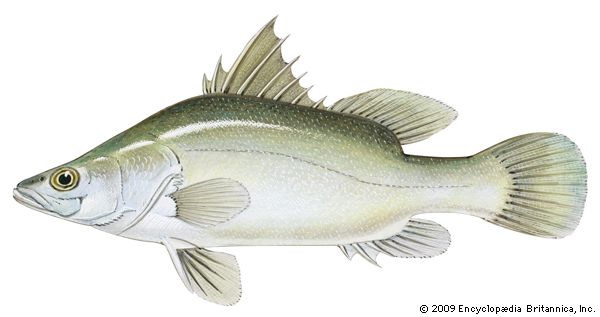
Geographically, these lakes are separated from other faunal provinces by physical barriers, such as Murchison Falls, which prevents the migration and mixing of fish populations from Lake Albert. While these natural factors have fostered unique biodiversity, it is important to note that human activity, including the introduction of non-native species like the Nile perch, has significantly altered the zoogeography of the region, creating a man-made revolution in the distribution of fish life.19
Sources
- Kyoga Lake — Encyclopædia Britannica
- East African lakes - Plant and animal life — Encyclopædia Britannica
- Kyoga — Merriam-Webster
- Victoria Nile — Encyclopædia Britannica
- Nile River - Physiography of Nile River — Encyclopædia Britannica
- Papyrus — Encyclopædia Britannica
- Uganda - Flora — Encyclopædia Britannica
- Lake Victoria — Encyclopædia Britannica
- Uganda - Drainage — Encyclopædia Britannica
- East African lakes - Resource exploitation — Encyclopædia Britannica
- East African lakes - Geology, climate, and hydrology — Encyclopædia Britannica
Published on · 3 min read