Kagera River
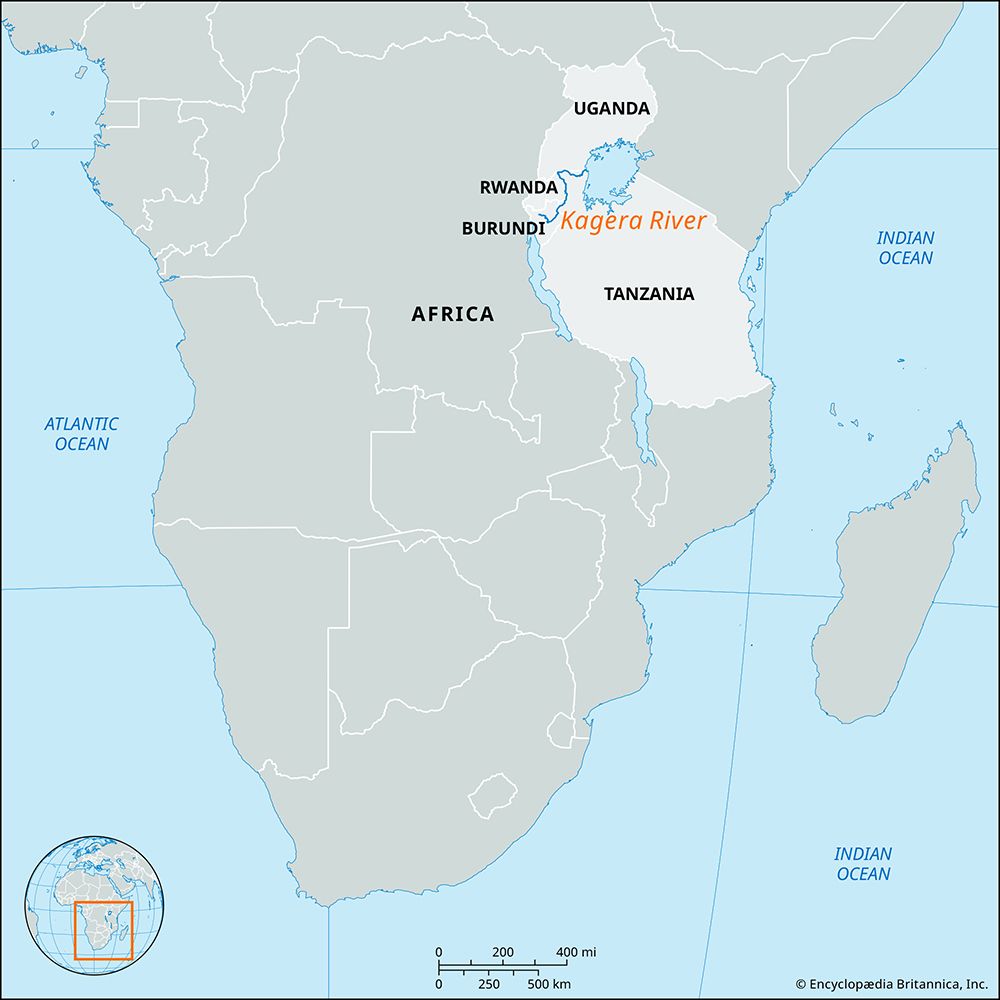
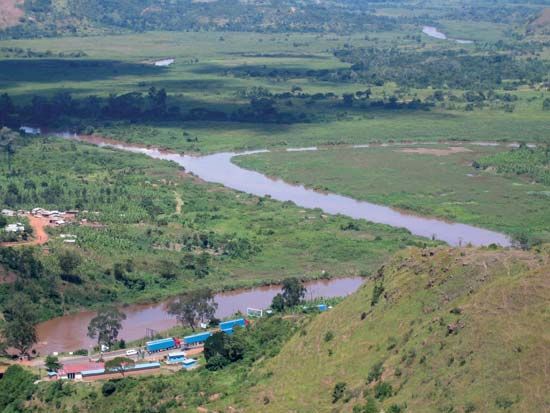
The Kagera River is located in East Africa and serves as the most remote headstream of the Nile River and the largest tributary of Lake Victoria.
Where is the Kagera River located, and which countries does it flow through?
The Kagera River is located in East Africa and serves as the most remote headstream of the Nile River and the largest tributary of Lake Victoria.1
The river rises in Burundi and flows through or along the borders of several countries:
- Burundi: The river originates here near the northern tip of Lake Tanganyika.1
- Rwanda: The river forms part of the boundary between Rwanda and Tanzania during its northward course.1
- Tanzania: After turning eastward, the river forms the boundary between Tanzania and Uganda before crossing through Tanzania to empty into Lake Victoria.1
The river basin is characterized by mountainous terrain, swamps, and lakes, including the area protected by Akagera National Park in Rwanda.1
How does the climate of the region affect the water levels and flow of the Kagera River throughout the year?
The climate of the region significantly influences the Kagera River, which serves as the primary tributary feeding into Lake Victoria. While the East African lakes region generally experiences tropical climates with well-distributed rainfall, the river’s flow is intrinsically linked to the broader hydrological patterns of the Nile basin.212
The Kagera River basin is characterized by mountainous terrain, swamps, and lakes, which provide a degree of natural regulation for the water flow. Because the region receives rainfall that is relatively well-distributed throughout the year, the river maintains a more consistent supply of water compared to other Nile tributaries that are subject to extreme seasonal fluctuations.12
The outflow from Lake Victoria—which is largely supplied by the Kagera—is a critical component of the Nile system’s hydrology. While the levels of the East African lakes are sensitive to long-term climatic fluctuations and precipitation variations, the Kagera’s role as a major feeder ensures that it remains a vital, perennial contributor to the lake’s water balance.23
How does the Kagera River contribute to the Nile River system?
The Kagera River serves as a vital component of the Nile River system, functioning as its most remote headstream and the largest tributary feeding into Lake Victoria.14
Its contribution to the Nile system is primarily defined by its role in the hydrology of the East African Lake Plateau:
- Primary Feeder: The Kagera is the most important affluent of Lake Victoria, providing the majority of the water that flows into the lake from its surrounding drainage basin.52
- Reservoir Regulation: Lake Victoria acts as the first great natural reservoir for the Nile. Because the heavy rainfall over the lake is largely balanced by surface evaporation, the outflow from the lake—which eventually forms the Victoria Nile—is sustained significantly by the inflow from the Kagera.2
- System Connectivity: By feeding Lake Victoria, the Kagera provides the foundational water volume that travels northward through the Victoria Nile, into Lake Kyoga and Lake Albert, eventually contributing to the White Nile and the unified Nile system that reaches the Mediterranean Sea.42
What is the significance of the Kagera River for the local ecosystem and wildlife?
The Kagera River basin is ecologically significant due to its diverse landscape, which includes mountainous terrain, lakes, and extensive papyrus swamps. These wetlands serve as critical habitats that support a wide array of biodiversity within the region.1
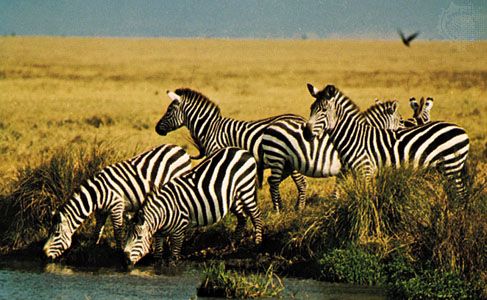
The river’s importance is most notably exemplified by Akagera National Park, which is recognized for its exceptional variety of animal life. The park’s ecosystem sustains significant populations of large mammals, including:16
- Range animals: Buffalo, zebra, and impala.6
- Predators and primates: Lions and baboons.6
- Aquatic and specialized species: Hippopotamuses, warthogs, and rare animals such as the giant pangolin.6
By providing a consistent water source and varied terrain, the Kagera River acts as a vital lifeline for these species, maintaining the ecological balance of the eastern frontier of Rwanda and the surrounding border regions.16
Sources
- Kagera River — Encyclopædia Britannica
- Nile River - Climate and hydrology — Encyclopædia Britannica
- East African lakes - Geology, climate, and hydrology — Encyclopædia Britannica
- Lake Victoria — Encyclopædia Britannica
- Nile River - Physiography of Nile River — Encyclopædia Britannica
- Rwanda - Plant and animal life — Encyclopædia Britannica
Published on · 3 min read