Nile River
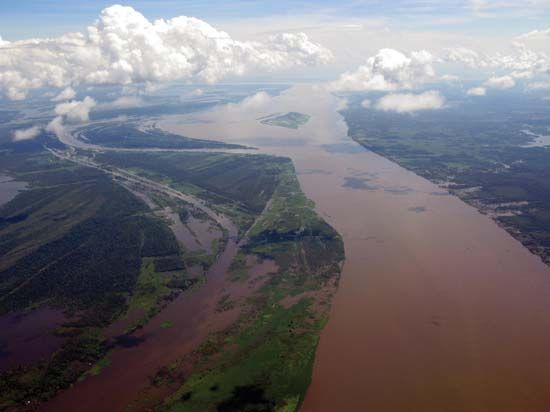
The Nile River is approximately 4,132 miles (6,650 kilometers) long, though estimates can vary due to ongoing geographical debates regarding its length…
How long is the Nile River and what are its major tributaries?
The Nile River is approximately 4,132 miles (6,650 kilometers) long, though estimates can vary due to ongoing geographical debates regarding its length compared to the Amazon River.12
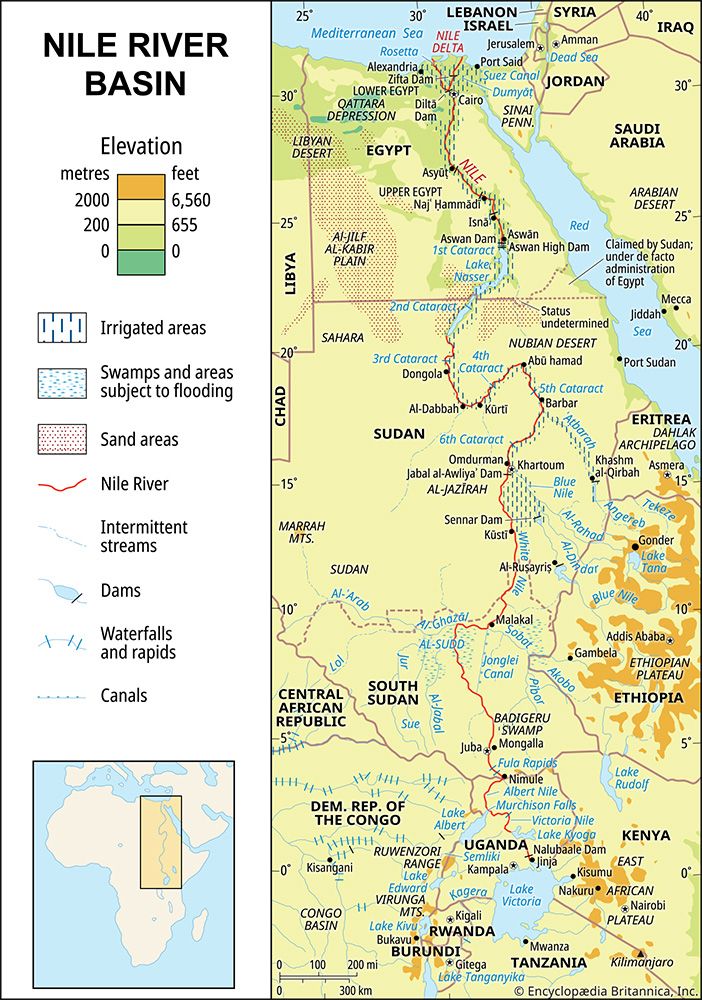
The river is formed by three principal streams:2
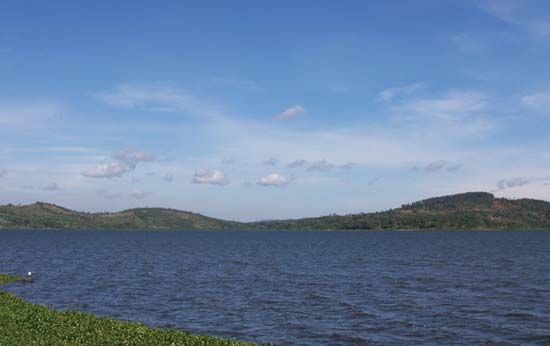
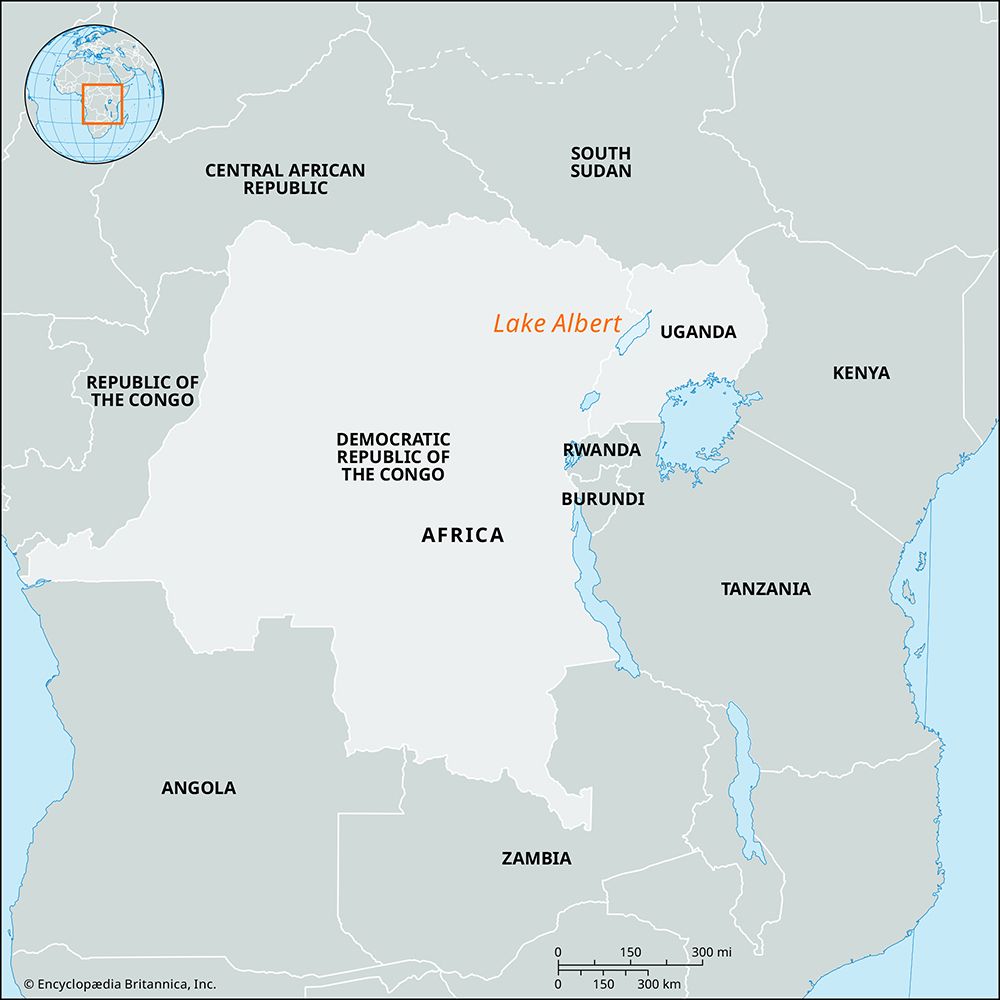
- White Nile: The longest of the tributaries, its headstreams flow into Lake Victoria and Lake Albert. It flows northward through South Sudan and Sudan before meeting the Blue Nile at Khartoum.132
- Blue Nile: Rising near Lake Tana in the Ethiopian Plateau, this tributary provides the majority of the Nile’s floodwater.432
- Atbara River: Also originating in the Ethiopian highlands, this is the final major tributary to join the Nile, flowing into the main stream north of Khartoum.32
The river’s most distant source is considered to be the Kagera River in Burundi.32
What role does the Nile River play in modern transportation and trade?
The Nile River remains a vital waterway for the transportation of people and goods, particularly in regions where motor transport is impractical or unavailable. In Sudan and South Sudan, river steamers provide essential connectivity, especially during the flood season when road travel is often impossible.54
Navigation on the Nile is segmented due to geographical features like cataracts. Key navigable stretches include:
- Khartoum to Juba: The most significant route for river transport in the south.5
- Egyptian Border to Lake Nasser: A primary stretch for northern navigation.5
- Third to Fourth Cataract: A localized navigable section in Sudan.5
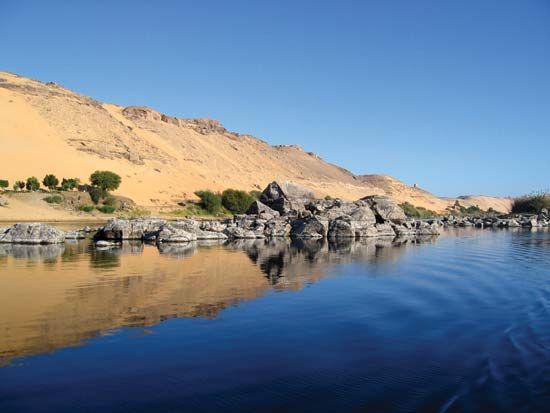
In Egypt, the river supports thousands of small boats and shallow-draft steamers, particularly as far south as Aswān. While the Nile served as the primary “riverine highway” for centuries, its role in modern trade has diminished since the 20th century due to significant advancements in rail, highway, and air infrastructure. Today, these land-based systems handle the bulk of regional freight, though the river remains a critical lifeline for communities situated along its banks.546
What is the Nile River and where is it located in Africa?
The Nile River is widely considered the longest river in the world, stretching approximately 4,132 miles (6,650 kilometers) through northeastern Africa. It rises south of the Equator and flows northward, eventually draining into the Mediterranean Sea in northern Egypt.1
The river’s extensive basin covers about one-tenth of the African continent and spans across eleven countries: Tanzania, Burundi, Rwanda, the Democratic Republic of the Congo, Kenya, Uganda, South Sudan, Ethiopia, Sudan, Eritrea, and Egypt.1 Its most distant source is the Kagera River in Burundi.era-River) in Burundi.14
The Nile is formed by three primary streams: the White Nile, the Blue Nile, and the Atbara River. These tributaries converge to provide the water necessary for intensive agriculture and historical civilization development along the river’s banks.1
What wildlife can be found in and around the Nile River?
The Nile River basin supports a diverse array of wildlife, ranging from aquatic species to various reptiles, birds, and mammals.
Aquatic Life
The Nile system is home to approximately 190 varieties of fish. Notable species include:7
- Nile perch: A large freshwater fish that can weigh over 175 pounds.8
- Tilapia: Including the common bolti or bulṭī.87
- Other species: The system also hosts catfish, tigerfish, lungfish, and various species of eel.8
Reptiles
- Nile crocodile: Found throughout most of the river, this apex predator can reach lengths of up to 6 meters.8910
- Other reptiles: The basin supports soft-shelled turtles, three species of monitor lizards, and roughly 30 species of snakes, including the Egyptian cobra and various vipers.87
Birds and Mammals
- Birds: The Nile valley is rich in birdlife, hosting over 150 resident species and 200 migrating types. The Egyptian goose is a common resident, along with birds of prey like the kestrel and golden eagle.711
- Mammals: While once widespread, the hippopotamus is now primarily restricted to the Al-Sudd region and areas to the south. Other mammals found in the surrounding regions include the fennec, Egyptian jackal, and various gazelles.897
Sources
- Nile River: Top Questions — Encyclopædia Britannica
- Blue Nile River — Encyclopædia Britannica
- Nile River - Physiography of Nile River — Encyclopædia Britannica
- Nile River — Encyclopædia Britannica
- Nile River - Navigation — Encyclopædia Britannica
- Sudan - Transportation and telecommunications — Encyclopædia Britannica
- Nile River - Plant and animal life — Encyclopædia Britannica
- Egypt - Plant and animal life — Encyclopædia Britannica
- 11 Fascinating Nile River Plants and Animals — Encyclopædia Britannica
- Egyptian goose — Encyclopædia Britannica
- Nile crocodile — Encyclopædia Britannica
Published on · 3 min read