Lake Frome
Lake Frome is located in the northeastern region of South Australia, approximately 280 miles (450 km) northeast of Adelaide. It sits as the southernmost…
What is the geographical location and size of Lake Frome in South Australia?
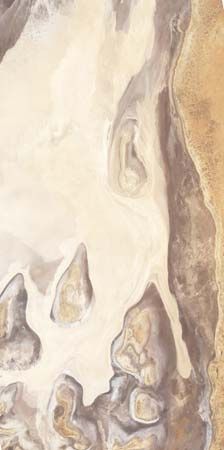
Lake Frome is located in the northeastern region of South Australia, approximately 280 miles (450 km) northeast of Adelaide. It sits as the southernmost member of an arc of salt lakes situated northeast of the Flinders Range.1
Regarding its size, the lake is a large, shallow depression measuring 60 miles (100 km) in length and 30 miles (48 km) in width. It typically functions as a dry salt pan (playa), only filling with water intermittently following heavy rains in the northern Flinders Range or through overflow from Lake Callabonna.1
What is the cultural significance of Lake Frome to the Indigenous Australian peoples of the area?
Sorry, the Britannica knowledge base does not contain this information.
What is the history behind the naming of Lake Frome?
Lake Frome was sighted in 1840 by the explorer Edward J. Eyre while he was searching for new grazing lands. For nearly two decades, the lake was mistakenly believed to be an extension of Lake Torrens, which lies about 80 miles to the west. This misconception was not corrected until 1858.
The lake is named in honor of E.C. Frome, who served as the surveyor general of South Australia during the 1840s.1
How does Lake Frome compare to other salt lakes in Australia?
Lake Frome is a large, shallow salt pan (playa) located in northeastern South Australia. It shares several key characteristics with other major Australian salt lakes, such as Lake Eyre, Lake Torrens, Lake Gregory, and Lake Blanche.1
Shared Characteristics
- Structural Origin: Like many of Australia’s largest salinas, Lake Frome is of structural origin, having been formed by downfaulted blocks in the Earth’s surface.2
- Hydrology: These lakes are typically dry and function as playas. They are endorheic, meaning they occupy closed drainage basins, and they only fill intermittently following heavy rainfall or overflow from connected river systems.123
- Composition: While some lakes like Torrens and Gregory are surfaced primarily with gypsum, Lake Frome, like Lake Eyre, is characterized by a crust of sodium chloride (common salt).2
- Ancestry: Lake Frome is part of an arc of salt lakes that share a common origin in a larger ancestral Lake Eyre.1
Distinctions
- Scale: Lake Frome measures approximately 60 miles (100 km) long by 30 miles wide. In contrast, Lake Eyre is significantly larger, covering a total area of 4,281 square miles (11,088 square km) and serving as the lowest point on the Australian continent.14
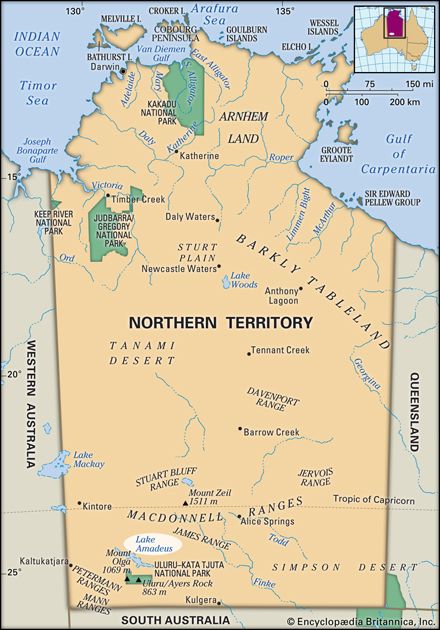
- Regional Context: While Lake Frome is situated northeast of the Flinders Range, other lakes are distributed across different regions, such as Lake Amadeus in the Northern Territory or Lake Tyrrell in Victoria, which is the largest inland saltwater lake in that state.56
Sources
- Lake Frome — Encyclopædia Britannica
- Lake Eyre — Encyclopædia Britannica
- list of lakes - Australia — Encyclopædia Britannica
- Lake Amadeus — Encyclopædia Britannica
- Lake Tyrrell — Encyclopædia Britannica
- Australia - The Interior Lowlands — Encyclopædia Britannica
- Lake Torrens — Encyclopædia Britannica
- Inland water ecosystem - Saline lakes — Encyclopædia Britannica
- playa - Effects of wind action — Encyclopædia Britannica
Published on · 2 min read