Lake Kariba
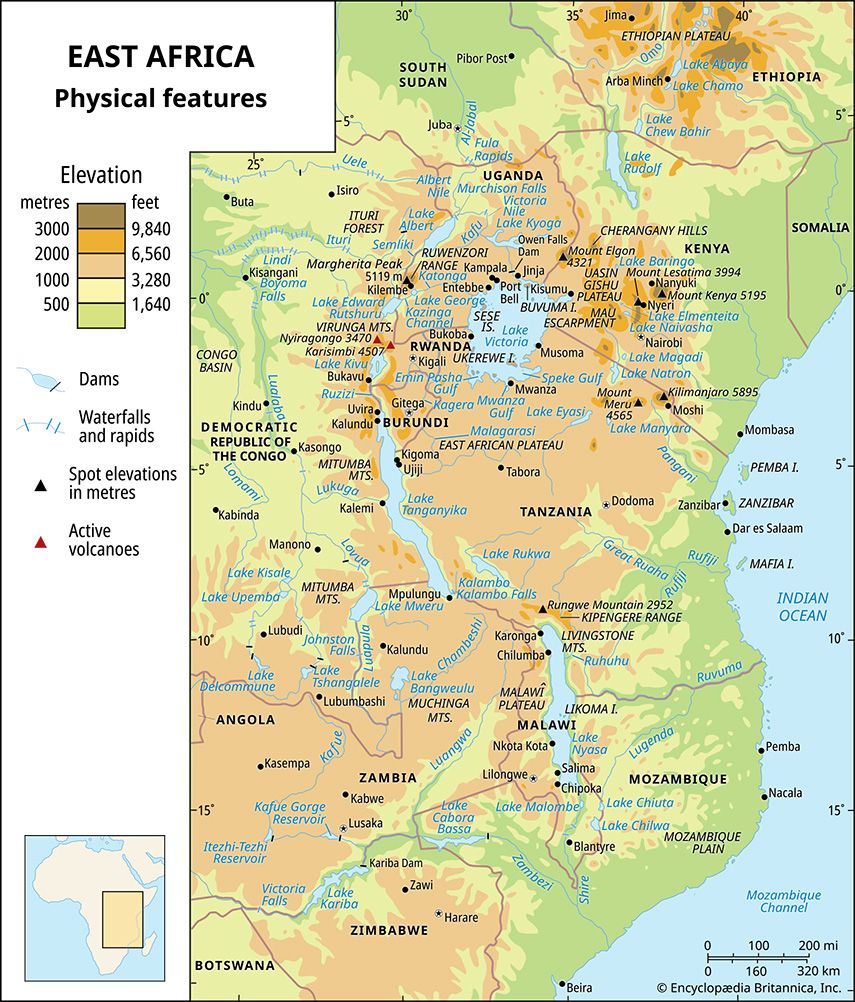
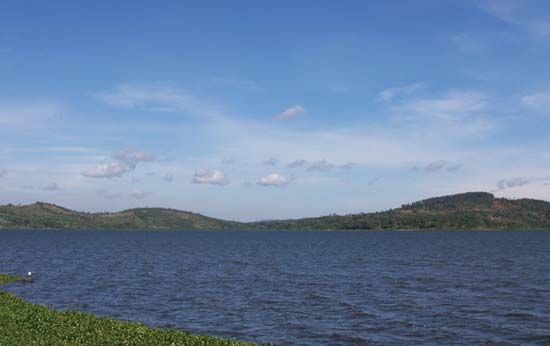
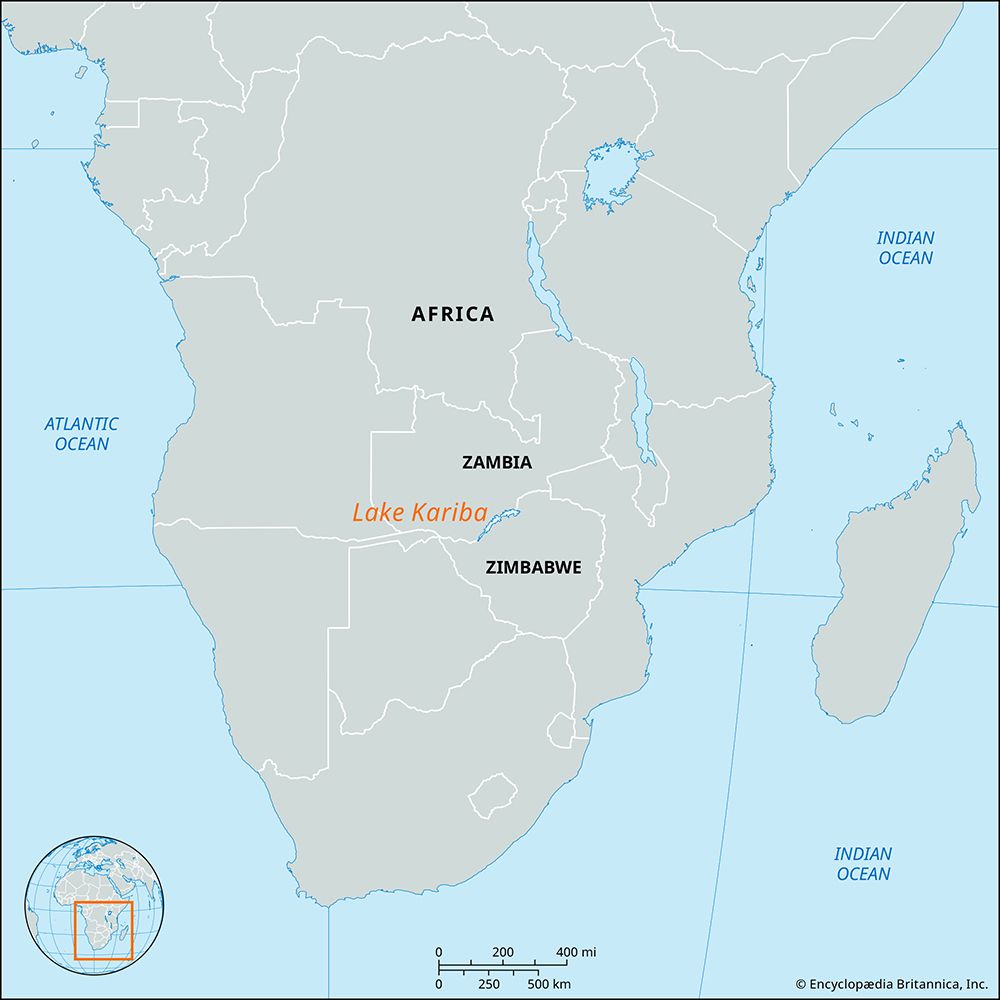
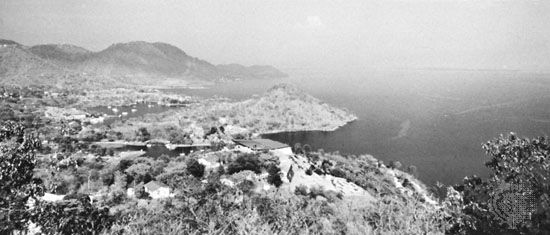
Lake Kariba is located in central Africa, situated along the border between Zambia and Zimbabwe.
Where is Lake Kariba located and how was it formed?
Lake Kariba is located in central Africa, situated along the border between Zambia and Zimbabwe.1
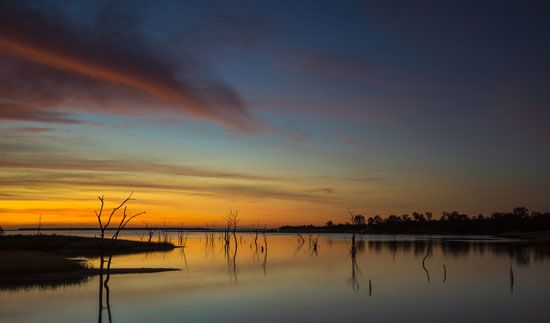
The lake was formed by the construction of the Kariba Dam, a concrete arch dam built across the Zambezi River at the Kariba Gorge. Construction of the dam began in 1956 and was completed in 1959, creating a massive reservoir that covers approximately 2,000 square miles.12
The project was a significant engineering undertaking that necessitated the resettlement of over 30,000 Batonka tribespeople and the rescue of thousands of wild animals in an effort known as “Operation Noah”. Today, the dam serves as a vital source of electric power for the region, supporting industries in both Zambia and Zimbabwe.21
How does Lake Kariba contribute to the economies of Zimbabwe and Zambia?
Lake Kariba serves as a cornerstone for the economies of both Zambia and Zimbabwe, primarily through the generation of hydroelectric power and the development of local industries.
Energy Production
The Kariba Dam is a vital source of electricity for both nations, supplying approximately 6,700,000,000 kilowatt-hours annually. This inexpensive power is essential for supporting Zambia’s prosperous copper industry and serves urban centers such as Harare and Bulawayo in Zimbabwe Bulawayo in Zimbabwe. The electricity grid extends across both countries and maintains regional links with neighboring states.12
Fishing and Tourism
The lake supports a significant fishing industry. The introduction of Tilapia and kapenta (freshwater sardines) has created a productive fishery, with the kapenta industry being particularly well-established in Zimbabwe. Additionally, the development of lakeshore harbors and tourist resorts in towns like Kariba, Siavonga, and Sinazongwe has further diversified the local economic landscape.345
What is the size of Lake Kariba compared to other man-made lakes in Africa?
Lake Kariba is one of several major man-made reservoirs constructed in Africa during the late 20th century to harness water resources for hydroelectric power and irrigation.1
Covering approximately 2,000 square miles (5,200 square km), Lake Kariba is a significant artificial feature on the continent. While the provided search results do not offer a direct ranking of all man-made lakes by size, they identify Lake Kariba alongside other notable large-scale reservoirs, including:6
- Aswan High Dam (Nile basin)1
- Akosombo (Volta River)1
- Kainji (Niger River)1
- Cahora Bassa (Zambezi River)1
- Kossou (Bandama River)1
- Kafue (Kafue River)1
- Inga I and II (Congo River)1
Unlike the natural East African lakes—such as Lake Victoria, which is the largest freshwater lake in Africa—Lake Kariba was specifically engineered by damming the Zambezi River at the Kariba Gorge.67
How does the Kariba Dam work to generate hydroelectric power?
The Kariba Dam generates hydroelectric power by harnessing the Zambezi River through a process that converts the potential energy of water into electricity.29
The mechanism functions as follows:
- Water Storage: The concrete arch dam impounds the river, creating Lake Kariba. This raises the water level behind the structure, creating a significant head—the vertical distance the water falls to generate power.29
- Energy Conversion: Water is directed downward through large pipes or tunnels known as penstocks. As the water reaches the bottom, its movement causes turbines to rotate, converting the water’s kinetic energy into mechanical energy.9
- Electricity Generation: These rotating turbines drive generators, which produce electricity. Transformers then increase the voltage to make it suitable for long-distance transmission to the power grids of Zambia and Zimbabwe.9
The powerhouse, which contains this equipment, is located within the dam structure itself, taking advantage of the narrow, steep Kariba Gorge.29
Sources
- Lake Kariba — Encyclopædia Britannica
- Kariba Dam — Encyclopædia Britannica
- Zambia - Resources and power — Encyclopædia Britannica
- Zambezi River - Kariba and Cahora Bassa schemes — Encyclopædia Britannica
- Zambia - Fishing — Encyclopædia Britannica
- Africa - Availability for human use — Encyclopædia Britannica
- East African lakes — Encyclopædia Britannica
- Africa - Surface water — Encyclopædia Britannica
- hydroelectric power — Encyclopædia Britannica
Published on · 3 min read