Lake Naivasha
Lake Naivasha is located in the eastern arm of the East African Rift System in Kenya, approximately 35 miles (56 km) southeast of Nakuru. Situated at an…
What is the geographical location and size of Lake Naivasha in Kenya?
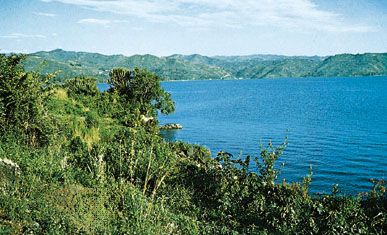
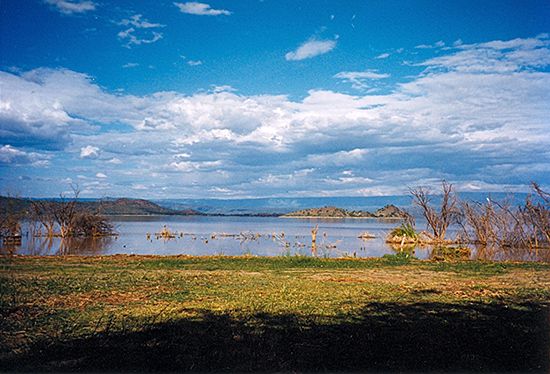
Lake Naivasha is located in the eastern arm of the East African Rift System in Kenya, approximately 35 miles (56 km) southeast of Nakuru. Situated at an elevation of 6,180 feet (1,884 meters) above sea level, it is the highest lake in the eastern portion of the rift system. The lake is positioned on an alluvium-covered flat on the valley floor, flanked by the Ilkinopop (Kinangop) Plateau to the east and the Mau Escarpment to the west.1
The size of Lake Naivasha is not static; it fluctuates periodically. In the mid-1970s, the lake covered an area of approximately 81 square miles (210 square km). While it is the largest of the shallow lakes found on the floor of the Central Rift Valley, its surface area remains subject to significant changes over time.123
How does Lake Naivasha contribute to Kenya’s tourism industry?
Lake Naivasha is a significant destination for Kenya’s tourism industry, primarily serving as a popular weekend resort for residents of Nairobi. The lake’s unique environment supports several recreational activities that draw visitors to the region.
Key contributions to tourism include:
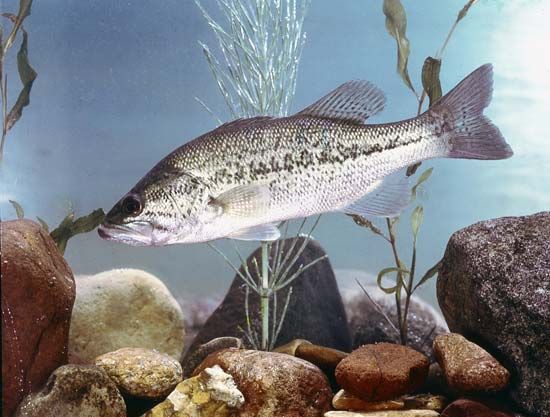
- Sport Fishing: The lake is home to various species of Tilapia and introduced black bass, which form the basis for local sport fishing activities.1
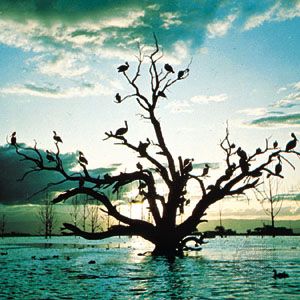
- Wildlife Observation: The area is a well-known site for bird-watching, attracting nature enthusiasts who come to observe the diverse avian life supported by the lake and its surrounding papyrus swamp.1
- Recreational Retreat: Due to its proximity to the capital, the lake functions as a vital getaway, providing a scenic escape for both local and international visitors looking to experience the natural beauty of the East African Rift System.1
We could dive deeper into the conservation efforts surrounding the lake’s ecosystem or explore other major tourist attractions within the Rift Valley.
How does the lake’s water level fluctuate seasonally, and what impacts does this have?
The water level and size of Lake Naivasha fluctuate periodically, though the provided search results do not specify the exact seasonal range of these changes. Generally, the levels of the East African lakes are highly sensitive to climatic variations, such as precipitation patterns and drought conditions.1
While the lake is a freshwater body—an exception among many Eastern Rift lakes—it lacks a surface outlet, which makes its volume particularly responsive to the balance between inflow from its main tributaries, the Engare Melewa and Gilgil rivers, and evaporation. Historically, these fluctuations have been significant; for instance, the lake’s surface area was recorded at approximately 81 square miles (210 square km) in the mid-1970s, but this figure is subject to change over time. In smaller, shallow lakes within the region, such fluctuations can lead to drastic reductions in surface area or even temporary drying during prolonged periods of drought.41
How does Lake Naivasha compare to other lakes in the Rift Valley system?
Lake Naivasha occupies a unique position within the East African Rift System when compared to other lakes in the region:
- Elevation: It is the highest of the lakes located in the eastern part of the rift system, situated at 6,180 feet (1,884 m) above sea level. (1,884 m) above sea level.1
- Water Quality: While many lakes in the Eastern Rift are brackish, Lake Naivasha is a notable exception because its waters are fresh. It is believed to maintain this status through subterranean outlets, a characteristic it shares with Lake Baringo.1
- Geographic Setting: Unlike the deeper, often deoxygenated lakes of the Western Rift—such as Lake Tanganyika, Lake Nyasa, and Lake Kivu, which contain lethal levels of hydrogen sulfide—Naivasha is a shallower lake situated on an alluvium-covered flat.41
- Hydrology: It lacks a surface outlet, making its volume and surface area highly sensitive to climatic fluctuations and the balance between evaporation and inflow from its primary tributaries, the Engare Melewa and Gilgil rivers.41
Sources
- Lake Naivasha — Encyclopædia Britannica
- Kenya - Relief — Encyclopædia Britannica
- Kenya - Drainage — Encyclopædia Britannica
- East African lakes - Geology, climate, and hydrology — Encyclopædia Britannica
Published on · 3 min read