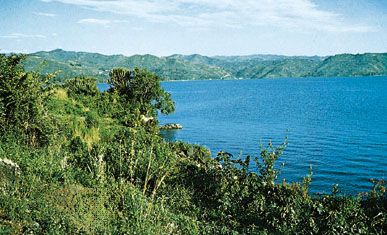
Lake Tanganyika
Lake Tanganyika was formed as a result of tectonic activity within the Western Rift Valley, a major branch of the East African Rift System. This massive…
How was Lake Tanganyika formed, and what is its geological significance?
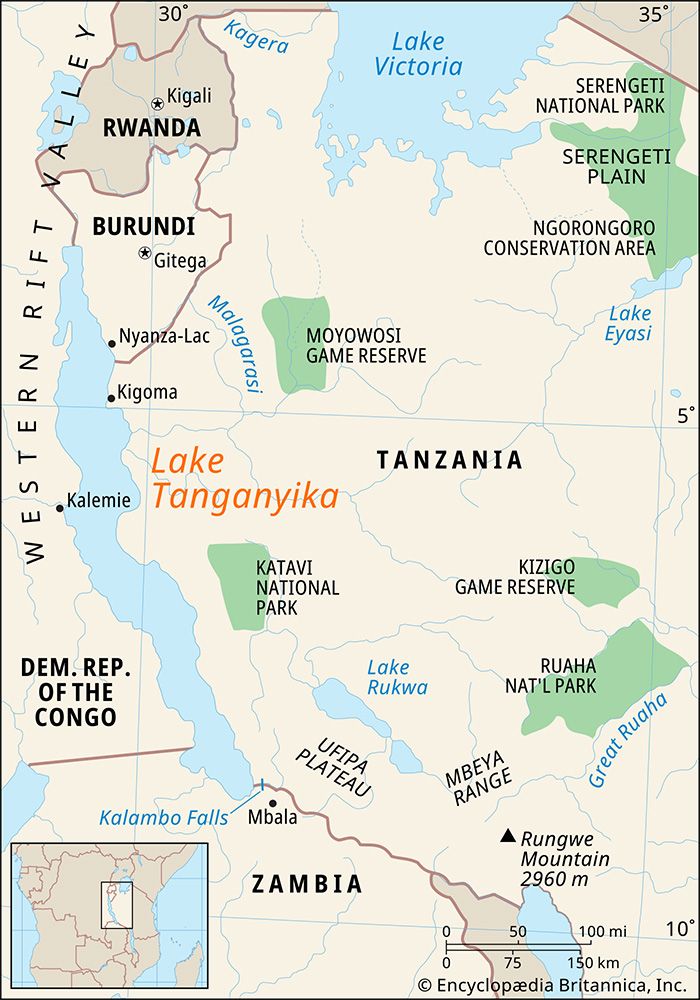
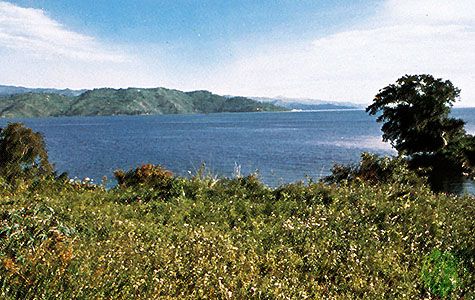
Lake Tanganyika was formed as a result of tectonic activity within the Western Rift Valley, a major branch of the East African Rift System. This massive geological feature, which stretches for thousands of miles, involves the movement of the Earth’s crust that created deep, narrow troughs. The lake occupies the southern end of this western rift, where the land rises steeply from its shores, giving the basin a fjord-like appearance.12
Geologically, the lake is highly significant for several reasons:
- Depth and Scale: It is the longest freshwater lake in the world and the second deepest, reaching depths of 4,710 feet (1,436 meters).1
- Unique Environment: Much of its deep water is permanently deoxygenated and contains lethal amounts of hydrogen sulfide, rendering the lower three-fourths of its volume a biological desert.3
- Tectonic Activity: Its formation is part of the ongoing seismic and volcanic processes that continue to shape the East African landscape.2
What are some of the most notable fish species found in Lake Tanganyika?
Lake Tanganyika supports a diverse array of aquatic life, though its fisheries are distinct from other major African lakes due to the lack of shallow marginal waters. Notable fish species and groups found in the lake include:
- Dagaa: These small, sardine-like fish dominate the commercial fisheries in the northern part of the lake, serving as the primary catch for local fishermen.1
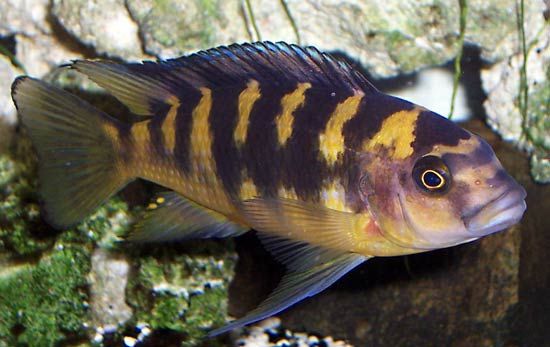
- Cichlids: Lake Tanganyika is home to a vast diversity of cichlids, a family of fish noted for their complex mating and breeding behaviors. While many cichlids are popular in the aquarium trade, they are a fundamental component of the lake’s ecosystem.6
- Tilapia: Although Tilapia are a major component of fisheries in other East African lakes, they do not form a significant proportion of the catch in Lake Tanganyika because the lake lacks the extensive shallow, sheltered habitats they typically prefer.1
While other species are present, the lake’s deep, steep-sided basin and unique chemical composition—including a deep layer of water containing lethal amounts of hydrogen sulfide—limit the distribution of many fish to the upper, oxygenated zones.71
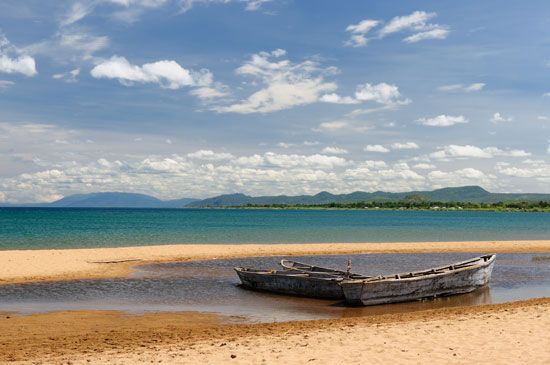
What unique biodiversity can be found in Lake Tanganyika?
Lake Tanganyika possesses a unique and diverse ecosystem shaped by its distinct geographical position and physical characteristics. Situated on the boundary between the floral regions of eastern and western Africa, the lake’s shores feature oil palms—a species characteristic of western Africa—alongside various subsistence crops.16
The lake’s biodiversity is notable for several key features:
- Fauna: The shores are home to an abundance of hippopotamuses and crocodiles, and the surrounding area supports a varied population of bird life.16
- Fish Life: The lake supports a rich variety of fish, including the small, sardine-like Stolothrissa tanganicae, commonly known as dagaa, which dominates the local commercial fisheries. While the lake is part of the broader East African lake system, its lack of shallow marginal waters limits the presence of species like Tilapia that are common elsewhere.86
- Endemism: Many of the lakes in the East African region are characterized by a high proportion of endemic species, particularly within the Cichlidae family, which are highly prone to evolutionary diversification.6
How does Lake Tanganyika compare to other African Great Lakes in terms of size and age?
Lake Tanganyika is distinguished among the African Great Lakes by its immense depth and elongated shape. It is the longest freshwater lake in the world, stretching 410 miles (660 km), and is the second deepest globally, reaching 4,710 feet (1,436 meters) at its maximum depth.19
In terms of size, it covers approximately 12,700 square miles (32,900–33,020 square km). While it is the second-largest lake in eastern Africa, it differs significantly from Lake Victoria, which has an area more than twice as large but is relatively shallow, with a maximum depth of only about 260 feet (80 meters).159
Regarding age and formation, Lake Tanganyika is a tectonic (fault-formed) lake occupying the southern end of the Western Rift Valley. Its landscape is defined by steep escarpments that rise sheer from the water, a characteristic shared with Lake Nyasa, though Lake Tanganyika exhibits these features in a more extreme form.19
Sources
- Lake Tanganyika — Encyclopædia Britannica
- Africa - Relief — Encyclopædia Britannica
- East African lakes - Geology, climate, and hydrology — Encyclopædia Britannica
- Tanzania: Top Questions — Encyclopædia Britannica
- Tanganyika, Lake — Merriam-Webster
- East African lakes - Resource exploitation — Encyclopædia Britannica
- cichlid — Encyclopædia Britannica
- East African lakes - Plant and animal life — Encyclopædia Britannica
- East African lakes - Physiography — Encyclopædia Britannica
Published on · 3 min read