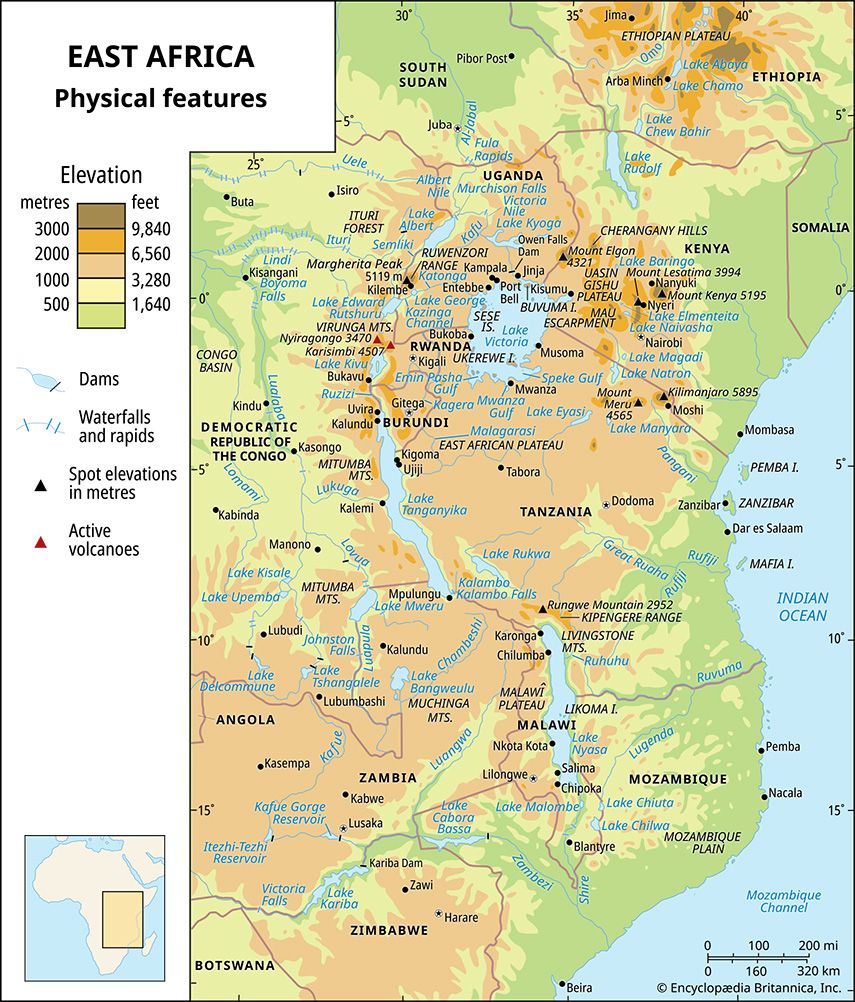
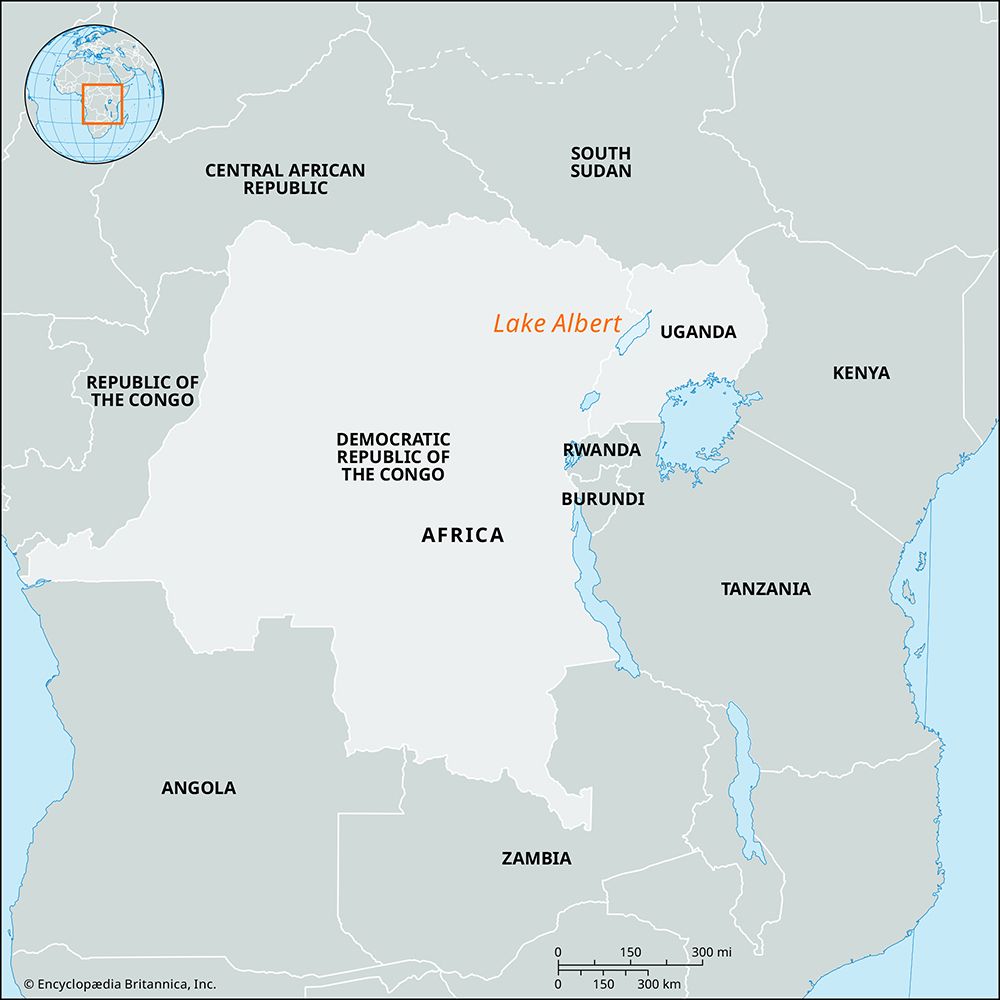
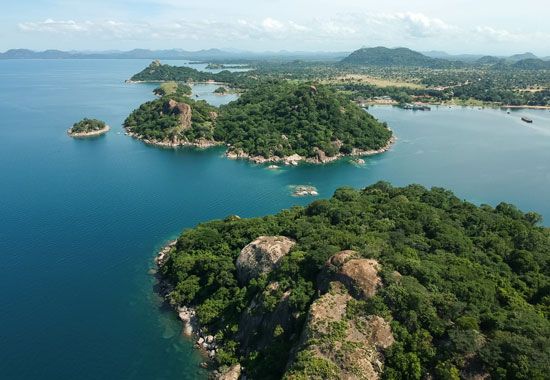
Lake Nyasa
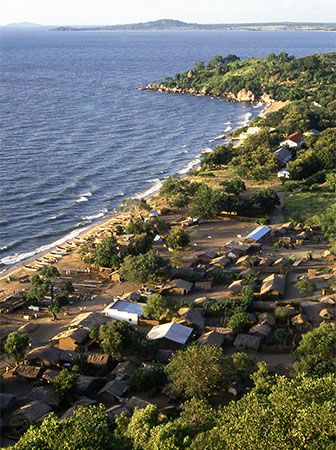
Lake Nyasa serves as a vital resource for Malawi, Tanzania, and Mozambique, primarily through transportation and fishing.
How do the surrounding countries (Malawi, Tanzania, and Mozambique) utilize Lake Nyasa?
Lake Nyasa serves as a vital resource for Malawi, Tanzania, and Mozambique, primarily through transportation and fishing.
Transportation and Trade The lake functions as a critical inland waterway connecting the three nations. Malawi Railways operates passenger and cargo vessels that link various ports, including Karonga, Nkhata Bay, and Nkhotakota, to the broader regional infrastructure. These connections facilitate the transport of agricultural products—such as cotton, rubber, and peanuts—to railheads that link with the Mozambican port of Beira. Tanzania also utilizes inland ports on the lake to maintain connectivity with Malawi and Mozambique. Because many lakeshore areas lack proper road access, local populations remain heavily dependent on these lake transport services.123
Fisheries Fishing is a major economic activity, though exploitation patterns vary. In the northern waters, fishermen catch species such as catfish and carp, while the southern, shallower waters support Tilapia and other carp species. While commercial fisheries are well-established, particularly in Malawi, the industry faces challenges from overfishing and environmental degradation. Most fishermen also engage in subsistence agriculture to supplement their livelihoods.42
How deep is Lake Nyasa, and how does its depth compare to other African Great Lakes?
Lake Nyasa reaches a maximum depth of 2,310 feet (704 meters) toward its northern end.17
When compared to other East African lakes, its depth profile is significant but distinct:
- Lake Tanganyika: This lake is the deepest in Africa and the second deepest in the world, reaching a maximum depth of 4,710 feet (1,435 meters).7
- Lake Victoria: In contrast to the deep rift lakes, Lake Victoria is relatively shallow, with a maximum depth of only about 260 feet (80 meters).7
- Other Rift Lakes: Many other lakes in the region are notably shallower due to thick layers of sediment. For example, Lake Albert has a maximum recorded depth of 190 feet (58 meters), Lake Edward reaches 367 feet (112 meters), and Lake Rukwa is extremely shallow at approximately 20 feet (6 meters).78
Like Lake Tanganyika, Lake Nyasa is a deep rift lake, meaning its deeper waters are permanently deoxygenated and contain lethal amounts of hydrogen sulfide, effectively creating a biological desert in its lower depths.8
What are some of the most notable fish species found in Lake Nyasa?
Lake Nyasa is home to hundreds of fish species, a significant number of which are endemic to the lake due to its isolation from the Zambezi fauna by Murchison Falls.10
The lake’s fish populations are distributed based on the varying habitats found in its northern and southern regions:
- Tilapia: These mouthbreeders are the most important fish in the lake in terms of both species diversity and total quantity. They are primarily found in the shallow, sheltered waters of the southern part of the lake, which serve as an ideal habitat.13
- Carp: Various species of carp are found throughout the lake. In the northern waters, different carp species are commonly caught, while the southern region is known for Labeo mesops, a specific type of carp.3
- Catfish: These are also a notable component of the fish population in the northern waters of the lake.3
While these species support vital commercial and subsistence fisheries, the populations are currently under pressure from environmental degradation, such as excessive silting, as well as overfishing and the use of improper net sizes.103
What is the significance of Lake Nyasa in terms of freshwater resources in Africa?
Lake Nyasa is a vital freshwater resource in Africa, ranking as the third largest of the Eastern Rift Valley lakes1. Covering an area of 11,430 square miles (29,604 square km), it serves as a critical ecological and economic hub for the surrounding nations of Malawi, Tanzania, and Mozambique.13
Its significance is defined by several key factors:
- Biodiversity: The lake hosts hundreds of fish species, many of which are endemic. These populations are essential for both local food security and commercial fishing industries, particularly in the southern regions where species like Tilapia are harvested.111
- Hydrological Role: Fed by 14 perennial rivers, the lake acts as a major reservoir that drains into the Shire River, a tributary of the Zambezi River.13
- Economic Utility: Beyond fishing, the lake is a primary artery for transportation, with vessels operated by the Malawi Railways company facilitating the movement of goods such as cotton, rice, and peanuts.1
However, the lake faces significant environmental challenges, including excessive silting, overfishing, and the use of improper equipment, which threaten the long-term sustainability of its resources.111
Sources
- Lake Nyasa — Encyclopædia Britannica
- Lake Malombe — Encyclopædia Britannica
- East African lakes - Resource exploitation — Encyclopædia Britannica
- Tanzania - Transportation — Encyclopædia Britannica
- East African lakes - Transportation — Encyclopædia Britannica
- Mozambique - Drainage of Mozambique — Encyclopædia Britannica
- East African lakes - Physiography — Encyclopædia Britannica
- East African lakes — Encyclopædia Britannica
- East African lakes - Geology, climate, and hydrology — Encyclopædia Britannica
- East African lakes - Plant and animal life — Encyclopædia Britannica
- Lake Rukwa — Encyclopædia Britannica
Published on · 4 min read