Lake Edward
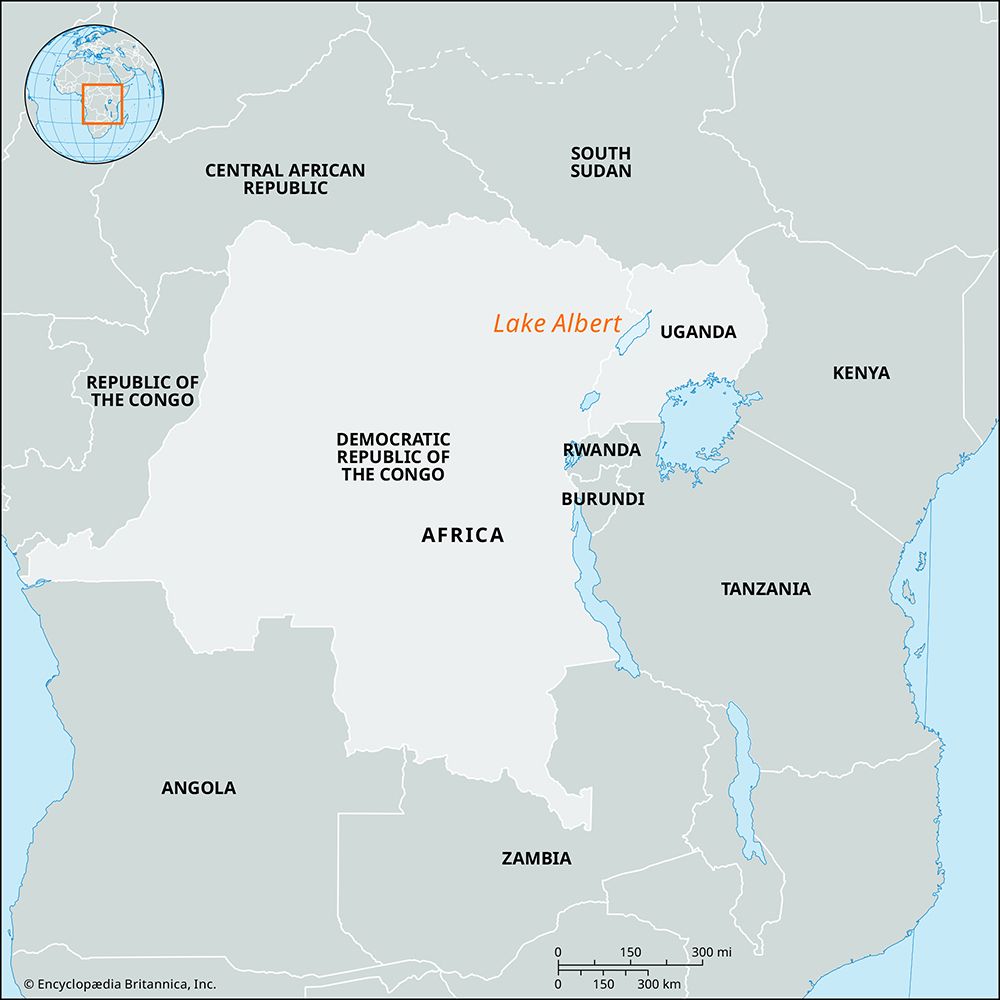
Lake Edward is one of the great lakes located in the Western Rift Valley of eastern Africa. Situated on the border between Congo (Kinshasa) and Uganda, the…
What is Lake Edward?
Lake Edward is one of the great lakes located in the Western Rift Valley of eastern Africa. Situated on the border between Congo (Kinshasa) and Uganda, the lake sits at an elevation of 2,992 feet and spans approximately 48 miles in length and 26 miles in width.1
The lake is fed by the Rutshuru River and the Kazinga Channel, which connects it to the smaller Lake George. It eventually empties northward into Lake Albert via the Semliki River. While the lake is notably rich in fish and birdlife, it is notably free of crocodiles, which are deterred by the falls in its outflow river. The surrounding shores are protected within Virunga National Park and Queen Elizabeth National Park, providing a sanctuary for diverse wildlife. The lake was named by Henry Morton Stanley in honor of Albert Edward, the Prince of Wales.12
What is the significance of the Kazinga Channel in the region’s ecosystem?
The Kazinga Channel serves as a vital hydrological and ecological link in the Western Rift Valley. Spanning 20 miles (32 kilometers), it connects Lake George to Lake Edward, facilitating the flow of water between these two bodies and supporting a shared aquatic environment.
The channel is significant for its role in sustaining a diverse and abundant ecosystem:
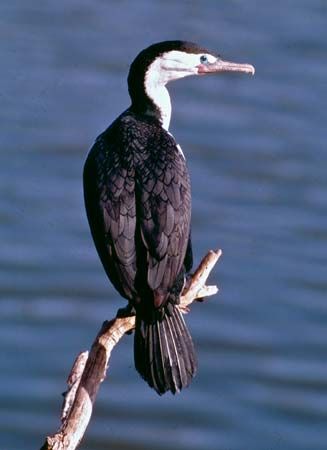
- Biodiversity: The area is notably rich in birdlife, serving as a key habitat for various species, including fish-eating birds such as cormorants, darters, and kingfishers.
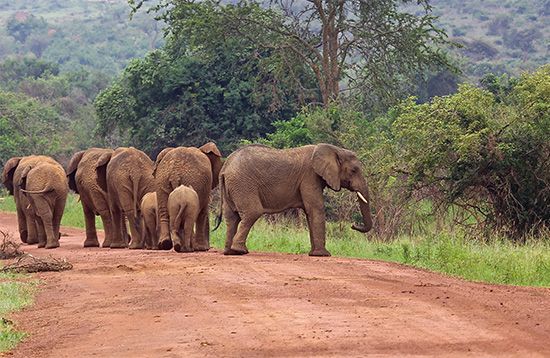
- Wildlife Sanctuary: The channel and its surrounding shores are protected within Queen Elizabeth National Park, which provides a refuge for large mammals like elephants, buffalo, and hippopotamuses.
- Ecological Isolation: Because the outflow of the connected lakes is obstructed by falls, the channel and its associated lakes are notably free of crocodiles, which are unable to migrate into this specific system.
How do national parks like Virunga protect the wildlife around Lake Edward?
National parks like Virunga National Park and Queen Elizabeth National Park play a critical role in protecting the wildlife around Lake Edward by providing designated sanctuaries that encourage the growth of game populations. These protected areas preserve essential habitats, including savannas, forests, and marshes, which support diverse species such as elephants, hippopotamuses, and various antelopes.234
However, these conservation efforts face significant challenges:
- Human Encroachment: The growth of permanent settlements within park boundaries and the influx of refugees have led to increased pressure on the land.4
- Poaching and Deforestation: Conflicts and warfare in the region have historically contributed to serious issues with poaching and the destruction of natural habitats, which disrupt animal migration patterns.245
- Security Risks: The safety of both wildlife and park personnel is frequently threatened by regional instability, which can hinder effective management and protection efforts.4
Despite these difficulties, the establishment of these parks remains a fundamental strategy for maintaining biodiversity and safeguarding the region’s unique ecological heritage.25
Why are crocodiles absent from Lake Edward despite being common in other African lakes?
The absence of Nile crocodiles from Lake Edward is primarily due to geographical barriers that prevent their migration into the lake system. While crocodiles are common in many parts of the Nile River basin, including the nearby Lake Albert, they have not been able to penetrate the upper reaches of this specific basin.18
The primary obstacle is the presence of physical barriers, such as waterfalls, which block the upstream movement of these reptiles from the lower Nile system into Lake Edward and the connected Lake George. Because crocodiles cannot bypass these significant geological features, the lake remains notably free of the species, despite the presence of other large wildlife such as hippopotamuses and elephants along its shores.98
Sources
- Lake Edward — Encyclopædia Britannica
- East African lakes - Plant and animal life — Encyclopædia Britannica
- Virunga National Park — Encyclopædia Britannica
- Virunga Mountains — Encyclopædia Britannica
- Africa - Conservation of Africa — Encyclopædia Britannica
- East African lakes - Resource exploitation — Encyclopædia Britannica
- East African lakes — Encyclopædia Britannica
- Nile River - Plant and animal life — Encyclopædia Britannica
- Lake Albert — Encyclopædia Britannica
Published on · 3 min read