Lake Tyers
Lake Tyers is a coastal lake located in the Gippsland region on the eastern coast of Victoria, Australia, situated near the northeastern end of Ninety Mile…
What is Lake Tyers?
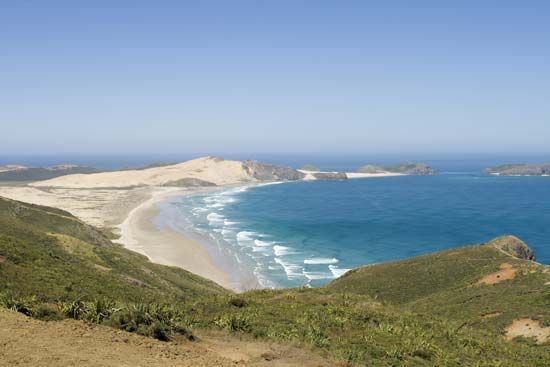
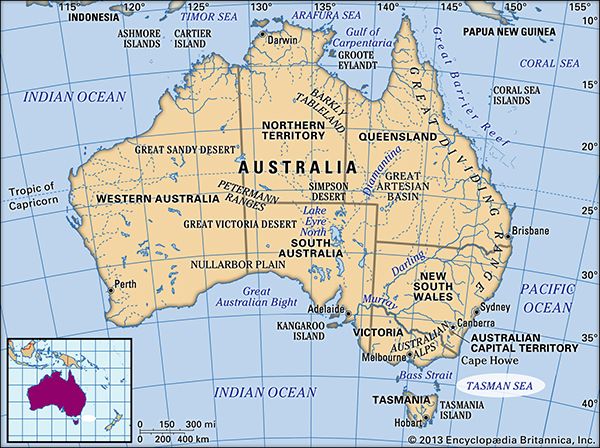
Lake Tyers is a coastal lake located in the Gippsland region on the eastern coast of Victoria, Australia, situated near the northeastern end of Ninety Mile Beach. The lake features two primary channels: an eastern channel extending approximately 10 miles (16 km) into the interior and a western channel stretching about 5 miles (8 km). It opens southward into the Tasman Sea.1
The lake is named after Charles James Tyers, a surveyor who served as a commissioner of crown lands in 1842. Historically, the nearby township and 4,000 acres of land served as an Aboriginal reserve until 1971, when ownership was transferred to a trust representing 5,000 Aborigines. Today, the area is a popular destination for fishing and boating.1
What is the history of the Aboriginal reserve at Lake Tyers?
The Aboriginal reserve at Lake Tyers was established on a 4,000-acre (1,600-hectare) site in the Gippsland region of Victoria, Australia. For many years, this land served as a designated reserve for Aboriginal people.1
The status of the reserve changed significantly in 1971. During that year, Sir Rowan Delacombe, the governor of Victoria, officially transferred ownership of the property to a trust representing 5,000 Aborigines, marking a pivotal moment in the site’s history regarding land rights and self-determination.1
How do coastal lakes differ from inland lakes?
Coastal lakes and inland lakes are distinguished primarily by their location, formation processes, and interaction with marine environments.
Formation and Location
Inland lakes are typically formed by geological processes such as glaciation, volcanic activity, tectonic movements, or chemical weathering of subsurface rocks. They occupy basins within continental landmasses and are often part of larger drainage systems.34
In contrast, coastal lakes—often referred to as coastal lagoons—form specifically along coastlines. They are frequently created when marine currents deposit sediment, such as sandbars or barrier islands, that block river outflows and isolate a portion of water from the sea.45
Environmental Dynamics
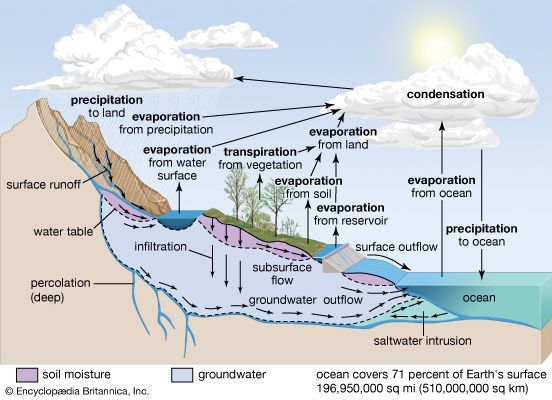
- Water Exchange: Inland lakes are part of the global hydrologic cycle, receiving water from precipitation or rivers and losing it through evaporation or drainage. Coastal lakes are influenced by the influx and egress of tidal waters through inlets, which creates unique, often brackish, water conditions.35
- Salinity and Intrusion: While inland lakes can be fresh or saline depending on their drainage basin, coastal lakes are particularly susceptible to saltwater intrusion. This process, often exacerbated by rising sea levels or human activity, can alter the salinity and ecological balance of coastal water bodies.6
What kind of wildlife lives in the Gippsland region?
The Gippsland region of southeastern Victoria features a diverse array of wildlife, supported by the state’s progressive conservation policies under the Flora and Fauna Guarantee Act of 1988.10
The region’s varied landscapes—ranging from forested hills and wetlands to coastal areas—host a wide spectrum of native species:
- Mammals: Common marsupials found throughout Victoria include kangaroos, wallabies, bandicoots, and wombats. Koalas are also present in wooded regions, while the Australian fur seal inhabits the coastline.10
- Birds: The wetlands and lakes, such as those within the Gippsland Lakes region, are populated by various native ducks and waterbirds. Cormorants are frequently seen along the coast, and the area is home to diverse passeriform birds, including honeyeaters and fairy wrens, as well as several types of cockatoos.10
- Other Wildlife: The region supports various reptiles, and non-native species such as red deer are also present in parts of the state.10
Sources
- Lake Tyers — Encyclopædia Britannica
- list of lakes - Australia — Encyclopædia Britannica
- Inland water ecosystem - The origin of inland waters — Encyclopædia Britannica
- Inland water ecosystem - Saline lakes — Encyclopædia Britannica
- Inland water ecosystem - Permanent bodies of standing fresh water — Encyclopædia Britannica
- Inland water ecosystem - Population and community development and structure — Encyclopædia Britannica
- saltwater intrusion — Encyclopædia Britannica
- lake - Basins formed by fluvial and marine processes — Encyclopædia Britannica
- lagoon - Barrier island lagoons — Encyclopædia Britannica
- Victoria - Plant and animal life — Encyclopædia Britannica
- Lakes Entrance — Encyclopædia Britannica
- Gippsland — Encyclopædia Britannica
Published on · 3 min read