Leaf Cactus
The term "leaf cactus" can refer to two distinct groups within the Cactaceae family, which often leads to confusion:
What is leaf cactus?
The term “leaf cactus” can refer to two distinct groups within the Cactaceae family, which often leads to confusion:
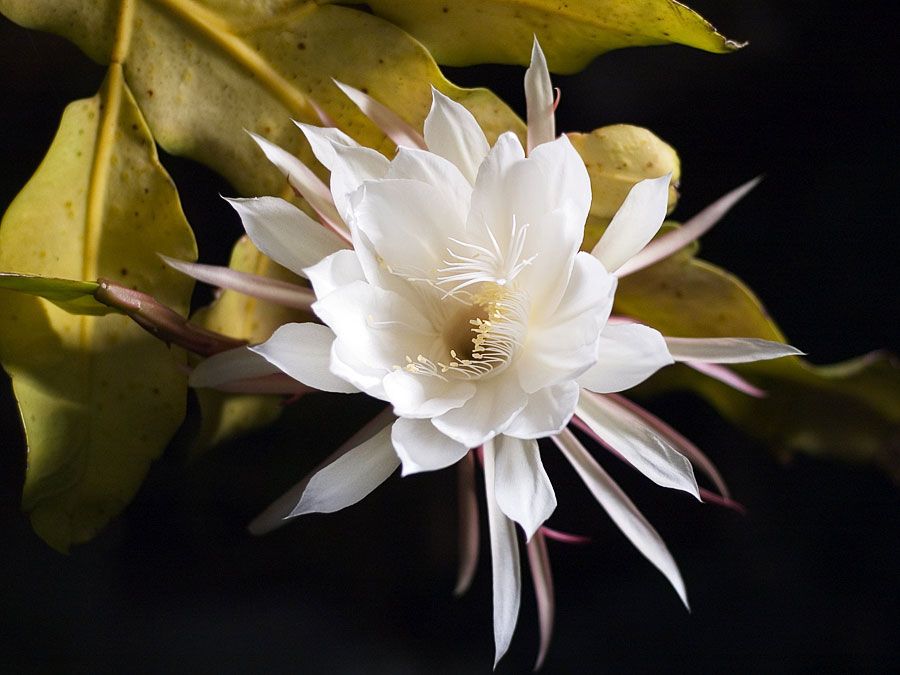
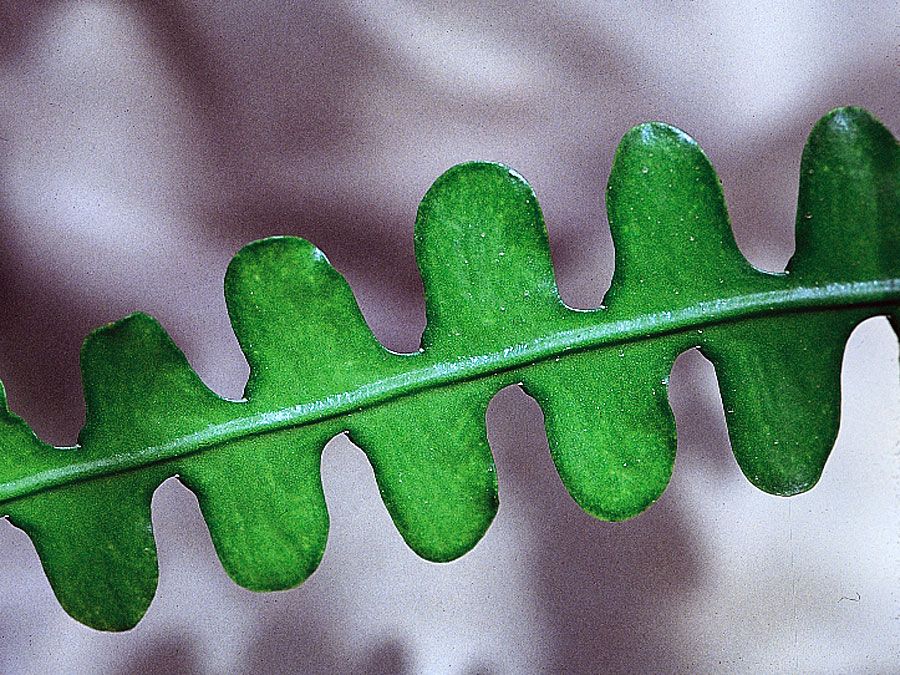
- Genus Epiphyllum: Often called “leaf cactus,” these plants are primarily epiphytic and native to tropical America. They are characterized by flattened, nonspiny stems that perform the function of leaves. They are widely cultivated for their large, showy, and often fragrant nocturnal [flowers].12
- Genus Pereskia: Sometimes referred to as “leafy cactus,” this genus is unique among cacti because its members possess true, non-succulent leaves. Unlike the flattened stems of Epiphyllum, Pereskia species typically have thin stems and are often armed with spines. One notable species, P. aculeata (Barbados gooseberry), is grown for its edible [fruit].32
While most cacti have evolved to rely on their stems for photosynthesis, these two groups represent different evolutionary strategies within the family—one by modifying stems to act as leaves and the other by retaining true leaves.2
What are epiphytic plants and how do they survive?
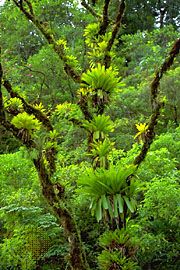
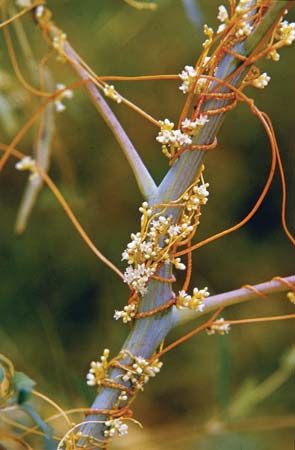
An epiphyte is a plant that grows on another plant or object solely for physical support, rather than for nourishment. Unlike parasitic plants, epiphytes do not derive nutrients from their host. Often called “air plants,” they are most common in moist tropical regions, where growing high in the tree canopy allows them to access sunlight that would otherwise be blocked by dense forest foliage.56
Epiphytes have developed specialized survival strategies to thrive without soil:
- Water Acquisition: They obtain moisture from rain and water vapor in the air. While many use their roots to absorb water, others utilize specialized leaves for this purpose.5
- Nutrient Intake: Minerals are gathered from rain, while essential nutrients are absorbed from organic debris and leaf litter that accumulates on the host plant.5
- Reproduction: Because their habitats are isolated, many epiphytes rely on wind to disperse their dustlike or feathery seeds. Others produce edible fruits to attract birds and animals for dispersal.5
How do cacti use areoles to protect themselves?
Areoles are specialized, cushionlike structures unique to the cactus family that serve as the primary site for the development of protective spines. These structures protect the plant in several key ways:
- Physical Defense: Most areoles produce tufts of spines that act as a deterrent against herbivores. These spines can be stiff and needlelike, or sometimes hooked, bristly, or sheathed, depending on the species.37
- Solar Protection: Radial spines, which grow laterally from the edges of the areole, often appear white. These spines help reflect intense solar radiation, providing necessary shade and protecting the plant’s body from overheating and sun damage.3
- Structural Adaptation: In many species, the areole is the site where the plant’s defensive mechanisms are concentrated. While most ground-dwelling cacti rely on these spines for protection, some species have evolved alternative survival strategies, such as aggressive chemical defenses, or have lost their spines entirely in environments where such protection is unnecessary, such as in epiphytic cacti.3
Why do most cacti lack true leaves?
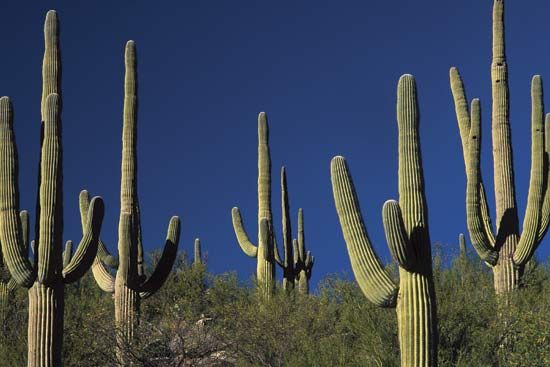
Most cacti lack true leaves as an evolutionary adaptation to survive in arid environments. By reducing or eliminating leaves, these plants significantly decrease their surface area, which minimizes water loss through transpiration. In the absence of leaves, the stem has taken over the essential functions of photosynthesis and food storage7.
In many species, leaves are either entirely absent, greatly reduced, or modified into spines. These spines, which emerge from specialized structures called areoles, provide protection against herbivores and can help shade the stem from intense solar radiation. While a few tropical genera, such as Pereskia, retain conventional-looking leaves, the vast majority of cacti have evolved to rely on their fleshy, chlorophyll-containing stems to thrive in dry regions.8
Sources
- leaf cactus — Encyclopædia Britannica
- Pereskia — Encyclopædia Britannica
- Caryophyllales - Cactaceae — Encyclopædia Britannica
- Pereskia — Merriam-Webster
- Did you know? — Merriam-Webster
- Epiphyte — Encyclopædia Britannica
- cactus — Encyclopædia Britannica
- Succulent — Encyclopædia Britannica
Published on · 3 min read