Moonlight Cactus
The moonlight cactus refers to the genus Selenicereus, which comprises approximately 20 species of cacti native to tropical and subtropical regions of the…
What is moonlight cactus?
The moonlight cactus refers to the genus Selenicereus, which comprises approximately 20 species of cacti native to tropical and subtropical regions of the Americas and the West Indies.1
These plants are characterized by their large, fragrant, white flowers that bloom at night and typically last for only one evening. Because of this, they are often pollinated by moths. The genus includes the well-known queen-of-the-night (Selenicereus grandiflorus), which is frequently cultivated indoors.1
Depending on the species, these cacti may grow along the ground or function as epiphytes, using aerial roots to cling to trees or other surfaces. Their stems are typically ribbed or flattened and feature short spines, while their mature fruits are fleshy, spiny, and red. They are sometimes confused with leaf cacti and are occasionally referred to by the common name “night-blooming cereus,” though that term is applied to many other cacti as well.1
What are epiphytes and how do they grow?
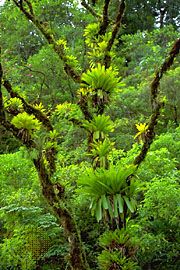
An epiphyte is a plant that grows on another plant or object solely for physical support. Unlike parasitic plants, epiphytes do not derive nourishment from their host; they are often called “air plants” because they do not require soil to survive.23
How Epiphytes Grow
Epiphytes thrive by occupying niches that provide better access to environmental resources:
- Access to Light: By growing high in the tree canopy, they escape the dense shade of the forest floor to reach sunlight.3
- Water Absorption: They obtain moisture from rain and water vapor in the air. While most use their roots to absorb water, many also utilize specialized leaves for this purpose.3
- Nutrient Acquisition: They collect minerals from rain and absorb nutrients from organic debris—such as decaying leaves—that accumulates on their host plants.3
- Dispersal: Because their habitats are often isolated, many rely on wind to spread dustlike seeds, while others produce edible fruits consumed and dispersed by animals.3
Common examples include orchids, ferns, mosses, and members of the Bromeliaceae family.23
Why do some flowers only bloom at night?
Flowers that bloom at night, known as phalaenophilous or chiropterophilous plants, have evolved this timing to align with the activity patterns of their specific nocturnal pollinators. By opening after sunset, these plants ensure they are receptive when their primary visitors—such as moths and bats—are active and searching for food.45
These flowers utilize specific adaptations to attract nocturnal visitors in low-light conditions:
- Visual Cues: They are typically white or light-colored, making them easier for pollinators to spot against the dark background of the night.45
- Fragrance: Many night-blooming flowers are highly fragrant, releasing strong, musky, or fermented odors that help guide insects and mammals to them.45
- Structural Design: To accommodate their pollinators, these flowers are often shaped like vases or have long, narrow tubes without landing platforms, which suit hovering visitors like hawk moths or nectar-feeding bats.45
- Nutritional Rewards: They produce nectar and, in the case of bat-pollinated plants, protein-rich pollen that supports the health of their nocturnal visitors.45
How do moths help pollinate night-blooming plants?
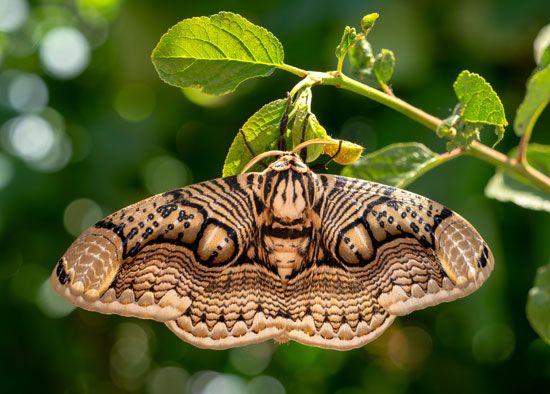
Moths facilitate the pollination of night-blooming plants primarily through their specialized anatomy and nocturnal activity. Unlike butterflies, which typically land on flowers, most moths hover in front of the bloom while feeding, using a long, coiled tongue known as a proboscis to reach nectar hidden deep within slender floral tubes.47
As moths move between flowers to feed, they inadvertently transfer pollen, ensuring the plant’s reproductive success. This relationship is often highly specialized:
- Morphological Matching: Many plants have evolved long, narrow nectaries that require a moth with a matching proboscis length to reach the nectar, as famously observed by Charles Darwin regarding the orchid Angraecum sesquipedale.7
- Mutualism: In some cases, such as with yucca moths, the relationship is an intimate form of coevolution where the insect and plant are entirely dependent on one another for their life cycles.4
- Sensory Attraction: Moths are guided to these flowers by strong, sweet, or musky fragrances and the high visibility of white or light-colored petals in low-light conditions.47
Sources
- moonlight cactus — Encyclopædia Britannica
- Did you know? — Merriam-Webster
- Epiphyte — Encyclopædia Britannica
- Major types of pollinators - Butterflies and moths — Encyclopædia Britannica
- Pollination - Beetles and flies — Encyclopædia Britannica
- Bat-loving flowers — Encyclopædia Britannica
- orchid - Moth and butterfly pollination — Encyclopædia Britannica
Published on · 3 min read