Leptospermum
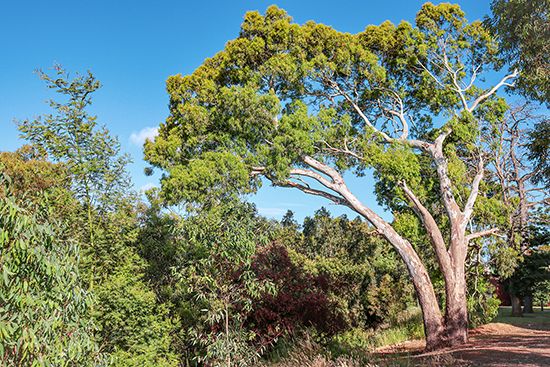
Leptospermum is a genus comprising approximately 40 species of subtropical evergreen shrubs and small trees belonging to the myrtle family (Myrtaceae).…
What is Leptospermum?
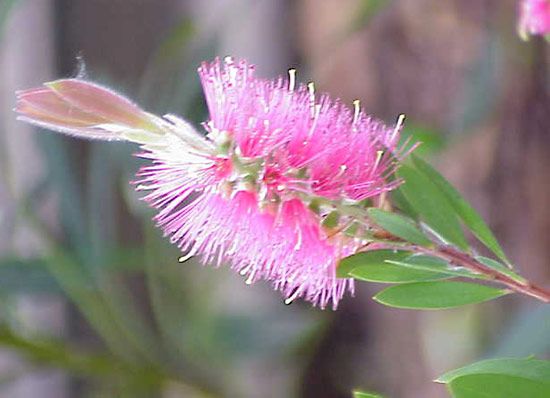
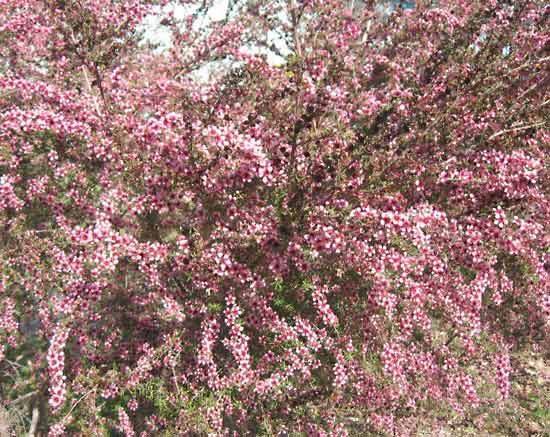
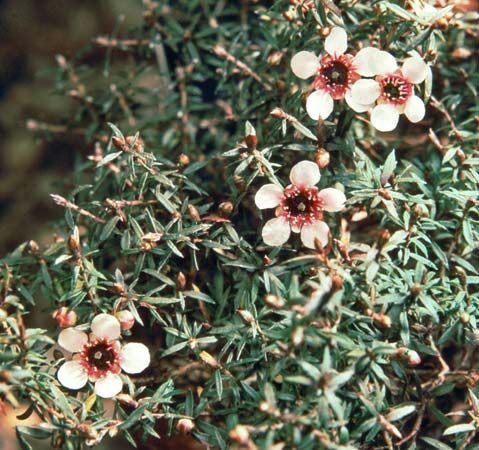
Leptospermum is a genus comprising approximately 40 species of subtropical evergreen shrubs and small trees belonging to the myrtle family (Myrtaceae). Native to Australasia, these plants are characterized by their small, rigid, alternate leaves and showy, roselike flowers.12
Many species within this genus are commonly referred to as tea trees. Notable examples include:
- Australian tea tree (Leptospermum laevigatum): Known for its shredding bark and white flowers, this species is frequently utilized for erosion control and land reclamation on sandy soils.1
- Woolly tea tree (L. lanigerum): Distinguished by its fuzzy young shoots.1
- New Zealand tea tree (or manuka, L. scoparium): Features a variety of cultivars with flower colors ranging from white to rose-red and foliage that varies from gray-green to brownish.1
Due to their aesthetic appeal, several species have been introduced to temperate regions for cultivation in greenhouses.1
How is Manuka honey produced from these plants?
Manuka honey is produced by honeybees that collect nectar from the flowers of the Leptospermum scoparium shrub, commonly known as the manuka tree.
The production process follows the standard methods of beekeeping:
- Nectar Collection: Bees forage for nectar from manuka blossoms during the plant’s flowering season.
- Evaporation: Once the nectar is brought back to the hive, the bees evaporate the water content until the substance reaches the desired consistency.
- Sealing: The bees store the honey in honeycomb cells and seal them with wax once the moisture levels are appropriate.
- Extraction: Beekeepers remove the filled combs, uncap the cells, and extract the honey.
- Processing: The honey is typically heated to approximately 140 °F (60 °C) to thin the liquid and prevent fermentation, then strained to remove wax and pollen before being packaged for market. pollen before being packaged for market.3
What are the benefits of the myrtle family of plants?
The Myrtaceae family, commonly known as the myrtle family, provides significant economic and ecological benefits through its diverse range of trees and shrubs.45
Economic and Industrial Uses
- Timber and Wood Products: The genus Eucalyptus is highly valued for its rapid growth, serving as a major source of wood, pulp, and paper. Other genera, such as Metrosideros, Angophora, and Syzygium, are also utilized for timber.6
- Spices and Flavorings: The family is a primary source of culinary spices, most notably cloves (Syzygium aromaticum) and allspice (Pimenta dioica).46
- Essential Oils: Many species contain oil glands that produce valuable essential oils. These are used in the perfume industry and for their medicinal properties, including germicidal and fever-controlling effects.46
- Tanning: Tannins extracted from the bark and foliage of certain species, such as Eucalyptus astringens, are used in the tanning of hides.6
Food and Horticulture
- Edible Fruits: Several members, including guava, feijoa, and jaboticaba, produce edible fruits used in jellies, preserves, and beverages. Guava is particularly noted for its high vitamin C content.46
- Ornamentals: Many species are cultivated for their aesthetic appeal, including bottlebrush and various Leptospermum hybrids.6
Why are some species called tea trees?
The term “tea tree” is applied to various Australasian shrubs and trees, primarily within the myrtle family, such as those in the genera Leptospermum and Melaleuca. These plants are called tea trees because of the historical practice of using an infusion of their leaves as a beverage.819
It is important to distinguish these plants from the true tea plant (Camellia sinensis), which belongs to the tea family and is the source of the common beverage tea. While the name “tea tree” reflects a traditional use of the leaves for brewing, many of these species—particularly Melaleuca alternifolia—are now more widely recognized for the essential oil extracted from their leaves, which is used for its medicinal and antiseptic properties.101189
Sources
- Leptospermum — Encyclopædia Britannica
- Leptospermum — Merriam-Webster
- Beekeeping - Liquid honey — Encyclopædia Britannica
- Myrtaceae — Encyclopædia Britannica
- list of plants in the family Myrtaceae — Encyclopædia Britannica
- Myricaceae — Encyclopædia Britannica
- Myrtales - Economic and ecological importance — Encyclopædia Britannica
- tea tree — Merriam-Webster
- tea tree oil — Encyclopædia Britannica
- Camellia — Encyclopædia Britannica
- tea — Encyclopædia Britannica
- prickly tea tree — Merriam-Webster
Published on · 3 min read