Lophophore Hypothesis
The "lophophore hypothesis" is a scientific viewpoint regarding the nature of conodonts, which are small, toothlike fossils found in marine rocks across a…
What is lophophore hypothesis?
The “lophophore hypothesis” is a scientific viewpoint regarding the nature of conodonts, which are small, toothlike fossils found in marine rocks across a vast span of geologic time.1
According to this hypothesis, these structures served as supports for a lophophore—a specialized, frilled, or fringed organ used for respiration and for straining or gathering minute organisms for food. While lophophores are characteristic of certain invertebrate groups such as bryozoans and brachiopods, the hypothesis suggests that the animals possessing these conodont-bearing structures were likely distinct from any currently known group of organisms.12
What are conodonts and why are they important to paleontologists?
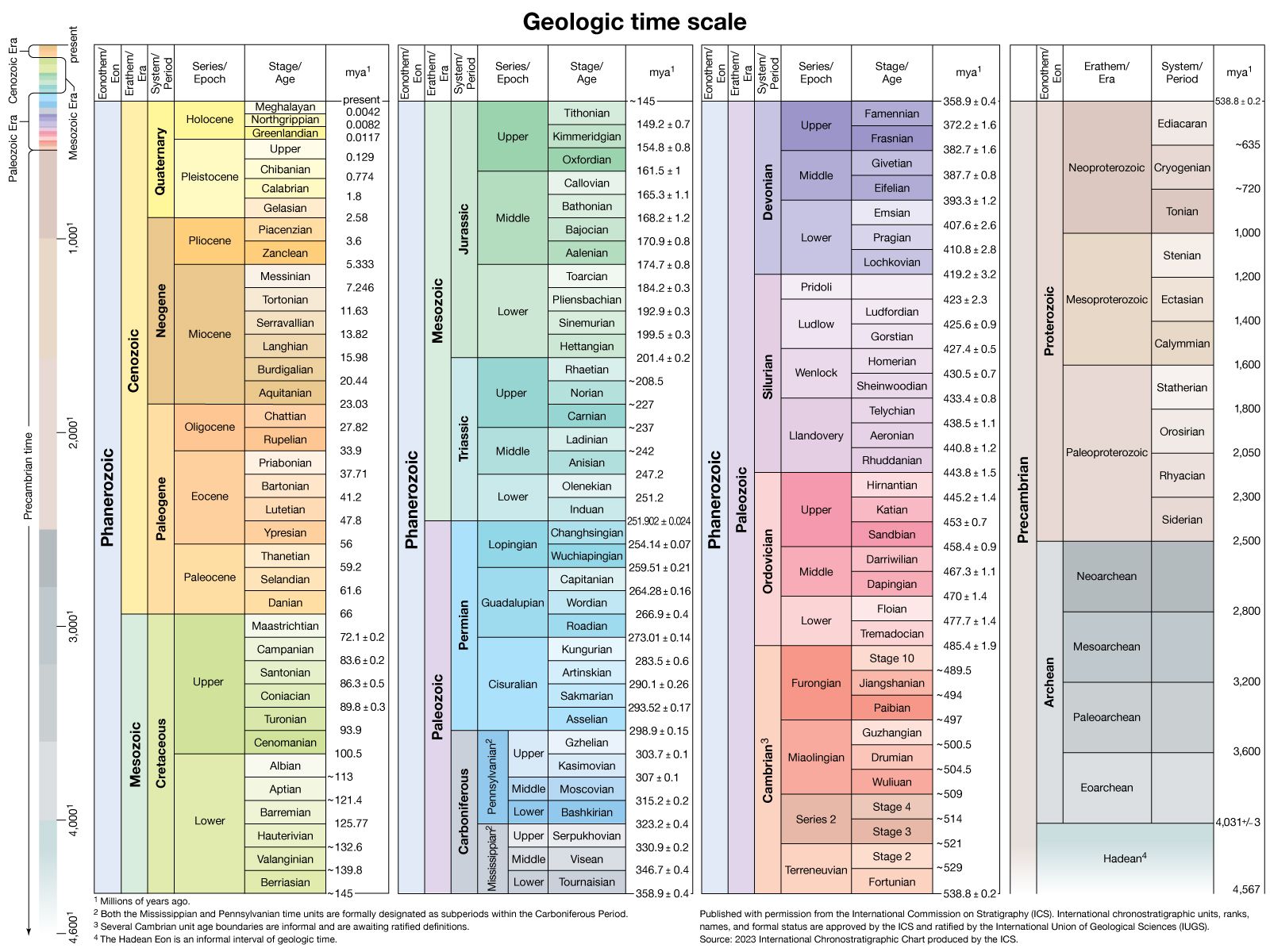
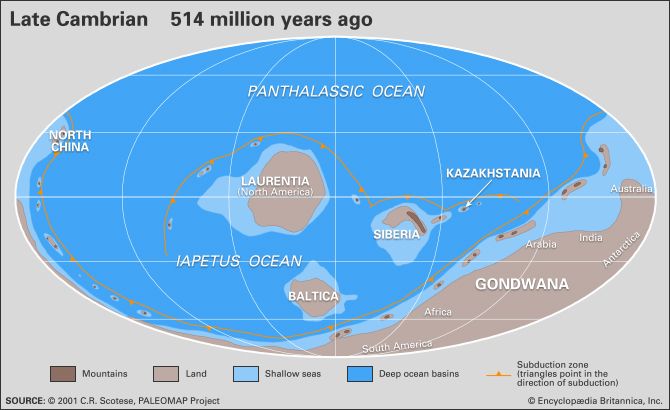
Conodonts are minute, toothlike fossils composed of calcium phosphate, typically ranging from 0.2 mm to 6 mm in length. They represent the remains of small, extinct marine animals that lived between 542 million and 200 million years ago, spanning from the Cambrian Period to the end of the Triassic Period.4
These microfossils are invaluable to paleontologists for several reasons:
- Biostratigraphy: Because conodonts evolved rapidly, their distinct shapes changed significantly over geologic time. This allows scientists to use specific conodont assemblages to identify and correlate sedimentary rock strata across different regions of the world.4
- Global Distribution: Conodonts were widespread in ancient oceans, making them reliable reference standards for dating rock sequences in places like North America, Europe, and Morocco.4
- Zonal Schemes: Paleontologists have established detailed “zones” based on these fossils, providing a precise framework for organizing the geologic record, particularly within the Devonian Period4.
How do brachiopods and bryozoans use their lophophores to feed?
Both brachiopods and bryozoans utilize a lophophore—a specialized, fan-shaped organ featuring ciliated tentacles—to capture food from the water column. While their mechanisms share similarities, they exhibit distinct behaviors:15
Feeding Mechanisms
- Water Currents: Both groups rely on the beating of cilia (hairlike structures) to create water currents that draw food particles toward the mouth.1
- Bryozoans: In marine species, the tentacles form a funnel with the mouth at its vertex. Long lateral cilia draw water into the funnel, while shorter cilia on the inner face of the tentacles transport food particles directly to the mouth. If particles escape the funnel, the ciliary beat can reverse to flick them back inside.6
- Brachiopods: These animals open their shells to allow water to flow over the lophophore. Cilia in the grooves of the lophophore filaments capture food particles, often trapping them in mucus before moving them toward the mouth. Some species use specific shell structures or bristle-like setae to separate incoming food-bearing currents from outgoing waste-bearing currents.7
What are the main differences between lophophorates and other aquatic invertebrates?
Lophophorates are defined primarily by the presence of a lophophore, a specialized fan of ciliated tentacles surrounding the mouth used for filter feeding. This group consists of three distinct phyla: Bryozoa (moss animals), Brachiopoda (lamp shells), and Phoronida (horseshoe worms).1
The primary differences between lophophorates and other invertebrates, such as the Panarthropoda group (which includes onychophorans and tardigrades), involve their structural development and growth strategies:
- Feeding Structures: Lophophorates rely on the ciliated lophophore to create water currents for gathering food. In contrast, other invertebrates like lobopods and arthropods are characterized by paired locomotory appendages (lobopodia) and often lack such specialized feeding fans.19
- Growth and Molting: Many other invertebrates, particularly those in the Panarthropoda group, possess an external cuticle that must be shed periodically through molting to allow for growth. Lophophorates do not share this specific molting mechanism as a defining characteristic.9
- Evolutionary Relationships: While lophophorates were once thought to be closely related, current scientific consensus suggests the three phyla are not closely related to each other. Conversely, groups like lobopods and arthropods share deep evolutionary links, often grouped together due to their shared cuticle and molting traits.19
Sources
- lophophorate — Encyclopædia Britannica
- lophophore — Merriam-Webster
- lophophore hypothesis — Encyclopædia Britannica
- conodont — Encyclopædia Britannica
- moss animal - Food and feeding — Encyclopædia Britannica
- lamp shells - Behaviour and ecology — Encyclopædia Britannica
- lophophorate — Merriam-Webster
- moss animal - Size range and diversity of structure — Encyclopædia Britannica
- lobopod — Encyclopædia Britannica
Published on · 3 min read