Lumpsucker
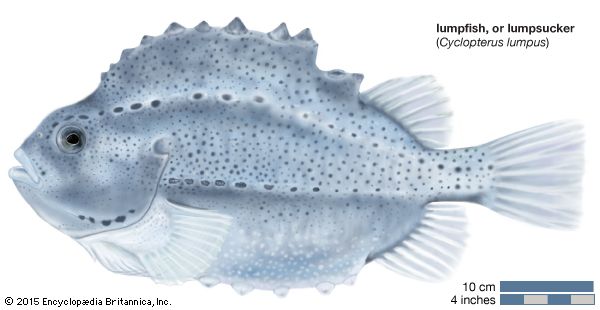
Lumpsuckers are carnivorous, slow-moving marine fish belonging to the family Cyclopteridae, typically found in cold northern waters. While they are known for…
What role do lumpsucker fish play in their ecosystem?
Lumpsuckers are carnivorous, slow-moving marine fish belonging to the family Cyclopteridae, typically found in cold northern waters. While they are known for their unique physical characteristics—such as a specialized sucking disk formed from their pelvic fins that allows them to anchor firmly to the sea bottom—the provided information does not detail their specific ecological role or interactions within their food web.12
We could dive deeper into the biology of other Scorpaeniformes or explore the life cycles of different marine species if you would like to know more.
Are there any commercial uses for lumpsucker fish?
The provided search results do not contain information regarding commercial uses for lumpsucker fish. While the lumpsucker is recognized as a member of the family Cyclopteridae found in cold northern waters, the available documentation focuses on its physical characteristics and reproductive behavior rather than its economic or industrial applications.
How big do lumpsucker fish typically grow?
Lumpsucker fish vary in size depending on the species, but the most notable member of the family, Cyclopterus lumpus (also known as the sea hen), is considered a large variety. This species typically reaches a maximum length of about 60 centimetres (2 feet) and can weigh between 5 and 6 kilograms (11–13 pounds).1
What do lumpsucker fish eat and how do they catch their prey?
Lumpsuckers are carnivorous fish that inhabit cold northern waters. While the provided search results confirm their carnivorous nature, they do not offer specific details regarding the exact composition of their diet or the specific hunting techniques they employ to capture prey.
These fish are primarily known for their sedentary lifestyle, utilizing a specialized sucking disk derived from their pelvic fins to anchor themselves firmly to the sea bottom, which allows them to resist strong currents and wave action.
Sources
- lumpsucker — Encyclopædia Britannica
- lumpsucker — Merriam-Webster
- snailfish — Encyclopædia Britannica
- scorpaeniform - Ecology — Encyclopædia Britannica
- fish louse — Encyclopædia Britannica
Published on · 1 min read