Sea Bass
Sea bass, belonging to the family Serranidae, are primarily marine fish found in the shallower regions of warm and tropical seas globally. While they inhabit…
Where are sea bass typically found in the wild, and what are their preferred habitats?
Sea bass, belonging to the family Serranidae, are primarily marine fish found in the shallower regions of warm and tropical seas globally. While they inhabit a wide range of environments, their specific habitat preferences depend on the species:1
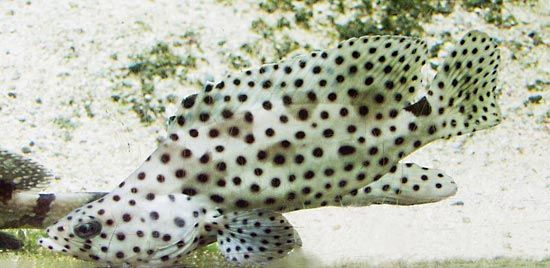
- Tropical and Warm Waters: Most serranid sea basses, such as the grouper and graysby, thrive in shallow tropical and warm marine environments.1
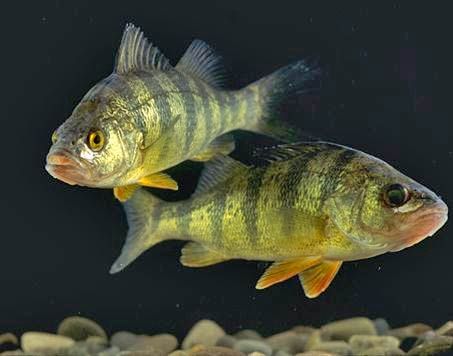
- Temperate Regions: Species within the family Moronidae—often categorized as temperate basses—inhabit the cooler waters of North America and Europe.1
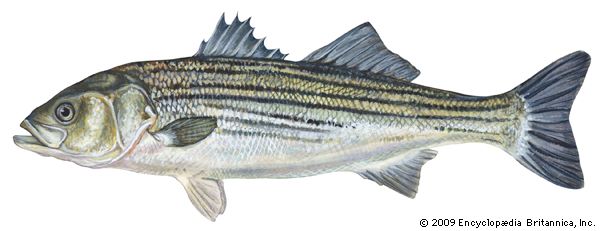
- Coastal and Estuarine Areas: Many temperate species, including the European bass, are frequently found in river mouths and coastal areas. Some, like the striped bass, are known to enter rivers specifically to spawn.1
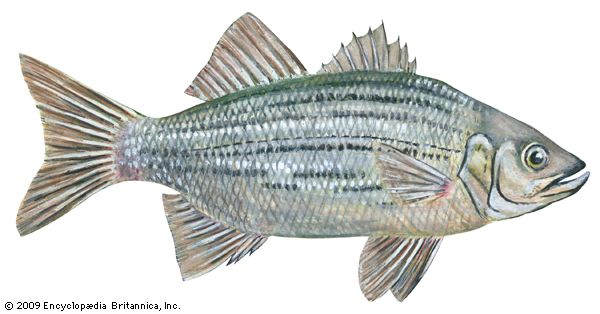
- Freshwater: Certain species, such as the white perch, may be found in fresh water and can even become permanently landlocked in streams and ponds.1
How do sea bass fit into the marine food chain, both as predators and prey?
Sea bass (family Serranidae) play a significant role in marine ecosystems as active carnivores. Their position in the food chain is defined by their predatory behavior and their interactions with various trophic levels.
As Predators
Sea bass are carnivorous, feeding on a diverse range of prey including fish, crustaceans, mollusks, and other invertebrates. Their hunting strategies vary by species:1
- Active Hunters: Many sea bass are active swimmers that pursue their prey through the water column.1
- Ambush Predators: Others, such as groupers, are more sedentary and often rely on ambush tactics to capture unsuspecting prey.1
As Prey and Trophic Dynamics
While sea bass act as predators, they are also subject to the pressures of the marine food web. In aquatic ecosystems, the presence or removal of predatory fish—including various game fish—can trigger a trophic cascade, a phenomenon where changes at the top of the food chain cause reciprocal shifts in the populations of prey and primary producers.2
When top predators are removed, often due to overfishing, it can lead to “mesopredator release,” where medium-sized predators increase in number, further altering the balance of the ecosystem. Consequently, the conservation of these predatory fish is essential for maintaining the structural integrity and health of the marine environments they inhabit.2
What are the main characteristics that distinguish sea bass from other fish species?
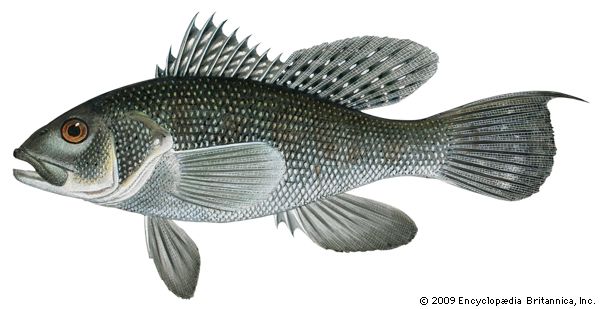
Sea bass, which belong to the family Serranidae, are characterized by their perchlike appearance and several distinct physical and biological traits that help distinguish them from other fish species:
- Dorsal Fin Structure: A primary diagnostic feature is the dorsal fin, which is typically divided into two sections: a forward portion supported by spines and a hinder portion with soft rays. In most serranids, these sections are joined, though they may be separated by a notch. In contrast, the related Moronidae family—often called temperate basses—is distinguished by two separate dorsal fins joined only at the base.1
- Body and Mouth: They generally possess an elongated body covered in small scales, a large mouth, and a tail that is typically straight-edged or rounded.1
- Feeding Adaptations: As active carnivores, they are equipped with numerous short, fine, and pointed teeth designed for capturing prey such as fish, crustaceans, and mollusks.14
- Reproductive Biology: Some species exhibit unique reproductive strategies, such as being hermaphroditic or maturing as one sex and later changing to the other.1
- Size and Coloration: They vary significantly in size, ranging from a few centimeters to massive specimens like the goliath grouper. Many species also possess the ability to change their color patterns.1
What are the different species of sea bass, and how do they differ from each other?
The term “sea bass” refers to a vast group of approximately 475 species within the family Serranidae. These fish are primarily found in warm, tropical, and shallow marine environments, though they exhibit significant diversity in size, behavior, and reproductive biology.1
Key Distinctions Among Species
Sea bass are categorized into various groups, including groupers, hinds, and hamlets. They differ based on several factors:
- Size: Species range from small fish measuring a few centimeters to massive giants. The goliath grouper can reach 2.5 meters and 455 kg, while the giant grouper can grow even larger, up to 2.7 meters.178
- Behavior: While many are active swimmers, others like groupers are sedentary ambush predators.1
- Reproduction: Some species are hermaphroditic, while others, such as groupers, are protogynous hermaphrodites that transition from female to male as they mature.17
- Coloration: Many species can change color patterns, and some exhibit different colorations based on depth or age.17
Temperate Basses
The family Moronidae includes about six species found in northern, temperate waters. Unlike typical serranids, these have two separate dorsal fins joined only at the base. Notable examples include the striped bass, the white bass, and the European bass.1
Sources
- sea bass — Encyclopædia Britannica
- sea bass — Merriam-Webster
- trophic cascade — Encyclopædia Britannica
- scorpaeniform - Annotated classification — Encyclopædia Britannica
- perciform - Form and function — Encyclopædia Britannica
- bass — Encyclopædia Britannica
- grouper — Encyclopædia Britannica
- black sea bass — Merriam-Webster
- goliath grouper — Encyclopædia Britannica
Published on · 4 min read