Maba Cranium
The Maba cranium, discovered in southern China, represents a significant transitional form in human evolution. Dating to approximately 130,000 years ago, it…
How does the Maba cranium compare to other hominin fossils from a similar time period?
The Maba cranium, discovered in southern China, represents a significant transitional form in human evolution. Dating to approximately 130,000 years ago, it shares a temporal window with Neanderthals in Europe.1
When compared to other hominin fossils, the Maba specimen exhibits a unique blend of characteristics:
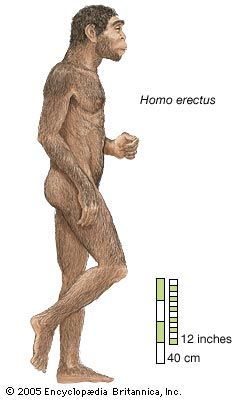
- Similarities to Homo erectus: Like Homo erectus, the Maba cranium features pronounced browridges that arch over the eyes, as well as a low, thick braincase.1
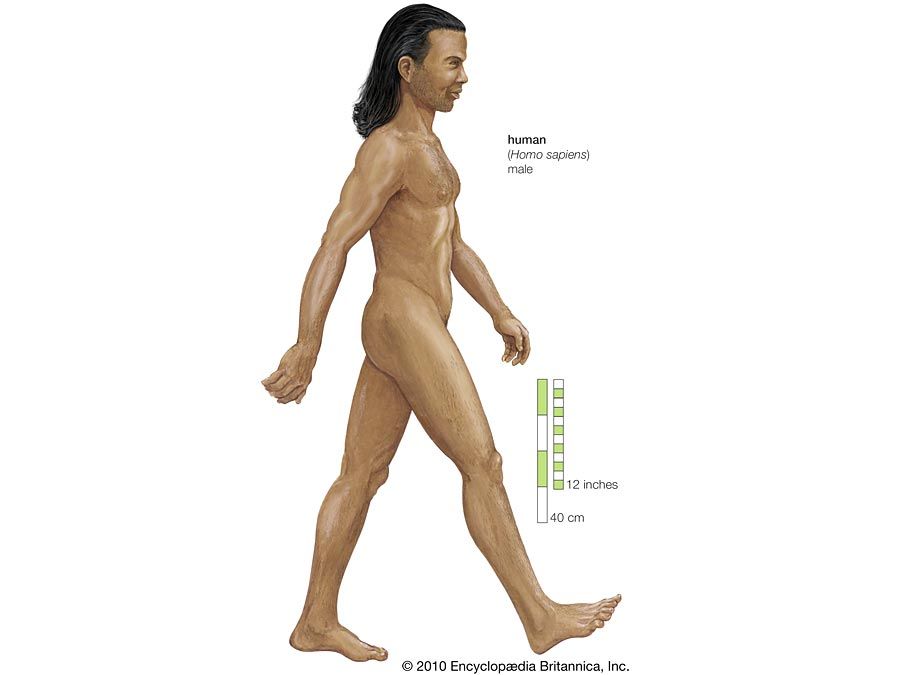
- Advancements toward Homo sapiens: Despite these archaic traits, the brain size is estimated to be larger than that of H. erectus, leading many experts to classify it as archaic Homo sapiens or an Asian representative of Homo heidelbergensis or an Asian representative of Homo heidelbergensis.1
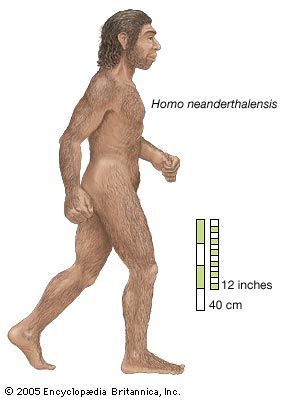
- Comparison to Neanderthals: While early descriptions noted superficial similarities to European and western Asian Neanderthals, the Maba cranium lacks the specific, diagnostic anatomical features that define the Neanderthal lineage, complicating its precise classification.1
What methods were used to date the Maba cranium?
The Maba cranium was not dated through direct analysis of the human remains themselves. Instead, researchers determined its age by examining the animal fossils found in the same geological deposit as the skull. By analyzing these associated faunal remains, scientists have estimated the age of the Maba cranium to be approximately 130,000 years old.1
When direct radiometric methods—such as potassium-argon dating—cannot be applied to a specific fossil, investigators often rely on this method of relative dating, which involves relating the specimen to the other contents of the deposit in which it was discovered.2
Are there any signs of injury or disease visible on the Maba cranium?
The Maba cranium does show evidence of a significant injury. Scientific analysis of the specimen has revealed a depressed fracture on the left side of the frontal bone, which appears to have been caused by a blunt-force impact. Notably, the edges of this wound show signs of bone remodeling, indicating that the individual survived the injury for a period of time after the trauma occurred.1
How old is the Maba cranium and which hominin species does it belong to?
The Maba cranium is estimated to be approximately 130,000 years old, a date determined by analyzing the animal fossils found within the same geological deposit.1
Regarding its classification, the Maba cranium exhibits features intermediate between Homo erectus and Homo sapiens. Consequently, many authorities classify the remains as archaic H. sapiens or as an Asian representative of Homo heidelbergensis. While early descriptions noted similarities to Neanderthals, the specimen lacks the specific anatomical traits unique to that group, which continues to make its precise classification a subject of scientific discussion.1
Sources
- Maba cranium — Encyclopædia Britannica
- Zhoukoudian — Encyclopædia Britannica
- Homo erectus - Dating the fossils — Encyclopædia Britannica
Published on · 2 min read