Malwa Plateau
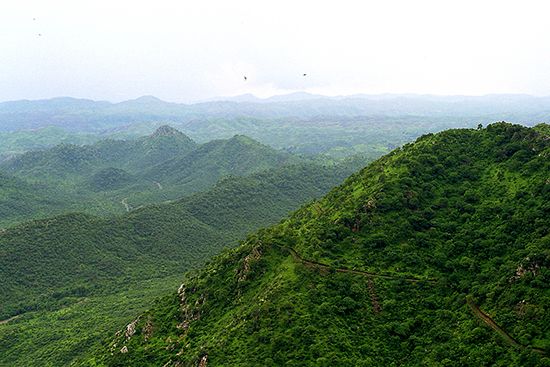
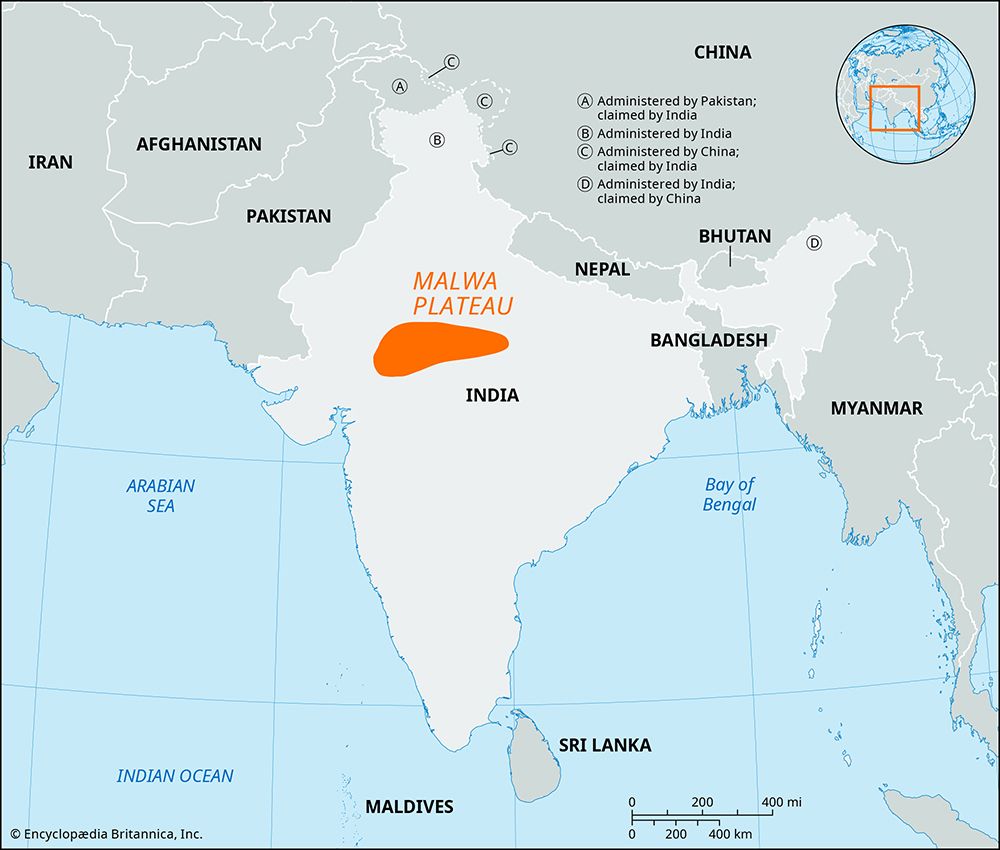
The Malwa Plateau, located in north-central India, features a well-defined drainage system that supports its agricultural economy. It is important to…
What are the major rivers and water sources in the Malwa Plateau region?
The Malwa Plateau, located in north-central India, features a well-defined drainage system that supports its agricultural economy. It is important to distinguish this region from the Malwa Plains in Punjab, which are a separate geographical entity.12
The plateau’s drainage is divided across its sections:
- Western section: Drained by the Mahi River1.
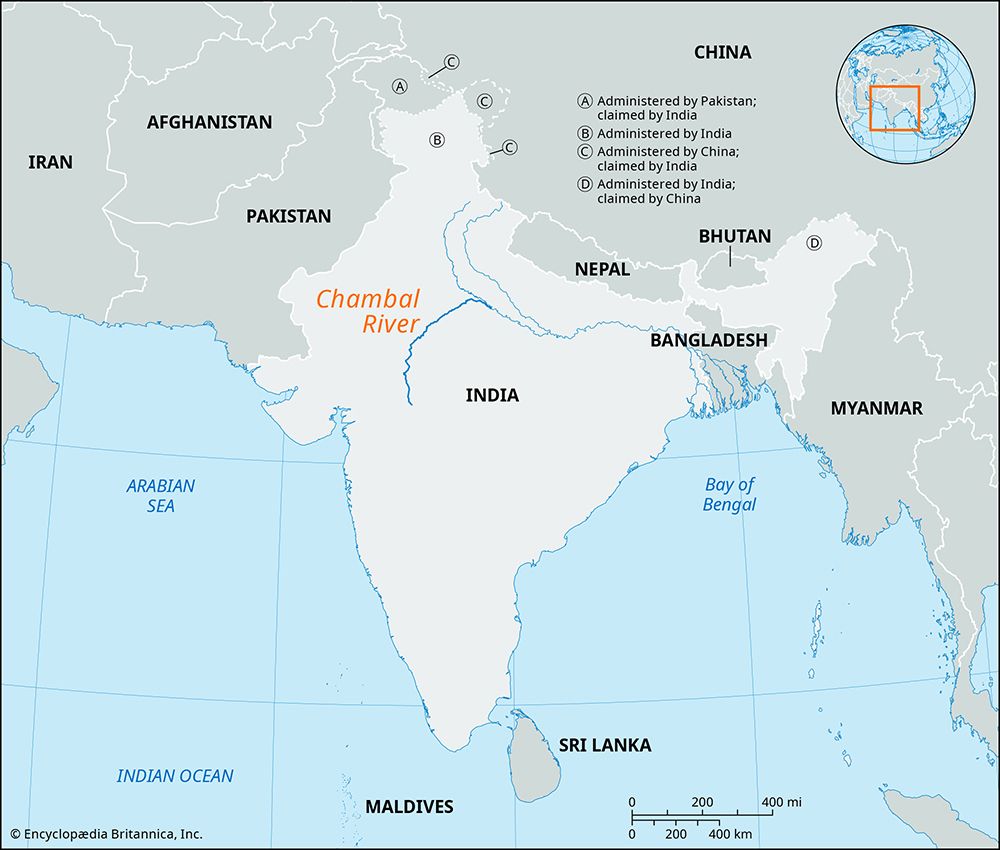
- Middle section: Drained by the Chambal River.1
- Eastern section: Drained by the Betwa River and the headwaters of the Dhasan and Ken rivers.1
Other notable rivers flowing through the region include the Parbati, Sipra, Gambhir, and Choti Kali Sindh. These river valleys are characterized by terraced slopes.1
Beyond natural river systems, the Chambal Valley Development Scheme serves as a critical water source for the region, providing essential water for irrigation and generating hydroelectric power.1
How does the Malwa Plateau compare to other plateaus in India?
The Malwa Plateau is a distinct geographical feature within India’s “peninsular foreland,” situated between the Aravalli Range to the northwest and the Vindhya Range to the south and east. Compared to other Indian plateaus, it is characterized by its specific volcanic origin and basaltic composition.14
Key comparisons include:
- Geological Context: Unlike the mineral-rich Chota Nagpur plateau, which is defined by rolling terrain and numerous scarps, the Malwa Plateau is a fertile, basaltic region. It shares its volcanic nature with the larger Deccan lava plateau to the south, though the Malwa region is geographically separated from the Deccan by the Vindhya and Satpura ranges.1
- Elevation and Relief: With an elevation of 1,650 to 2,000 feet (500 to 600 meters), the Malwa Plateau is relatively consistent in height compared to the Madhya Bharat Plateau, which slopes more significantly from south to north.435
- Landform Features: While the Malwa Plateau features isolated mesas carved by erosion, these formations are even more characteristic of the vast Deccan lava plateau.41
What types of soil are found in the Malwa Plateau region?
The Malwa Plateau is primarily characterized by the presence of black soils, which are among the most significant in situ soils found in India’s lava-covered regions.1
These soils, often referred to as regur or “black cotton soils,” are derivatives of trap lava. Their formation is a result of the region’s underlying basaltic rock and moderate rainfall. Key characteristics of these soils include:1
- Composition: They possess a high clay content, which causes the soil to develop wide cracks during the dry season.1
- Structure: Their iron-rich granular structure makes them notably resistant to wind and water erosion.1
- Agricultural Utility: While they are generally poor in humus, they are highly moisture-retentive, making them exceptionally responsive to irrigation. This quality supports the region’s agricultural focus on crops such as cotton, cereal grains, pulses, and oilseeds.16
In some peripheral tracts of the region, these soils may be found where the underlying basalt has been shifted by fluvial processes, leading to an increased concentration of clastic materials.1
Are there any significant archaeological sites or ancient ruins in the Malwa Plateau area?
The Malwa Plateau is home to several significant archaeological sites and ancient ruins, reflecting its long history of rule by various dynasties, including the Mauryas, Guptas, and Paramaras.17
Key sites include:
- Sanchi: This site is world-renowned for its ancient Buddhist stupas, which are celebrated for their intricate architecture and sculpture.1
- Mandu: Once a prominent capital of the Muslim Malwa kingdom, this ruined city features structures stretching along a mountain crest. Notable extant buildings include the marble-domed tomb of Hoshang Shah and the Great Mosque (Jāmiʿ Masjid), both prime examples of Pashtun architecture.8
- Ujjain: An ancient city and one of seven sacred Hindu sites, Ujjain contains the Mahakala Temple, which has been restored after historical destruction. Nearby, visitors can find the 11th-century subterranean Bharathari Cave and an 18th-century observatory built by Maharaja Jai Singh of Jaipur.9
Additionally, archaeological evidence in the form of rock paintings and stone and metal implements indicates that the broader region has been inhabited since prehistoric times.10
Sources
- Malwa Plateau — Encyclopædia Britannica
- Malwa Plains — Encyclopædia Britannica
- Madhya Bharat Plateau — Encyclopædia Britannica
- India - Inland regions — Encyclopædia Britannica
- Madhya Pradesh - Relief — Encyclopædia Britannica
- India - Black soils — Encyclopædia Britannica
- Mandu — Encyclopædia Britannica
- Ujjain — Encyclopædia Britannica
- Madhya Pradesh - History — Encyclopædia Britannica
- Malwa — Encyclopædia Britannica
Published on · 3 min read