Marchantia
The provided search results describe Marchantia as a genus of liverworts, noting that Marchantia polymorpha is frequently used as a representative species in…
How has Marchantia been used in scientific research, and what makes it a model organism?
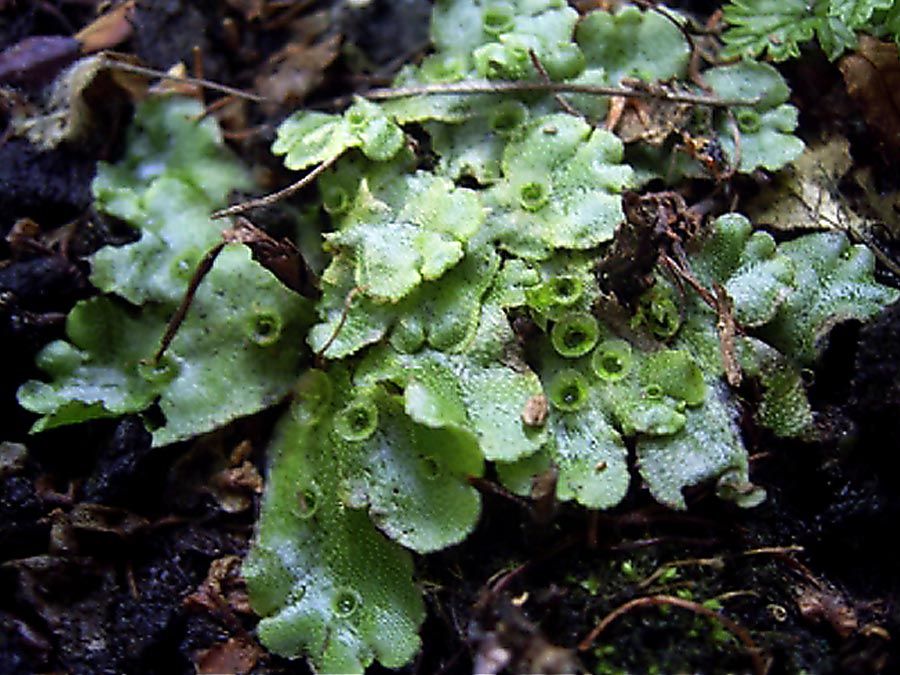
The provided search results describe Marchantia as a genus of liverworts, noting that Marchantia polymorpha is frequently used as a representative species in biology textbooks due to its distinct gametophyte structure, which features air chambers and specialized reproductive organs.1
However, the provided search results do not contain information regarding the specific ways Marchantia is utilized in scientific research or the specific biological characteristics that qualify it as a model organism. Consequently, I cannot provide details on its research applications or its status as a model system based on these sources.
How does Marchantia reproduce, and what unique structures are involved?
Marchantia reproduces through both sexual and asexual means, utilizing specialized structures for each process.
Sexual Reproduction
Marchantia plants are dioecious, meaning male and female reproductive organs are borne on separate plants. These organs are held on umbrella-like, stalked structures that rise above the gametophyte (the sexual plant body).1
- Male structures: These are disk-shaped with scalloped edges.
- Female structures: These feature nine fingerlike projections.
During reproduction, sperm produced by the male structures are splashed by raindrops onto the female structures, where fertilization occurs. This process leads to the development of sporophytes, which are the asexual phase of the plant1.
Asexual Reproduction
Vegetative reproduction is common and occurs through two primary methods:
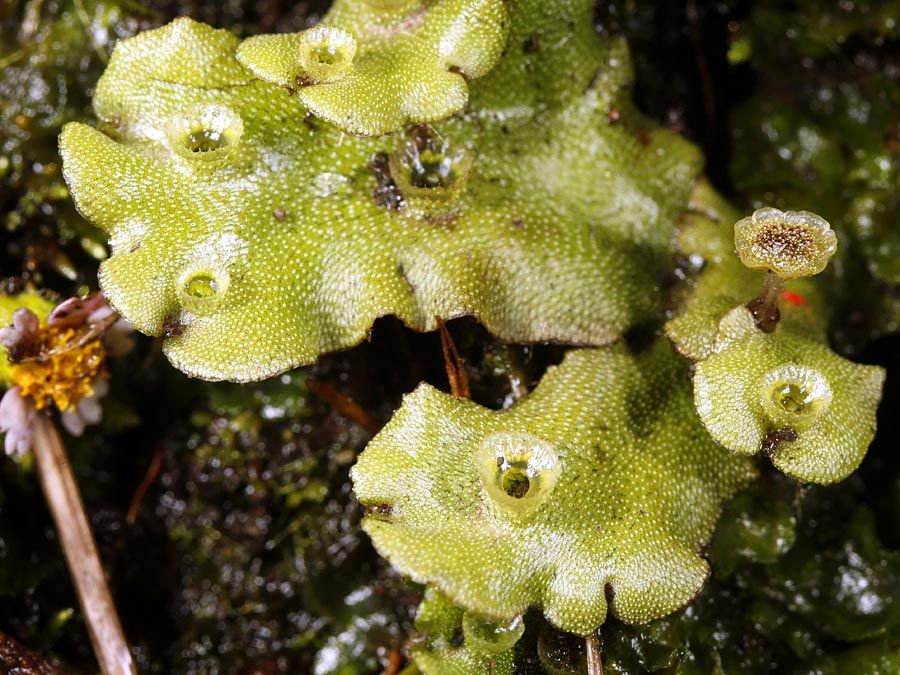
- Gemmae: These are rounded, fringed asexual buds produced by the plant.1
- Fragmentation: Pieces of the plant body can break off and grow into new, independent plants.1
Unique Structural Features
The Marchantia thallus is highly differentiated, which allows it to thrive in various environments. Its upper surface is characterized by diamond-shaped markings, which indicate the presence of internal air chambers. Each chamber features a central pore that facilitates gas exchange, a structure analogous to the leaves of vascular plants.13
What are the main characteristics of Marchantia plants?
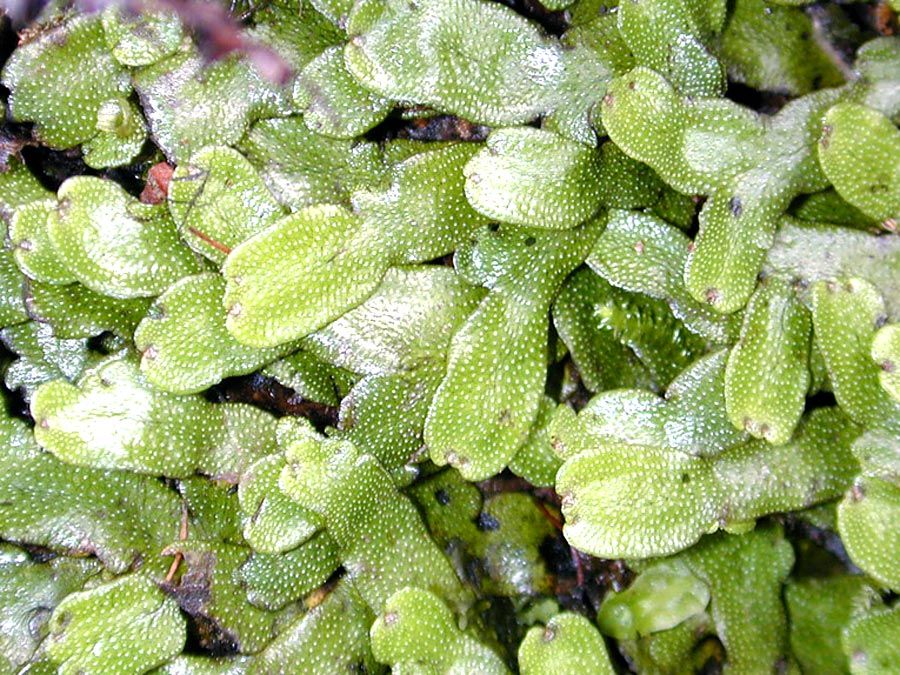
Marchantia is a genus of liverworts characterized by their creeping, ribbonlike growth form. These plants are commonly found in moist environments, such as silty or clay soils, and are particularly prevalent on recently burned land throughout the Northern Hemisphere.1
Key characteristics of Marchantia include:
- Morphology: The dark green gametophytes are branched and ribbonlike, typically measuring about 1.3 cm in width and 5 to 13 cm in length.1
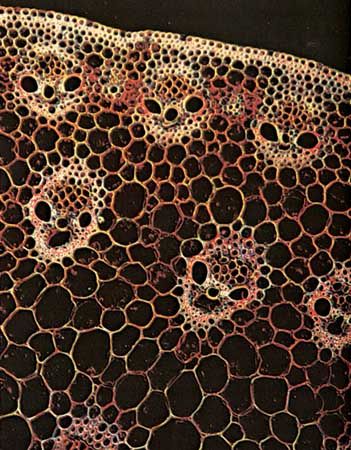
- Internal Structure: Unlike simpler liverworts, Marchantia possesses a complex tissue organization. Their upper surfaces feature distinct diamond-shaped markings, which correspond to internal air chambers that facilitate gas exchange through a central pore.14
- Reproduction: These plants are dioecious, meaning male and female reproductive organs are located on separate plants. These organs are held on elevated, umbrella-like stalks. Asexual reproduction is also common, occurring through the production of gemmae (asexual buds) or via the fragmentation of the plant body.1
What are some of the most common species within the Marchantia genus?
The most well-known species within the Marchantia genus is Marchantia polymorpha. This species is frequently featured in biology textbooks as a representative example of a liverwort due to its distinct morphology and reproductive cycle.1
While the genus Marchantia comprises various liverworts that share common traits—such as the production of gemmae for asexual reproduction and the development of stalked reproductive structures—M. polymorpha remains the primary species cited in scientific literature for study.15
Sources
- Marchantia — Encyclopædia Britannica
- Marchantiales — Merriam-Webster
- bryophyte - Form and function — Encyclopædia Britannica
- bryophyte - General features — Encyclopædia Britannica
- marchantia — Merriam-Webster
Published on · 3 min read