Mesquite
Mesquite refers to a genus of spiny, deep-rooted shrubs or small trees known as Prosopis, which belong to the pea family (Fabaceae). These plants are…
What is mesquite and where does it naturally grow?
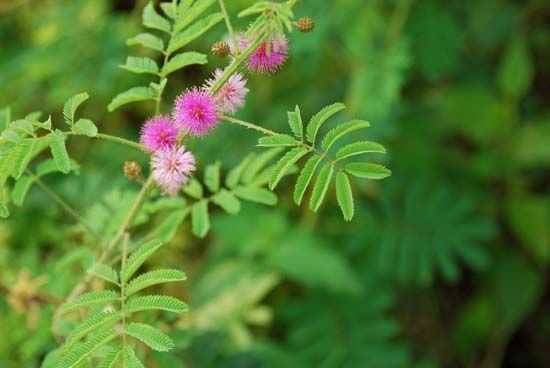
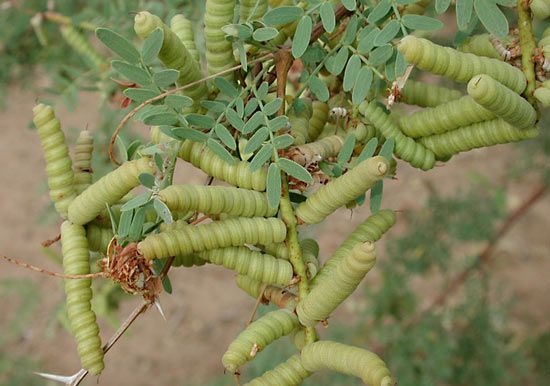
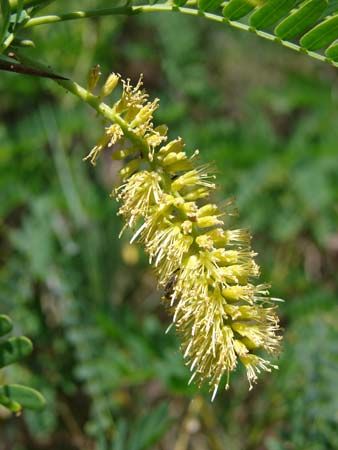
Mesquite refers to a genus of spiny, deep-rooted shrubs or small trees known as Prosopis, which belong to the pea family (Fabaceae). These plants are characterized by their ability to survive in arid environments, with roots that can reach depths of up to 20 meters (70 feet) to access water. They produce compound leaves, yellow catkin flowers, and long, edible beans.1
Regarding their distribution, mesquite naturally grows in regions ranging from South America up through the southwestern United States up through the southwestern United States. While they are often viewed as pests and have been eradicated in some areas, their wood is sometimes utilized for specialty furniture and aromatic firewood. It is worth noting that the city of Mesquite, Texas, was named after these shrubs, which historically covered the local landscape.12
What are the different species of mesquite plants?
It is important to clarify that the term “mesquite” refers to two distinct types of plants. The primary group known as mesquite belongs to the genus Prosopis in the pea family (Fabaceae), which consists of spiny, deep-rooted shrubs or small trees.13
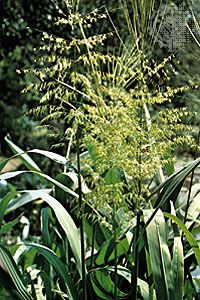
Conversely, “curly mesquite” refers to an entirely different group of plants belonging to the genus Hilaria in the grass family (Poaceae).4
Mesquite (Prosopis)
The genus Prosopis includes various species of shrubs and trees adapted to arid environments. These plants are recognized for their extensive root systems, compound leaves, and yellow catkin flowers that produce long, edible beans.1
Curly Mesquite (Hilaria)
The genus Hilaria comprises about 10 species of grasses native to warm, dry regions of North America. These are significant range grasses, including:4
- Common curly mesquite (Hilaria belangeri): A species highly palatable to livestock when fresh.4
- James’s galleta (H. jamesii): Another notable species within this genus.4
How is mesquite wood used in cooking and furniture making?
Mesquite wood, derived from the Prosopis genus, is highly valued for its distinct properties in both culinary and artisanal applications.
Culinary Use
In cooking, mesquite is widely used as a fuel for grilling and smoking food. It is particularly prized for its intense, earthy, and slightly sweet flavor profile, which it imparts to meats and vegetables. Because it burns hot and produces a strong, aromatic smoke, it is a popular choice for traditional barbecue, especially in the southwestern United States.
Furniture Making
Beyond the kitchen, mesquite wood is sought after for fine woodworking and furniture making. It is a dense, durable hardwood that is resistant to warping and shrinking, making it an excellent material for high-quality tables, chairs, and cabinetry. Artisans often appreciate the wood for its rich, dark color and unique grain patterns, which can include intricate swirls and burls. Due to its hardness, it requires specialized tools to shape, but the resulting pieces are known for their longevity and aesthetic appeal.
How do mesquite trees survive in such dry desert environments?
Mesquite trees (Prosopis) survive in arid desert environments primarily by functioning as phreatophytes. This means they are deep-rooted plants that survive by tapping into permanent groundwater sources that are inaccessible to many other desert species.1
The root systems of these plants are exceptionally extensive, capable of penetrating the soil to depths of as much as 20 meters (70 feet) in their search for water. This physiological adaptation allows them to maintain access to moisture even during prolonged periods of drought, enabling them to thrive in the harsh conditions of the North American Desert and other arid regions.71
Sources
- mesquite — Encyclopædia Britannica
- Mesquite — Encyclopædia Britannica
- Prosopis — Merriam-Webster
- Prosopis — Merriam-Webster
- curly mesquite — Encyclopædia Britannica
- mesquite — Merriam-Webster
- North American Desert - Plant life — Encyclopædia Britannica
Published on · 3 min read