Misiones Mountains
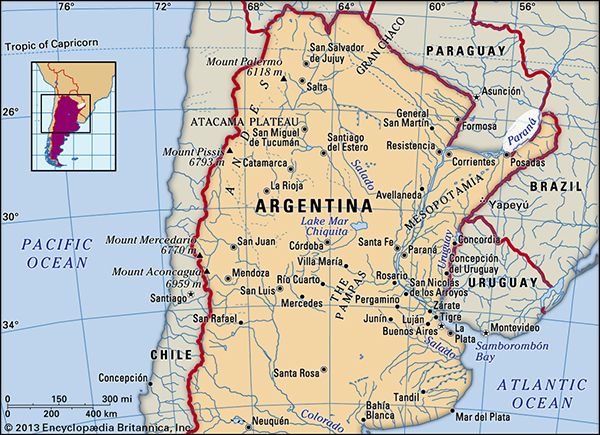
The Misiones Mountains are a low mountain range located in the northeastern region of Argentina. Situated between the Paraná River and the Uruguay River, the…
What is Misiones Mountains?
The Misiones Mountains are a low mountain range located in the northeastern region of Argentina. Situated between the Paraná River and the Uruguay River, the range extends approximately 100 miles (160 km) southwest from the border with Brazil.1
These mountains, which average an elevation of about 1,500 feet (460 metres), are part of the rugged terrain found within the Misiones province. The province itself is characterized by a basalt landscape that serves as a continuation of the Paraná Plateau and features subtropical evergreen rainforests, canyons, and other low ranges, such as the Victoria and Imán mountains.12
What are the famous Iguazú Falls?
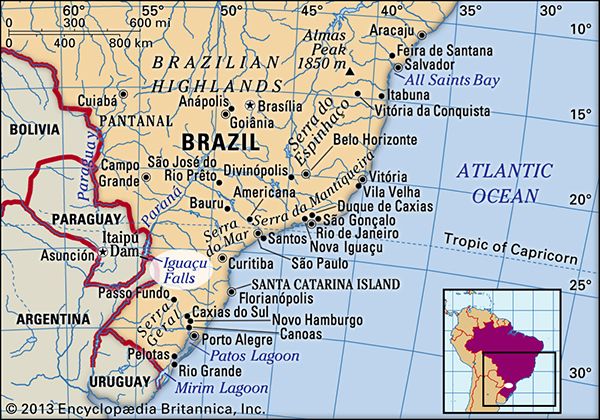
Iguaçu Falls (also spelled Iguazú) is a spectacular series of cataracts located on the Iguaçu River at the border between Argentina and Brazil. The name is derived from a Guaraní word meaning “great water”.3
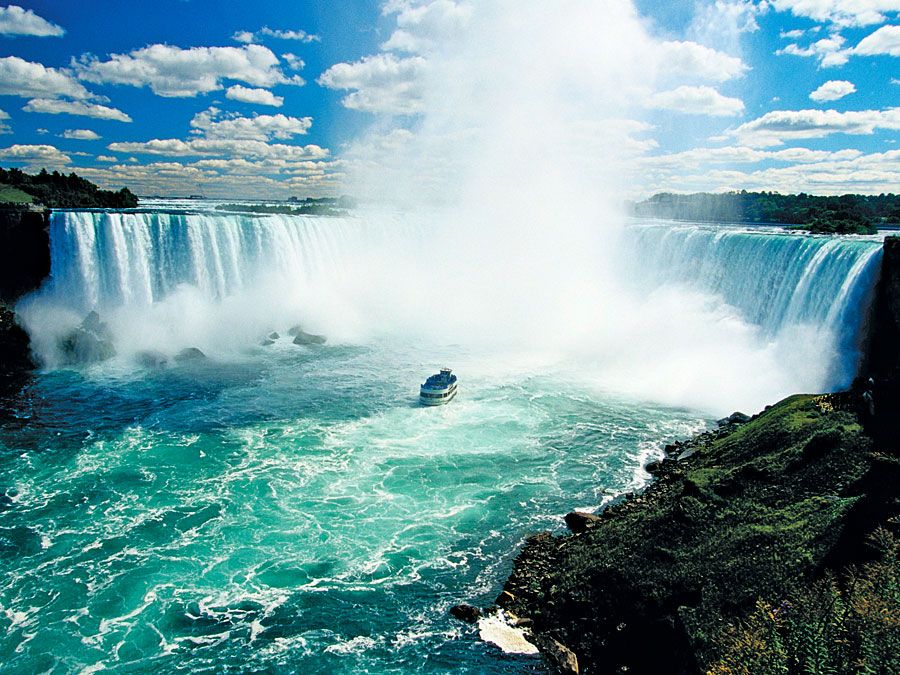
The falls form an elongated, horseshoe-shaped span extending 1.7 miles (2.7 km), making them significantly wider than both Niagara Falls and Victoria Falls. Rocky and wooded islands divide the river into approximately 275 separate waterfalls, which range from 200 to 269 feet (60 to 82 metres) in height. A major portion of the water plunges into a narrow, semicircular chasm known as the Garganta del Diablo (“Devil’s Throat”).3
To preserve the area’s rich biodiversity and scenic beauty, both nations established national parks—Iguazú National Park in Argentina and Iguaçu National Park in Brazil—which are designated UNESCO World Heritage sites3.4
How did the Jesuit missions influence the region?
Beginning in the 17th century, Jesuit missionaries established a network of settlements known as reducciones among the Guaraní people in the Paraná and Uruguay river basins. These missions profoundly influenced the region by serving as autonomous centers for religious conversion, education, agriculture, and manufacturing.27
The missions functioned as a “state within a state,” providing a degree of protection for the Guaraní against exploitation and slave raids from colonial interests in São Paulo. By organizing communal labor and trade, the Jesuits created a unique economic and social structure that persisted for over a century. However, this autonomy, combined with the Jesuits’ defense of Indigenous populations against colonial abuses, generated significant resentment among Spanish and Portuguese landowners and authorities.78910
This political and economic friction, alongside broader anticlerical trends, ultimately led to the expulsion of the Jesuits from Spanish territories in 1767. Following their departure, the mission system collapsed, leaving behind ruins that today serve as significant cultural and historical landmarks, such as those designated as World Heritage sites.782
What is the Paraná Plateau?
The Paraná Plateau is one of the world’s largest lava plateaus, situated primarily in southern Brazil. It is a key component of the Brazilian Highlands and spans across the states of Rio Grande do Sul, São Paulo, Santa Catarina, and Paraná, with geological formations extending into Uruguay, Argentina, and Paraguay.11
Characterized by solidified sheets of lava rock (diabase), the plateau features a landscape dissected by rivers, with flat-topped surfaces between them. Where the diabase is exposed, it weathers into a dark, well-drained soil known as terra roxa. This soil is highly valued for agriculture, particularly for the production of coffee, as well as crops such as corn, cotton, beans, rice, and potatoes.11
The plateau also serves as the source for major waterways, including the Paraná River and the Iguaçu River. The latter tumbles over the edge of the plateau to form the famous Iguaçu Falls.1213
Sources
- Misiones Mountains — Encyclopædia Britannica
- Misiones — Encyclopædia Britannica
- Iguaçu Falls — Encyclopædia Britannica
- South America - Human influences on wildlife — Encyclopædia Britannica
- Iguaçu River — Encyclopædia Britannica
- Guaíra Falls — Encyclopædia Britannica
- Guaraní — Encyclopædia Britannica
- Paraguay - Colonial period — Encyclopædia Britannica
- Jesuit - Suppression of the Jesuits — Encyclopædia Britannica
- Jesuit: Top Questions — Encyclopædia Britannica
- Paraná Plateau — Encyclopædia Britannica
- Paraná River — Encyclopædia Britannica
- Río de la Plata - Resource exploitation — Encyclopædia Britannica
- Río de la Plata - Physiography of the lower Paraná basin — Encyclopædia Britannica
Published on · 3 min read