Mock Privet
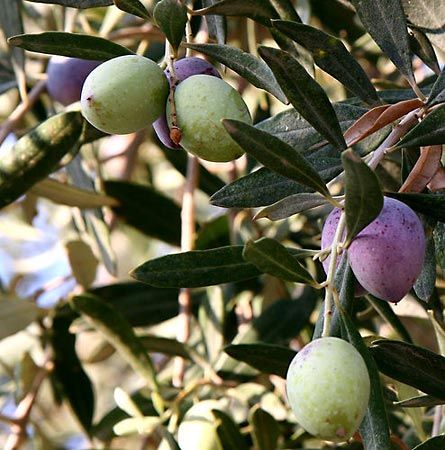
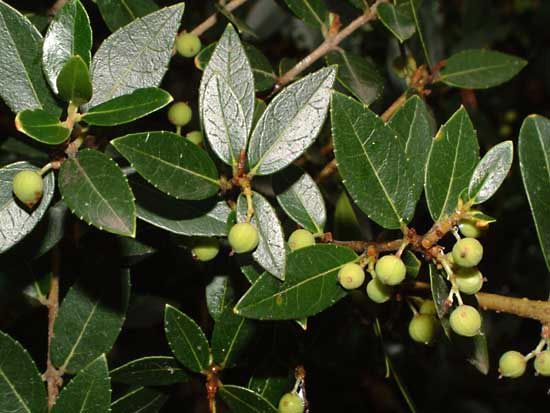
Mock privet refers to any shrub or small tree belonging to the genus Phillyrea within the olive family, Oleaceae.
What is Mock privet?
Mock privet refers to any shrub or small tree belonging to the genus Phillyrea within the olive family, Oleaceae.1
Native to the Mediterranean region, these plants are often cultivated as ornamentals due to their attractive, glossy, evergreen foliage. There are four species in the genus, which vary in size and appearance:1
- P. decora: Grows to approximately 3 meters (10 feet) and features shining leaves, clusters of small white flowers, and fruits that transition from bright red to purple-black as they mature.1
- P. latifolia: Can reach a height of up to 10 meters.1
- P. angustifolia: Typically reaches about 5 meters in height.1
What other plants belong to the olive family?
The olive family (Oleaceae) comprises approximately 24 genera and 615 species of woody plants, including trees, shrubs, and some woody climbers. Beyond the olive tree (Olea europaea) and mock privet (Phillyrea), several other notable plants belong to this family:2
- Ashes (Fraxinus): Valued primarily for their durable hardwood timber.2
- Lilacs (Syringa): Widely cultivated for their fragrant, colorful flowers.2
- Jasmines (Jasminum): Known for their scent, with some species used in perfumes and to flavor teas.2
- Privets (Ligustrum): Frequently used for hedges and ornamental landscaping.2
- Forsythia (Forsythia): Also known as golden bell, popular for its early-season yellow blooms.2
- Tea Olive (Osmanthus): Prized for its fragrance and use in scenting teas.2
- Schrebera: A genus characterized by its woody capsule fruit.2
These plants are distributed globally, excluding the Arctic, and are particularly abundant in tropical and temperate Asia.2
Why are evergreen plants popular in landscaping?
Evergreen plants are highly valued in landscaping primarily because they retain their foliage throughout the year, providing consistent visual interest and structure even when other plants have shed their leaves. By maintaining a balance between evergreen and deciduous species, gardeners can ensure that a landscape remains vibrant and protected across all seasons.45
Beyond their aesthetic appeal, evergreens serve several functional roles in landscape design:
- Wind and Weather Protection: When planted as windbreaks, these trees and shrubs help slow and redirect wind, which can reduce heating and cooling costs for nearby structures and protect soil and plants from wind stress.6
- Screening and Privacy: Their year-round foliage provides effective visual screening, helping to create private outdoor spaces.6
- Ecosystem Services: Evergreens contribute to biodiversity by providing essential food and shelter for wildlife, including migratory birds, throughout the winter months.6
- Microclimate Regulation: They can provide shade and help mitigate temperature extremes, creating more stable environments for other plants and animals.6
What are the characteristics of the Mediterranean climate?
The Mediterranean climate is a major climate type characterized by hot, dry summers and mild, wet winters. It is typically found on the western sides of continents between approximately 30° and 45° latitude.89
Key characteristics include:
- Seasonal Patterns: During summer, the expansion of the subtropical anticyclone brings subsiding air, resulting in clear skies and high temperatures. In winter, this system moves toward the Equator, allowing traveling cyclones to bring precipitation.9
- Temperature: Annual temperature ranges are generally smaller than those in marine west coast climates because these regions are not positioned to receive the coldest polar air.9
- Precipitation: Rainfall is variable and often unpredictable, with annual totals typically ranging from 35 to 90 cm (14 to 35 inches). Coastal locations influenced by cold offshore currents may experience frequent fogs and cooler summer conditions.89
- Regional Variations: While primarily a coastal phenomenon, the climate extends further inland in Europe due to the unique geography of the Mediterranean Sea basin.9
Sources
- Mock privet — Encyclopædia Britannica
- Oleaceae — Encyclopædia Britannica
- Oleaceae — Merriam-Webster
- Evergreen — Encyclopædia Britannica
- Windbreak — Encyclopædia Britannica
- garden and landscape design - Time, climate, and season — Encyclopædia Britannica
- gardening - Trees — Encyclopædia Britannica
- Mediterranean Sea - Climate — Encyclopædia Britannica
- Mediterranean vegetation — Encyclopædia Britannica
- Europe - Mediterranean climate — Encyclopædia Britannica
- Mediterranean climate — Encyclopædia Britannica
Published on · 3 min read