Møn
Sorry, the Britannica knowledge base does not contain specific information regarding the impact of tourism on the economy and local culture of Møn. While the…
How does tourism impact Møn’s economy and local culture?
Sorry, the Britannica knowledge base does not contain specific information regarding the impact of tourism on the economy and local culture of Møn. While the island is noted for its Stone Age burial chambers, historic churches with frescoes, and the Liselund manor, current data on how tourism specifically shapes its local economic or cultural landscape is not available in the provided sources.1
What are the main attractions and natural features of Møn island?
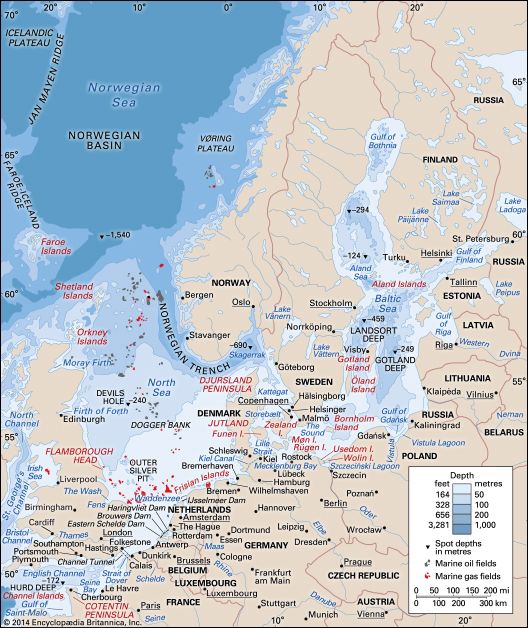
Møn is a Danish island in the Baltic Sea known for its distinct natural beauty and historical sites.
Natural Features
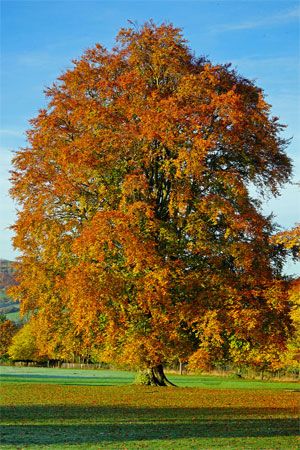
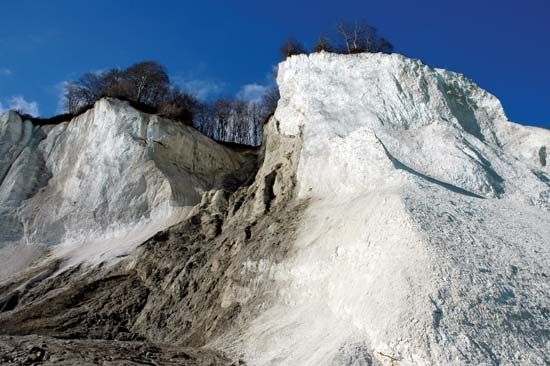
The island is primarily flat, but its east coast is defined by dramatic white chalk cliffs, known as Møns Klint. These cliffs rise over 450 feet (137 meters) and are topped with beech forests, creating a striking contrast to the surrounding landscape. These geological formations are part of the Senonian chalk deposits that also appear at other notable sites in Denmark, such as Stevns Cliff.13
Cultural and Historical Attractions
- Ancient History: The island features several Stone Age burial chambers, reflecting its long history of human settlement.1
- Architecture: Møn is home to many historic churches, with the oldest dating back to approximately 1100. These structures are particularly noted for their preserved frescoes.1
- Stege: The island’s principal town, Stege, served as the site of a royal fortress during the 12th century.1
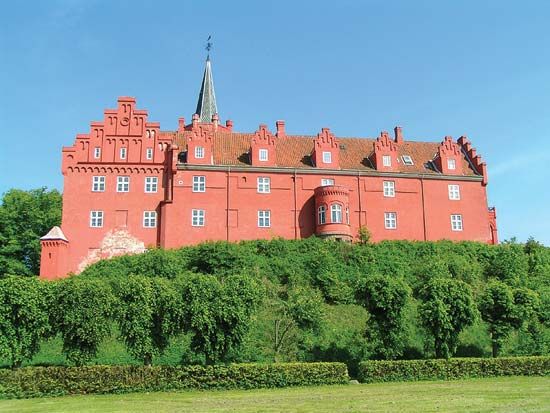
- Liselund: This 1792 manor is a notable small château set within a park, which currently functions as a hotel.1
What unique flora and fauna can be found on Møn island?
Sorry, the Britannica knowledge base does not contain specific information regarding the unique flora and fauna found on Møn island. While the island’s landscape is characterized by beech forests atop its chalk cliffs and fertile clay loam used for agriculture, the provided sources do not detail the specific plant or animal species native to the area.1
What is the history of human settlement on Møn island?
Human settlement on Møn island dates back to the Stone Age, as evidenced by the presence of several ancient burial chambers found on the island.1
Following these early inhabitants, the island developed a medieval presence that remains visible today. By approximately 1100, the construction of numerous churches began, many of which are still standing and feature notable frescoes. By the 12th century, the town of Stege had become a significant administrative and defensive center, serving as the site of a royal fortress. In later centuries, the island’s landscape was further shaped by the establishment of various manors and parks, such as the 1792 Liselund château.1
Sources
- Møn — Encyclopædia Britannica
- Denmark - Services — Encyclopædia Britannica
- Island of Mozambique — Encyclopædia Britannica
- Denmark - Relief — Encyclopædia Britannica
Published on · 2 min read