Monkey Puzzle Tree
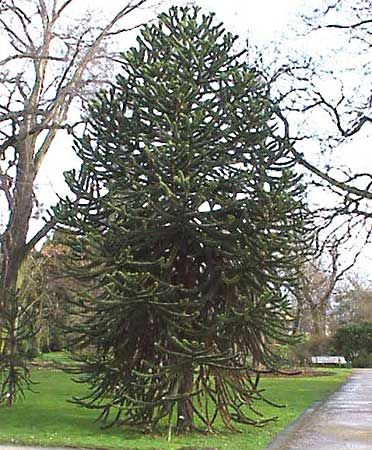
The monkey puzzle tree (Araucaria araucana) is native to the Andes Mountains of South America, specifically within Chile and western Argentina.
Where is the monkey puzzle tree native to, and what is its natural habitat?
The monkey puzzle tree (Araucaria araucana) is native to the Andes Mountains of South America, specifically within Chile and western Argentina.123
Its natural habitat is located within the cordilleras of Chile. While these magnificent evergreen conifers are widely cultivated as ornamentals globally, the species is currently listed as an endangered species by the IUCN Red List of Threatened Species. This status is primarily due to illegal logging and the ongoing fragmentation of its native habitat. In 1976, the tree was declared a natural monument in Chile to provide it with legal protection.312
How long can a monkey puzzle tree live, and how fast does it grow?
The monkey puzzle tree (Araucaria araucana) is a remarkably long-lived species, capable of surviving for more than 700 years.1
Regarding its growth, the tree can reach a significant height of 45–50 metres (150–164 feet) and develop a trunk diameter of approximately 2.5 metres (8 feet). While the provided information details its impressive ultimate size and longevity, it does not specify a precise annual growth rate.1
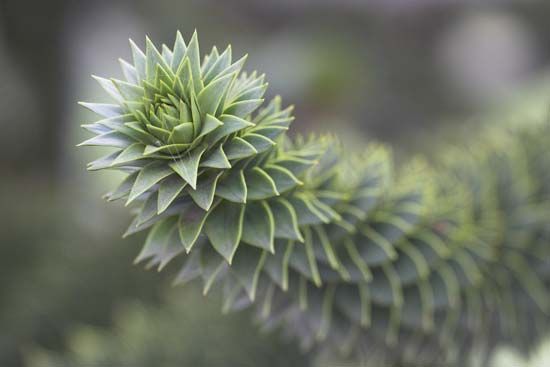
How did the monkey puzzle tree get its unusual name?
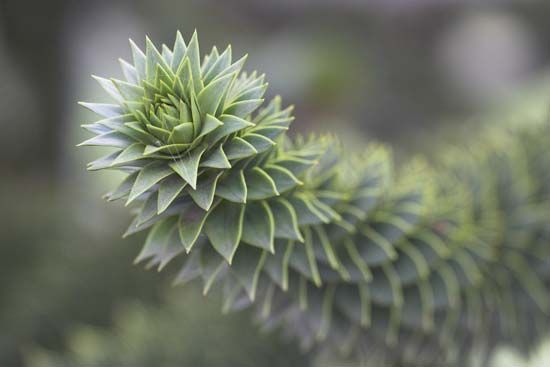
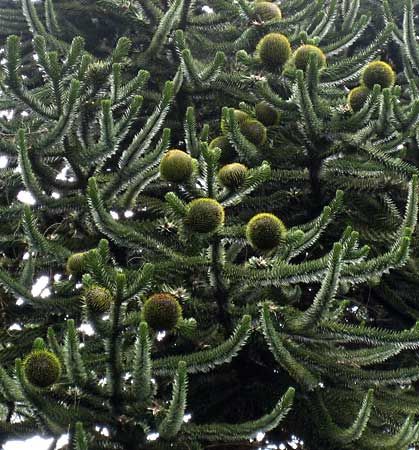
The monkey puzzle tree (Araucaria araucana) earned its distinctive common name due to its unique physical structure. The tree features a dense, spiral arrangement of rigid, needle-pointed leaves along its stiff branches. This prickly, complex network inspired the name, which originated from a comment suggesting that the tree would be a “puzzle” for a monkey to climb.2
While the species is native to the Andes Mountains of South America, it is widely cultivated as an evergreen ornamental conifer elsewhere.42
What conservation efforts are in place to protect the monkey puzzle tree in its native habitat?
To protect the monkey puzzle tree (Araucaria araucana) in its native habitat, the government of Chile declared the species a natural monument in 1976. This designation was established specifically to provide legal protection against logging activities.1
Despite these efforts, the species remains listed as an endangered species by the IUCN Red List of Threatened Species. The ongoing threats to the tree include illegal felling and the fragmentation of its native habitat, which continue to challenge conservation initiatives. Protecting such unique biodiversity is an essential ethical responsibility to ensure the survival of this ancient and ecologically significant conifer for future generations.1
Sources
- monkey puzzle tree — Encyclopædia Britannica
- monkey puzzle — Merriam-Webster
- Araucaria — Encyclopædia Britannica
- araucaria — Merriam-Webster
Published on · 2 min read