Mount Hymettus
Mount Hymettus is a limestone mountain ridge located in central Greece, situated to the east and southeast of Athens. The ridge spans approximately 11 miles…

What is the geographical location and significance of Mount Hymettus in Greece?
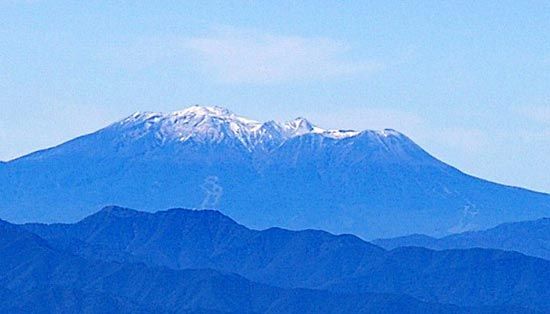
Mount Hymettus is a limestone mountain ridge located in central Greece, situated to the east and southeast of Athens. The ridge spans approximately 11 miles (18 km) and reaches a peak elevation of 3,366 feet (1,026 meters).12
The mountain holds historical and cultural significance dating back to antiquity:
- Natural Resources: It is known for its ancient quarries of Kara marble.1
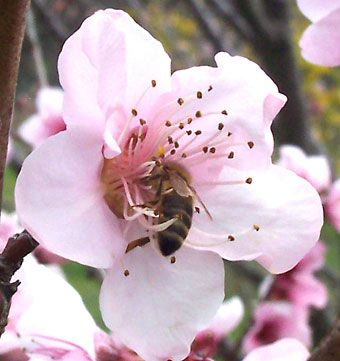
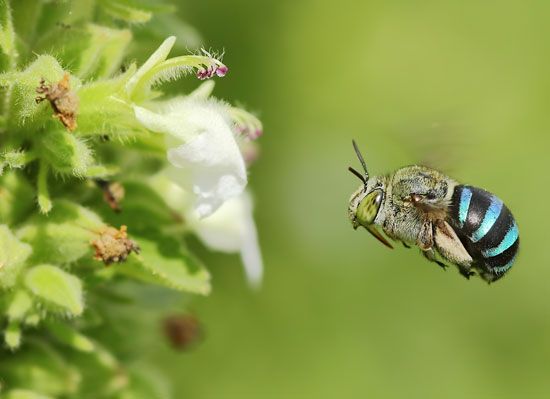
- Beekeeping: The mountain has been famous for its honey since ancient times, a tradition that continues today despite the loss of the specific aromatic plants once described by the Roman poet Ovid.1
- Archaeology and Religion: The area contains numerous ancient tombs and the Kaisariani monastery, which sits on the site of a spring historically celebrated for its curative properties.1
Following World War II, the region underwent an extensive reafforestation program to restore its landscape.1
How has Mount Hymettus influenced the history and culture of Athens?
Mount Hymettus has been a vital feature of the Athenian landscape since antiquity, shaping the region’s economy, culture, and religious life. Its influence is primarily observed through the following contributions:
- Economic Resources: The mountain was a significant source of Kara marble, which was quarried for use in ancient construction. Additionally, the mountain has been renowned for its honey since ancient times, a tradition of beekeeping that persists to the present day.1
- Cultural and Literary Legacy: The mountain’s once-abundant aromatic flora was famously celebrated by the Roman poet Ovid in his work Ars amatoria, cementing its status in classical literature.1
- Religious and Healing Traditions: The site of the Kaisariani monastery is historically significant for a spring that was revered in the ancient world for its supposed curative properties.1
- Archaeological Significance: The area is rich in history, featuring numerous ancient tombs scattered between local villages, reflecting the long-standing human presence in the shadow of the ridge.1
How tall is Mount Hymettus, and how does it compare to other mountains in the Attica region?
Mount Hymettus reaches a peak elevation of 3,366 feet (1,026 meters). Within the Attica region, it is considered a relatively modest elevation compared to other prominent massifs and ranges that define the landscape.1
When compared to other mountains in the vicinity of Athens and the broader Attica region, its height is surpassed by several notable peaks:
- Mount Pentelicus: Located northeast of Athens, its chief summit, Kokkinarás, reaches 3,632 feet (1,107 meters).3
- Mount Cithaeron: Situated on the border of Attica and Boeotia, this range reaches a maximum elevation of 4,623 feet (1,409 meters).45
- Major Massifs: Larger massifs in Central Greece, such as Parnassus, reach significantly higher altitudes, with peaks exceeding 8,000 feet (2,457 meters).6
While Mount Hymettus is a significant ridge east of the Athens basin, it serves as an outlier of the larger mountain systems that characterize the geography of Central Greece.6
Why was Hymettian honey so famous in the ancient world?
Hymettian honey was highly prized in the ancient world primarily due to the unique environment of Mount Hymettus. The mountain was famous for its abundance of aromatic plants and flowers, which provided the essential nectar for bees to produce a distinctively flavored honey.
Because honey served as the primary source of sugar for ancient civilizations, its quality was determined by the specific floral sources from which the nectar was gathered. The aromatic flora of the Hymettian slopes—noted by the Roman poet Ovid—imparted a superior taste and quality that made it a sought-after delicacy. Furthermore, beyond its culinary appeal, honey was valued in antiquity for its medicinal benefits, including its mild antiseptic properties used in treating wounds and its role in various cultural and dietary practices.17
Sources
- Mount Hymettus — Encyclopædia Britannica
- Hymettus — Merriam-Webster
- Central Greece — Encyclopædia Britannica
- Cithaeron — Encyclopædia Britannica
- Mount Pentelicus — Encyclopædia Britannica
- Cithaeron — Merriam-Webster
- honey — Encyclopædia Britannica
- Hymettian — Merriam-Webster
Published on · 3 min read