Nectar
Nectar is a sweet, viscous secretion produced by nectaries (glands) found in plant blossoms, stems, and leaves. It is primarily a watery solution of…
What is Nectar?
Nectar is a sweet, viscous secretion produced by nectaries (glands) found in plant blossoms, stems, and leaves. It is primarily a watery solution of sugars—specifically fructose, glucose, and sucrose—along with trace amounts of proteins, salts, acids, and essential oils.1
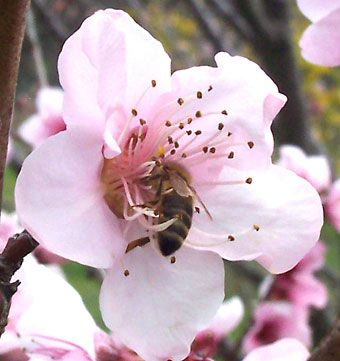
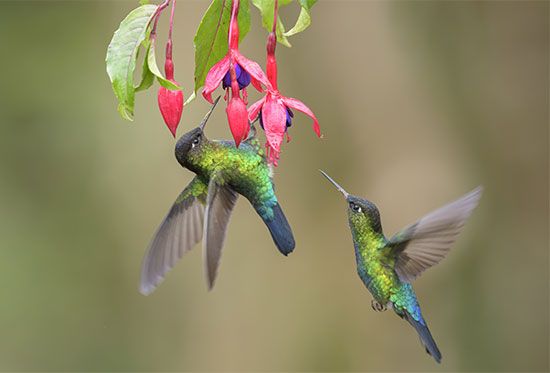
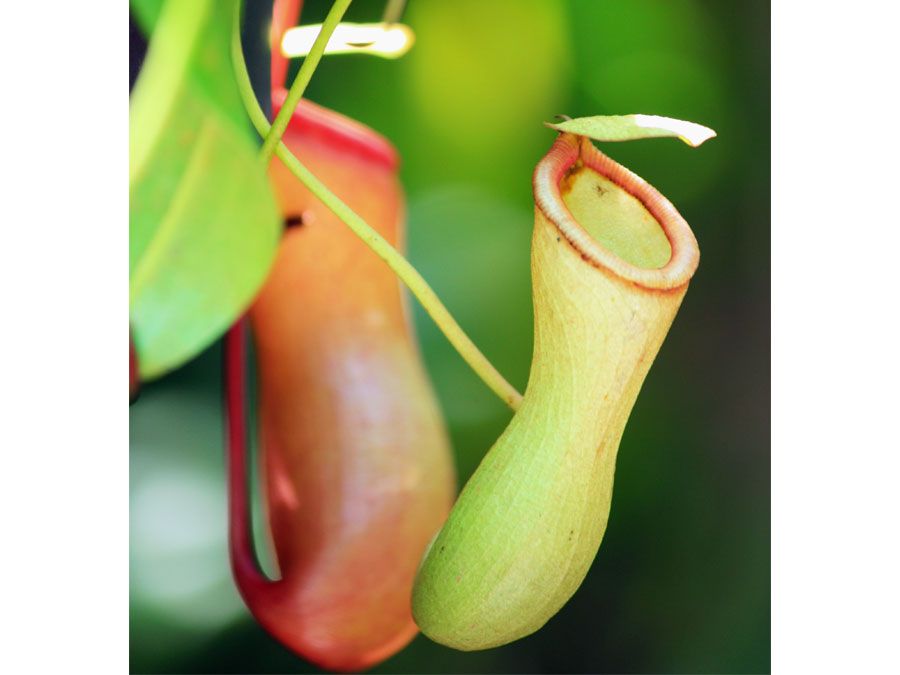
In flowers, nectar serves as a food reward to attract pollinators, facilitating cross-pollination. Beyond its role in reproduction, nectar is the raw material honeybees collect to produce honey through enzymatic breakdown and water evaporation. On vegetative structures, nectar can attract protective insects, such as ants, or lure prey into the traps of pitcher plants. In Greek mythology, the term also refers to the drink of the gods.12
How do bees transform nectar into honey?
The transformation of nectar into honey is a complex process involving chemical breakdown and physical dehydration:
- Initial Processing: Honeybees collect nectar and store it in their “honey stomachs.” During the flight back to the hive, enzymes begin breaking down the nectar’s complex sucrose into simpler sugars, specifically fructose and glucose.3
- Storage and Dehydration: Once inside the hive, the bees deposit the nectar into honeycomb cells. Because raw nectar contains 50 to 80 percent water, the bees must reduce this to approximately 16 to 18 percent to prevent fermentation and spoilage.23
- Evaporation: To remove excess water, the bees rapidly beat their wings over the filled cells, promoting evaporation. Once the honey reaches the desired consistency, the bees seal the cells with beeswax to preserve it as a food source for the colony.3
What are nectar robbers and how do they affect plants?
Nectar robbers are insects or other animals that bypass a flower’s reproductive structures to access its nectar. Instead of entering the flower in a way that facilitates pollination, they often penetrate the exterior of the blossom to reach the reward.1
By “stealing” the nectar without coming into contact with the pollen, these visitors fail to provide the service that plants typically rely on to reproduce. Because the plant produces nectar as a food reward specifically to encourage animals to visit multiple flowers and transfer pollen, nectar robbing effectively cheats the plant out of its reproductive investment.1
How does nectar help plants defend themselves?
Plants utilize nectar as a sophisticated defense mechanism primarily through the use of extrafloral nectaries. Unlike floral nectaries, which are designed to attract pollinators, these glands are located on vegetative structures such as stems, leaves, and petioles.
By secreting nectar in these areas, plants facilitate mutualistic relationships with protective animals, most notably ants. These insects are drawn to the nectar and, in exchange for the food source, defend the plant against herbivores and other threats. For instance:
- Ant Protection: Ants attracted to the extrafloral nectaries of plants like the aspen sunflower and members of the genus Costus actively protect the plant from seed-predating insects and other herbivores.41
- Obligative Mutualism: The bullhorn acacia maintains a highly specialized relationship with acacia ants, which live within the plant’s thorns and ferociously attack any animals or competing plants that threaten their host.4
- Carnivorous Traps: Some carnivorous plants, such as pitcher plants, use nectar as bait to lure prey directly into their digestive traps.41
Sources
- Nectar — Encyclopædia Britannica
- How is honey made? — Encyclopædia Britannica
- Beekeeping - Honeybees — Encyclopædia Britannica
- Nectary — Encyclopædia Britannica
Published on · 3 min read